Enhancing Your Garden Design with the White mullein Plant: A Landscaping Guide
1
White mullein flourishes across various weather conditions, making it a adaptable option for numerous gardens.
2
Low upkeep requirements render White mullein a simple inclusion even for beginner gardeners.
3
Featuring its appealing flowers, White mullein is ideal for boosting your garden's aesthetic charm.
Why Select White Mullein for Your Garden?
Visual Appeal: Enhancing Garden Aesthetics
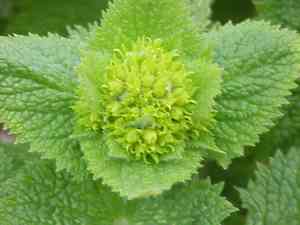
A primary reason to incorporate White mullein into your landscape design is its undeniable visual appeal. With its tall, slender stems adorned with clusters of delicate blossoms, White mullein can serve as a stunning focal point or a complementary background plant. Its unique structure and lovely flowers create a sense of depth and texture in the garden, making it an excellent choice for adding visual interest. Whether you're aiming for a serene, naturalistic garden or a more structured, formal layout, White mullein offers a versatile aesthetic that can blend seamlessly into various design styles.
Resilience: Thriving in Diverse Environments
Resilience is a key characteristic of White mullein, allowing it to flourish in numerous climates and soil conditions. This robust plant is native to various regions and can withstand both hot and cold temperatures, making it a lasting presence in the garden. Whether you're dealing with sandy, clay, or loamy soils, White mullein can adapt and thrive, reducing the need for extensive soil amendments. This adaptability makes it a reliable choice for gardeners who may have less-than-ideal growing conditions but still desire a strong and beautiful plant.
Maintenance: Minimal Care Requirements
For those who prefer low-maintenance gardening, White mullein is an ideal option. Once established, this plant requires minimal attention, freeing up your time to enjoy your garden rather than laboring over it. White mullein is drought-tolerant and can endure periods of neglect, making it suitable for busy gardeners or those new to horticulture. Occasional watering during dry spells and annual pruning to remove spent flowers are typically all that's needed to keep White mullein healthy and vibrant. Its hardiness and ease of care make it a practical choice for any landscape.
Wildlife Benefits: Attracting Pollinators
In addition to its beauty and durability, White mullein is also beneficial for local wildlife, particularly pollinators such as bees, butterflies, and hummingbirds. Its abundant blooms provide a rich source of nectar, supporting these vital creatures and enhancing the ecological health of your garden. By attracting pollinators, White mullein not only helps to sustain local wildlife populations but also promotes the overall productivity and health of your garden by aiding in the pollination of other plants. Adding White mullein to your landscape can create a more vibrant, lively, and ecologically balanced environment.
How to Incorporate White Mullein into Your Landscaping Plan
Initial Considerations: Location and Soil
When planning to add White mullein to your landscape, the first step is to select an appropriate site. White mullein thrives in full sun to partial shade, so choose a spot that receives ample sunlight throughout the day. Although it is adaptable to various soil types, ensuring good drainage will help White mullein establish more quickly. Test your soil and, if necessary, improve its structure by incorporating organic matter like compost. Understanding your garden's specific conditions will allow you to provide the optimal environment for White mullein to flourish.
Design Ideas: Combining White Mullein with Other Plants
Integrating White mullein into your garden design opens up a myriad of creative possibilities. Its tall, upright growth habit makes it perfect for mixed borders, where it can add height and depth. Pair White mullein with lower-growing perennials or ground covers to create a layered effect. Consider combining it with plants that have contrasting foliage colors or textures to enhance visual interest. For a cohesive look, use White mullein alongside other drought-tolerant species to create a harmonious and sustainable garden bed.
Spacing & Planting: Best Practices
Proper spacing is crucial for White mullein to reach its full potential. Plant White mullein with enough room to allow full growth, typically spacing plants about 18-24 inches apart. This spacing promotes good air circulation, reducing the risk of fungal diseases. When planting, dig a hole twice the size of the plant's root ball and mix in some well-rotted compost. Place White mullein at the same depth it was growing in its pot and fill in with soil, pressing down gently to remove air pockets. Water thoroughly to help the plant settle into its new spot.
Long-Term Care: Ensuring Sustained Growth
To ensure White mullein remains a thriving part of your landscape, regular monitoring and minimal maintenance are key. Water young plants regularly until they establish, which usually takes a season. Thereafter, reduce watering frequency, particularly if your area receives adequate rainfall. Mulching around the base can help retain moisture and suppress weeds. Deadhead spent flowers to encourage more blooms and prevent unwanted self-seeding. In the fall, cut back the stems to prepare for the next growing season. With these simple steps, you can enjoy White mullein's beauty for years to come.
Optimizing White Mullein's Impact: Seasonal Considerations
Seasonal Blooming: When Does White Mullein Shine Best?
White mullein typically blooms in late spring to early summer, providing a stunning display that heralds the arrival of warm weather. Mark your calendar to monitor the start of its blooming period to maximize its visual impact. During this time, White mullein becomes a focal point in the garden, drawing attention with its elegant, towering spikes of flowers. Planting White mullein where its golden blooms can catch the eye emphasizes your gardenâs seasonal beauty and highlights the transition from spring to summer.
Preparing for Weather Changes: Tips and Tricks
As a resilient plant, White mullein handles weather changes well, but there are practices to help it thrive. In early spring, prune any damaged or dead growth to encourage new shoots. During prolonged dry periods, provide supplemental watering to keep the plant happy, though established White mullein can tolerate drought. If you live in an area prone to heavy snowfall, a light mulch layer can provide extra protection. Understanding these seasonal care tips ensures that White mullein continues to enhance your garden throughout the year.
Year-round Interests: What to Expect in Off-Seasons?
While White mullein is most noted for its seasonal bloom, its presence continues to offer interest during off-seasons. In the fall, its stalks can add structural interest to the garden before you cut them back. Even in winter, the dried stems can contribute to the textural landscape. Consider leaving a few seed heads for birds to enjoy. By appreciating White mulleinâs different phases throughout the year, you can maintain a dynamic and engaging garden that offers something unique in every season.



