Enhancing Your Garden Design with the California bay laurel Plant: A Landscaping Guide
1
Incorporating California bay laurel into your outdoor space offers distinct aesthetic charm and practical ecological advantages.
2
California bay laurel flourishes in diverse settings, allowing for various uses in landscape planning.
3
Pairing California bay laurel with suitable companion plants can improve garden beauty and overall ecosystem well-being.
Exploring the Visual Appeal of California Bay Laurel
The distinctive visual attributes of California bay laurel
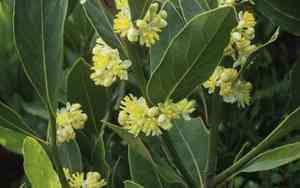
A primary draw of California bay laurel is its unique and engaging look. Featuring shiny, deep green leaves and an aromatic scent, it brings a lush, evergreen quality to any garden. These leaves are not only visually striking but also offer a delightful fragrance, especially when crushed or brushed. Furthermore, the tree's structure, characterized by a rounded, dense canopy, makes it ideal for natural screens or as a standalone specimen.
How California bay laurel's color and shape enhance garden beauty
The rich green shade of California bay laurel's foliage provides a beautiful contrast against lighter plants and flowers, significantly boosting your landscape's overall visual appeal. The tree's form, which can be pruned and shaped to suit various design preferences, offers great flexibility. Whether used as a hedge, a focal point, or a backdrop, California bay laurel delivers consistent color and structure that can anchor the design and unify the garden's look.
Seasonal changes in California bay laurel's appearance
California bay laurel presents intriguing seasonal shifts that enrich your garden throughout the year. In spring, it produces small, creamy-yellow blossoms that add subtle charm. As seasons progress, its leaves retain their evergreen luster while developing small, purple fruits from late summer to fall. These fruits, though understated, add another layer of interest and can attract local wildlife, further enhancing the garden's ecosystem.
Practical Advantages of California Bay Laurel in Landscapes
Environmental benefits linked to California bay laurel
California bay laurel offers numerous environmental advantages, making it a valuable asset for sustainable landscaping. Its dense foliage efficiently captures carbon dioxide, helping to reduce the garden's carbon footprint. Additionally, the leaves of California bay laurel can act as natural air purifiers, trapping dust and pollutants to improve air quality.
California bay laurel's role in local ecosystems
California bay laurel plays a vital role in supporting local ecosystems. The tree provides habitat for various insects, birds, and small mammals, offering them food and shelter. Its flowers attract bees and other pollinators, while its fruits nourish birds and small mammals. By sustaining these creatures, California bay laurel helps maintain your garden's biodiversity, fostering a vibrant and healthy ecosystem.
Promoting biodiversity with California bay laurel
Integrating California bay laurel into your landscape design is a step toward fostering biodiversity. Its presence supports a range of species, contributing to a balanced and resilient garden ecosystem. Moreover, by offering multiple habitat layersâfrom the canopy to the groundâCalifornia bay laurel encourages the coexistence of diverse plant and animal species, which is crucial for a thriving, self-sustaining garden.
Selecting the Ideal Spot for California Bay Laurel in Your Garden
Considerations before planting California bay laurel
Before planting California bay laurel, assess factors like soil type, sunlight exposure, and available space. It prefers well-drained soil and thrives in both full sun and partial shade. Ensure ample room for the tree to reach its full size, both above and below ground, avoiding areas with significant root competition from nearby trees. Evaluate your garden's microclimate to ensure the tree is protected from extreme conditions.
Optimal garden areas for California bay laurel
California bay laurel is adaptable and can be placed in various garden spots depending on your design goals. It works well as a solitary specimen in a lawn, drawing attention with its lush foliage. Alternatively, it can form a natural screen or hedge along property lines or garden edges, providing privacy and a green backdrop. Planting it near patios or pathways allows you to enjoy its fragrance up close.
Creating focal points with California bay laurel
To use California bay laurel as a focal point, position it where it can stand out and be admired. This could be in the center of a garden bed, surrounded by lower-growing plants to emphasize its height and form. Alternatively, place it at the end of a visual line, such as a path's terminus, to draw the eye. Use strategic lighting to enhance its evening appearance, creating a captivating nocturnal silhouette.
Integrating California Bay Laurel with Other Plants
Companion plants that complement California bay laurel
Plants that pair well with California bay laurel include those offering contrasting colors and textures. For instance, lighter-foliaged plants like lavender and sage can create a striking contrast against its dark leaves. Grasses and perennials with different leaf shapes and structures can also add variety and enhance the overall aesthetic. Additionally, consider plants with similar water and soil needs to ensure a harmonious growing environment.
Achieving balance and contrast in planting
Achieving balance and contrast with California bay laurel involves combining different plant heights, colors, and textures. Use California bay laurel as the main structural element and surround it with complementary plants that provide visual interest without overwhelming it. For example, use groundcovers and low-growing perennials at the base, mid-height shrubs around, and occasional accent plants with vibrant blooms to create layers that naturally guide the eye toward the California bay laurel.
Designing for succession planting alongside California bay laurel
Succession planting with California bay laurel ensures your garden remains vibrant and engaging throughout the year. Choose companion plants that bloom at different times to provide continuous interest. Early spring bulbs can be followed by summer perennials and fall-blooming flowers. This staggered approach not only keeps the garden visually appealing but also supports ongoing pollinator activity and maintains a dynamic landscape that evolves with the seasons.



