Enhancing Your Garden Design with the Siberian elm Plant: A Landscaping Guide
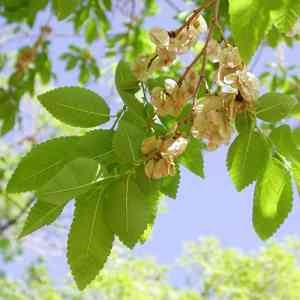
1
Siberian elm is recognized for its resilience and versatility, making it ideal for diverse landscaping requirements.
2
The aesthetic charm of Siberian elm transforms throughout the year, providing continuous attractiveness.
3
Incorporating Siberian elm into your outdoor space can offer ecological advantages, such as enhanced air purity.
Siberian Elm's Role in Contemporary Landscaping
Understanding the growing popularity of Siberian elm in modern gardens
Lately, Siberian elm has emerged as a favored selection among landscape designers and garden enthusiasts. Its robust character and attractive qualities make it a prominent addition to various garden settings. Whether in urban environments or expansive rural areas, Siberian elm is increasingly valued for its adaptability and visual appeal. People are drawn to its resilience and the rich greenery it brings to their outdoor spaces, establishing it as a staple in current landscaping trends.
Brief overview of Siberian elm's characteristics relevant to landscaping
Siberian elm possesses several traits that render it perfect for landscaping. It typically reaches considerable heights, offering ample shade and adding vertical interest to garden layouts. The tree's leaves, which change hue with the seasons, introduce a dynamic visual component to any garden. Its root system is robust and enduring, enabling it to flourish in diverse soil types and weather conditions. These attributes collectively make Siberian elm a practical and beautiful enhancement to any landscape.
The Aesthetic Benefits of Siberian Elm
How Siberian elm's appearance complements different landscape styles
Siberian elm can effortlessly integrate into various landscape designs, from structured gardens to relaxed and naturalistic schemes. Its tall and graceful form provides a dignified backdrop in classic garden arrangements, while its foliage's organic texture enhances more informal, woodland-themed areas. Siberian elm also pairs beautifully with a range of flowering shrubs and perennials, creating harmonious garden scenes that appeal to both traditional and modern tastes.
Seasonal visual impacts of Siberian elm in a garden setting
One of the most captivating aspects of Siberian elm is its seasonal transformation. In spring and summer, its lush, green leaves add vitality and life to the garden. By autumn, the foliage often shifts to a striking yellow, offering a warm and inviting visual display. Even in winter, Siberian elm stands out with its intricate branch patterns against a snowy backdrop, ensuring the garden remains engaging and beautiful throughout the year.
Practical Advantages of Using Siberian Elm
Discussing the hardiness and adaptability of Siberian elm
Siberian elm is renowned for its resilience and versatility, making it an excellent choice for various climates and soil conditions. It can endure harsh winters and hot summers, and it thrives in both dry and moist soils. This durability makes it an ideal plant for gardeners seeking to add reliable and low-maintenance vegetation to their landscapes. Additionally, its resistance to pests and diseases further enhances its appeal as a dependable landscape feature.
Environmental benefits of integrating Siberian elm into your landscape
Incorporating Siberian elm into your landscape can yield significant environmental advantages. This tree helps improve air quality by absorbing pollutants and generating oxygen. Its extensive root system aids in soil stabilization, preventing erosion, and supporting the soil's overall health. Furthermore, Siberian elm provides habitat and sustenance for various wildlife, fostering biodiversity in your garden. These ecological benefits make Siberian elm not just a visually pleasing addition but also a vital component of a sustainable landscape.
Incorporating Siberian Elm in Your Landscape Design
Tips for placement and grouping in the landscape
When integrating Siberian elm into your landscape design, consider its mature size and form to ensure appropriate positioning. It's best utilized as a solitary specimen or in strategic clusters to establish focal points. Planting Siberian elm along property boundaries can offer privacy and windbreaks, while placing it in the background of garden beds can help anchor the design. Ensure Siberian elm has ample room to grow without overcrowding, allowing its inherent beauty to flourish.
Pairing Siberian elm with other plants for maximum effect
To maximize the visual impact of Siberian elm, combine it with complementary plants that accentuate its features. Underplanting with shade-tolerant perennials, such as hostas, and ferns can create a lush, multi-layered appearance. Adding vibrant flowering shrubs around its base can highlight its trunk and provide seasonal interest. Mixing Siberian elm with evergreens ensures year-round structure and color in the garden. Consider the foliage, bloom time, and growth habits of companion plants to create a cohesive and dynamic landscape.
Maintaining Siberian Elm in Your Landscape
Basic maintenance tips for long-term health and aesthetics
Maintaining Siberian elm requires consistent, yet straightforward care to ensure its vitality and beauty. Regular irrigation, especially during dry periods, helps sustain its growth. Mulching around the base helps retain soil moisture and suppress weeds. Pruning is essential to remove dead or damaged branches and to shape the tree as needed. Fertilizing in early spring can provide a nutrient boost, promoting vibrant foliage and overall health.
Addressing common challenges in growing Siberian elm
Despite its hardiness, Siberian elm can sometimes encounter challenges such as pests and diseases. Regularly inspect the tree for signs of infestation or illness, such as discolored leaves or unusual growths. If detected early, problems can often be managed with appropriate treatments. Ensuring proper air circulation through strategic pruning can help prevent fungal issues. Keep the area around Siberian elm free of debris and fallen leaves to minimize the risk of pests.



