Enhancing Your Garden Design with the Chinese elm Plant: A Landscaping Guide
1
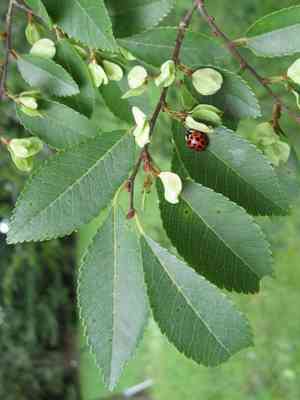
The Chinese elm enhances any outdoor space with its distinctive look and attractive leaves and form.
2
Selecting an appropriate site and complementary flora can optimize the aesthetic contribution of the Chinese elm.
3
Consistent seasonal attention and upkeep guarantee the Chinese elm remains vibrant and appealing throughout the year.
Introducing Chinese Elm in Landscape Design
Appreciating the Visual Charm of Chinese Elm
The Chinese elm (often called Chinese elm) makes a striking addition to any outdoor space. Its unique, peeling bark and delicate, shiny leaves offer year-round visual appeal. This tree showcases a beautiful spectrum of colors throughout the seasons, making it a dynamic focal point in gardens or yards. Its attractive canopy shape also creates an inviting atmosphere, suitable for both expansive and compact areas.
Advantages of Selecting Chinese Elm for Your Garden or Yard
Choosing Chinese elm for your landscape offers numerous benefits. Firstly, Chinese elm is renowned for its hardiness and ability to adapt to various soil types and climate conditions, making it an excellent choice for diverse environments. Furthermore, it provides ample shade and can enhance privacy, improving the overall comfort of outdoor living spaces. Additionally, the relatively low upkeep requirements of Chinese elm make it a practical option for busy homeowners who still desire a visually pleasing garden.
Optimal Placement for Chinese Elm's Impact
Best Spots for Planting Chinese Elm in Your Landscape
To maximize Chinese elm's aesthetic and practical qualities, it's crucial to plant it in ideal locations. Consider placing Chinese elm where it can serve as a natural centerpiece, such as near patios, pathways, or garden entrances. Moreover, positioning it in areas where privacy is desired â like along property lines or close to windows â can leverage its dense foliage.
Considerations When Choosing Planting Sites
When deciding where to plant Chinese elm, several factors require attention. First, assess the amount of sunlight the location receives, as Chinese elm thrives in full sun to partial shade. Also, ensure the area has well-draining soil to prevent waterlogging, which can harm the tree. Space is another vital factor â allow ample room for Chinese elm's potential growth, considering both its height and canopy spread.
Pairing Chinese Elm with Other Plants
Choosing Companion Plants That Flourish Alongside Chinese Elm
Combining Chinese elm with appropriate companion plants can elevate the overall landscape. Select plants that share similar sunlight and soil needs. For instance, shrubs like azaleas and perennials such as hostas complement Chinese elm well, as they thrive in partial shade and add textural and color contrast to the yard.
Achieving Visual Harmony with Diverse Plant Species
To create a unified look, balance the visual elements â consider the colors, textures, and sizes of companion plants in relation to Chinese elm. Incorporate a mix of evergreen and deciduous plants to ensure year-round interest. Furthermore, layering plant heights can add depth, with taller plants like Chinese elm at the back and progressively shorter plants towards the front.
Seasonal Aspects of Chinese Elm
What to Expect from Chinese Elm Throughout the Year
Understanding Chinese elm's behavior across the seasons can aid in landscape planning. In spring, Chinese elm bursts with vibrant green leaves, adding freshness. By summer, it offers significant shade, making outdoor areas cooler. During autumn, Chinese elm undergoes a dramatic transformation with leaves turning yellow to reddish-brown. In winter, the tree's exfoliating bark stands out, providing intriguing visual interest even during dormancy.
Preparing Chinese Elm for Seasonal Transitions
To maintain Chinese elm's health through changing seasons, prepare adequately. In spring and summer, ensure consistent watering, especially during dry periods. Autumn is the time to prune dead or diseased branches and apply mulch around the base to conserve moisture. In winter, protect young trees from harsh weather with a windbreak, and monitor for any signs of frost damage.
Maintaining Chinese Elm's Aesthetic Appeal
Regular Practices to Keep Chinese Elm Looking Its Best
Routine maintenance ensures Chinese elm remains in peak condition. Prune annually to remove any crossing branches or undesirable growth, promoting a healthy structure. Regularly check for pests or diseases, and take immediate action if issues are found. Additionally, apply a balanced fertilizer in early spring to provide essential nutrients for growth.
Quick Tips for Instant Appearance Improvements
A few swift actions can instantly enhance Chinese elm's appearance. Rake and remove fallen leaves to maintain a tidy look. Water deeply and consistently during dry spells to keep foliage lush. Lastly, add a fresh layer of mulch to improve the treeâs base aesthetically and functionally by retaining soil moisture.



