Enhancing Your Garden Design with the European white elm Plant: A Landscaping Guide
1
The European white elm flourishes in adequately drained soil and abundant sunlight.
2
The European white elm pairs well with diverse plant types in modern landscape designs.
3
Seasonal maintenance and location changes are vital for preserving the European white elm's well-being.
Introducing European white elm in Contemporary Garden Design
Exploring the Visual Appeal of European white elm
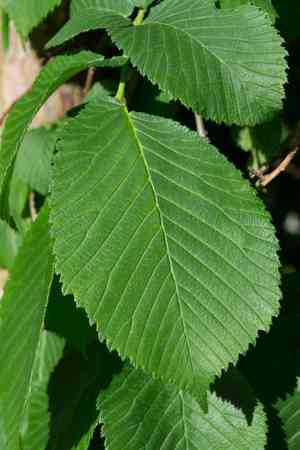
In landscaping, visual elements are key, and European white elm stands out with its distinct look. The tree features an elegant form and dense foliage, offering an attractive canopy. Its bark provides textural interest, and its vibrant green leaves can add sophistication to any area. Whether aiming for a picturesque garden or a refined urban space, European white elm can serve as the ideal focal point.
How European white elm Integrates into Modern Landscape Concepts
Incorporating European white elm into modern landscapes is gaining popularity due to its seamless integration with various design themes. Its classic yet adaptable nature allows it to complement minimalist designs, rustic settings, and even contemporary geometric patterns. The treeâs versatility enables it to be a central feature or a supportive element, enhancing the overall aesthetic harmony of your space.
The Popularity of European white elm in City and Suburban Environments
In both urban and suburban settings, European white elm is becoming favored due to its robust adaptability and minimal maintenance needs. Its resilient nature allows it to flourish in diverse climates and conditions, making it a preferred choice for city planners and homeowners alike. Furthermore, its capacity to provide ample shade and improve air quality makes it an ideal addition to densely populated urban areas or expansive suburban gardens.
Selecting the Ideal Location for European white elm
Factors to Consider for Optimal Placement
Choosing the right spot for European white elm in your landscape requires evaluating several elements. First, assess the treeâs mature size to ensure it has sufficient room to grow without obstruction. Consider the treeâs root system and its potential impact on nearby structures or other plants. Additionally, factor in the local climate and how it will influence the tree's growth and health. Proper placement not only ensures the treeâs longevity but also maximizes its visual impact.
The Significance of Sunlight and Soil Quality for European white elm
European white elm thrives best in well-drained soil and requires abundant sunlight to flourish. When selecting a site, choose an area that receives full sun for most of the day to promote vigorous growth. The soil should be fertile but capable of draining effectively to prevent waterlogging. Consider testing and amending your soil if necessary to create optimal conditions for European white elm's roots. Adequate sunlight and soil conditions are crucial for your tree to reach its full potential.
Combining European white elm with Other Plants
Complementary Plant Varieties for European white elm
Pairing European white elm with other plant species can create a dynamic and visually appealing landscape. Consider plants that thrive in similar conditions, such as perennials, shrubs, and ground covers that prefer well-drained soil and full sunlight. Ornamental grasses, vibrant perennials like daylilies, or even other shade-tolerant trees can create a layered effect that enhances the beauty of European white elm while promoting biodiversity in your garden.
Design Recommendations for Achieving a Harmonious Arrangement
To create harmony in your landscape, plan a balanced arrangement that considers scale, texture, and color. Use contrasting yet complementary plants to highlight European white elm's unique features while ensuring a seamless transition throughout the garden. Maintain a proportionate scale by considering the mature sizes of all plants involved. Connecting different sections of your garden with pathways or focal points can unify the design, making your landscape both functional and beautiful.
Seasonal Considerations for European white elm
Adjusting Care and Placement As Seasons Change
Adapting your care routine according to the seasons is crucial for maintaining European white elm's health year-round. During spring and summer, focus on providing adequate water but avoid overwatering. Mulching can help retain soil moisture and regulate temperature. In autumn, prepare the tree for winter by applying a slow-release fertilizer and protecting the base with additional mulch to insulate the roots. Seasonal adjustments ensure that European white elm remains healthy and vibrant throughout the year.
The Impact of Climate and Weather Patterns on European white elm
Understanding your local climate and weather patterns can help you better manage the care needs of European white elm. For instance, regions with harsh winters may require added protection, such as windbreaks or burlap wraps, to shield the tree from extreme cold. Conversely, in hot and dry climates, ensuring that European white elm receives sufficient water and possibly providing some shade during peak heat can prevent stress. Monitoring and adjusting care in response to climate variations can help your tree thrive regardless of environmental challenges.



