Enhancing Your Garden Design with the Wych elm Plant: A Landscaping Guide
1
Wych elm presents a distinctive visual charm due to its characteristic leaf form and feel.
2
Integrating Wych elm into your garden plan can complement diverse aesthetics, ranging from classic to contemporary and natural forest motifs.
3
Appropriate tending and upkeep are crucial for preserving the vitality and attractiveness of Wych elm within your outdoor space.
Exploring the Distinctive Characteristics of Wych Elm
Uncovering the Growth Patterns of Wych Elm
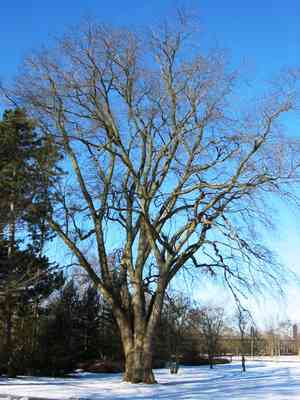
Wych elm is recognized for its vigorous growth, typically reaching impressive heights, making it a magnificent focal point in any landscape. The tree develops a broad, spreading canopy that offers ample shade, making it an excellent choice for expansive gardens or as a solitary specimen. Its growth rate is relatively quick, allowing gardeners to appreciate its full splendor within a few years of planting. Understanding these growth habits is vital for positioning Wych elm correctly within your outdoor space.
Visual Appeal: Foliage Color and Texture
A prominent feature of Wych elm is its unique leaf color and texture. The leaves are generally dark green with a coarse feel, adding a distinct tactile element to your garden. This visual charm extends beyond color to how light interacts with the foliage, creating an ever-changing and dynamic landscape. Whether you're cultivating a lush, green sanctuary or a more structured garden, Wych elm's leaves can provide an ideal backdrop or central element.
Seasonal Transformations and Their Landscape Impact
Wych elm undergoes beautiful changes with the shifting seasons, each bringing a new aesthetic to your garden. In spring and summer, its vibrant green foliage creates a lively, energetic scene. As autumn approaches, the leaves can transform into stunning shades of yellow and brown, offering a warm, rustic appearance. Comprehending how Wych elm evolves with the seasons can help you design a garden that is visually appealing throughout the year, ensuring your landscape is never dull or monotonous.
Integrating Wych Elm into Various Landscape Designs
Optimal Practices for Classic Garden Environments
In traditional garden settings, Wych elm can serve as a grand focal point or as part of a larger tree canopy. Combine it with classic garden elements such as neatly trimmed hedges, rose bushes, and perennial flowers to achieve a timeless aesthetic. The key is to balance the size and form of Wych elm with other garden features to maintain a cohesive design. Consider planting shade-tolerant ground covers or spring bulbs beneath to maximize visual interest under the tree's canopy.
Contemporary and Minimalist Approaches with Wych Elm
For those who favor a modern or minimalist landscape design, Wych elm can still play a crucial role. Its clean, strong lines and bold structure make it an excellent choice for creating a contemporary garden. Utilize Wych elm as a statement piece, planted alone in a minimalist gravel or stone bed, to emphasize its natural beauty. Alternatively, incorporate it into a sleek, geometric layout where its organic form contrasts with the sharp lines of modern garden architecture.
Crafting Naturalistic and Woodland Settings
If you're aiming for a naturalistic or woodland garden, Wych elm is an ideal fit. Its robust, untamed growth and natural appearance blend seamlessly into more informal, wild garden designs. Plant Wych elm among native shrubs, ferns, and wildflowers to evoke a woodland atmosphere. This approach not only boosts biodiversity but also provides a tranquil, retreat-like environment in your backyard. Ensure pathways and clearings are included to make the space inviting and accessible.
Addressing Common Issues When Designing with Wych Elm
Space Requirements and Root System Management
Given Wych elm's potential size, spatial needs are an important consideration. The tree's roots can spread extensively, sometimes affecting nearby structures or competing with other plants for nutrients. To manage its growth, allocate ample space for root expansion and consider root barriers if planting near patios or walkways. Regular inspection and pruning of roots can help prevent damage and ensure healthy development.
Light and Moisture Requirements for Optimal Development
Wych elm thrives in well-lit environments with abundant sun exposure. However, it can tolerate partial shade, which makes it adaptable for various garden locations. Regarding water, Wych elm prefers moist, well-drained soil. Consistent watering during dry spells, especially in the tree's early years, will encourage strong growth and vigor. Applying a mulch layer can help retain soil moisture and shield the roots from extreme temperatures.
Managing Pests and Diseases Commonly Affecting Wych Elm
Like any plant, Wych elm can be vulnerable to pests and diseases. Common problems include aphids, beetles, and fungal infections such as Dutch elm disease. Regular monitoring and prompt action are crucial for managing these issues. Use organic or chemical treatments as appropriate, and practice good garden hygiene by clearing fallen leaves and debris. If a severe infestation occurs, consulting with a professional arborist may be necessary to save the tree.
Long-Term Care and Maintenance Advice for Wych Elm
Regular Activities to Keep Wych Elm Flourishing
Routine care for Wych elm involves consistent watering, particularly during dry periods, and mulching to maintain soil moisture and temperature. Inspect the tree regularly for signs of pests or disease, and take swift action if any problems are detected. Additionally, removing any dead or damaged wood can prevent disease spread and promote healthy new growth.
Seasonal Pruning and Garden Cleanup Guidelines
Pruning is vital for maintaining the shape and health of Wych elm. Conduct seasonal pruning in late winter or early spring before new growth commences. Focus on removing any crossing branches, weak limbs, or diseased wood. Cleaning up fallen leaves and debris, especially in autumn, helps to prevent disease and keeps the garden looking neat.
Fertilization: Enriching the Soil for Enhanced Growth
Wych elm benefits from a balanced fertilization program that supplies the necessary nutrients for vigorous growth. Apply a slow-release fertilizer in early spring to support new growth and again in late summer if required. Soil testing can help determine specific nutrient needs and guide your fertilization strategy. Proper fertilization not only boosts Wych elm's health but also enhances its resistance to pests and diseases.



