Enhancing Your Garden Design with the Winged elm Plant: A Landscaping Guide
1
Cultivate Winged elm in soil that drains effectively for best development
2
Consistent trimming aids in preserving Winged elm's visual attractiveness
3
Position Winged elm where it gets sufficient sun exposure yet is protected from powerful gusts
Grasping the Function of Winged Elm in Landscape Planning
Aesthetic appeal offered by Winged elm
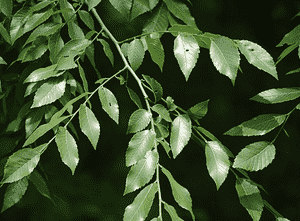
A primary justification for incorporating Winged elm into your landscape scheme is its distinct visual charm. Winged elm showcases an elaborate branching structure and characteristic winged stems, providing a textured and lively appearance. This can establish Winged elm as a striking element in any garden. Its leaves transition through beautiful shades of green in spring and summer, shifting to vibrant hues in autumn. Such attributes not only enhance your garden's beauty but also establish a focal point, attracting attention and adding intrigue to your outdoor area.
Ideal environments for planting Winged elm
For Winged elm to flourish, it's essential to plant it in an optimal setting. This adaptable tree can adjust to various conditions, but it thrives best in well-drained soil and locations receiving ample sunlight. While Winged elm can endure some shade, full sun exposure is perfect for its development. It also exhibits moderate drought tolerance once established but benefits from consistent watering during dry spells. Understanding these conditions will help you choose the best spot in your garden, ensuring Winged elm grows robust and healthy.
Choosing the Perfect Spot for Winged elm
Factors to consider prior to planting Winged elm
When selecting the ideal location for Winged elm, several aspects should be taken into account. Firstly, assess the available space, as Winged elm can grow quite large and will require room to expand. Furthermore, evaluate how the tree will integrate into your landscape's overall design. Consider its proximity to other plants and structures, ensuring it doesn't overshadow or compete with other elements. Lastly, think about practical considerations such as underground utilities and overhead wires, which might influence planting decisions.
How to assess sunlight and soil conditions
Evaluating sunlight and soil conditions is crucial for the successful growth of Winged elm. Begin by observing the daily sunlight patterns in your garden to pinpoint areas that receive the most light. Winged elm prefers full sun but can adapt to partial shade. Soil quality is equally important; ensure it drains well by conducting a simple percolation test. Dig a hole, fill it with water, and observe how long it takes to drain. For Winged elm, the soil should ideally drain within a few hours, preventing waterlogging.
Integrating Winged elm with Other Flora
Companion plants that pair well with Winged elm
Pairing Winged elm with suitable companion plants can elevate the overall beauty and vitality of your landscape. Seek out plants that complement the size, form, and color of Winged elm. Examples include shrubs like viburnum, which offers contrasting foliage and blooms, or ground covers that thrive beneath its canopy, such as hostas. These companion plants not only add visual diversity but also contribute to a balanced ecosystem, encouraging beneficial insects and promoting soil health.
Design approaches for a harmonious plant arrangement
Achieving a harmonious plant arrangement requires careful planning and design strategies. Start by considering the height and spread of Winged elm, and plan accordingly to avoid overcrowding. Utilize Winged elm as a backdrop for smaller, colorful plants to create visual layers. Group plants with similar water and sunlight requirements together to simplify upkeep. Additionally, experiment with textures and colors to add depth and interest. Mixing evergreen and deciduous plants can ensure your garden remains appealing throughout the year.
Maintaining Winged elm's Health in Landscapes
Routine care advice for Winged elm
Regular maintenance is vital for keeping Winged elm healthy and vibrant. Pruning is essential to maintain its shape and remove any dead or diseased branches. This should be performed annually, ideally in late winter or early spring. Mulching around the base can help retain moisture and suppress weeds. Also, ensure that Winged elm receives adequate water, especially during dry periods, but avoid overwatering to prevent root rot. Fertilize once a year with a balanced fertilizer to support growth.
Seasonal care considerations
Different seasons necessitate distinct care approaches for Winged elm. In spring, focus on new growth and ensure it receives sufficient water. Summer may require additional watering and pest monitoring. Fall is the time to prepare Winged elm for winter by applying mulch and occasionally watering it during dry spells. Winter care involves protecting young trees from harsh weather and reducing watering. By adjusting your care routine to seasonal changes, you can ensure that Winged elm remains healthy throughout the year.
Highlighting Winged elm as a Central Feature in Garden Design
Creating visual appeal with Winged elm's distinctive characteristics
Winged elm boasts several unique attributes that can generate visual interest in your garden. Its winged stems and intricate branch patterns are prominent features. Leverage these characteristics by positioning Winged elm where it can be easily observed and appreciated, such as near pathways or as a central element in your yard. The seasonal color shifts of Winged elm's foliage also add dynamic beauty, ensuring it remains a focal point throughout the year.
Tips for effectively showcasing Winged elm in your yard
To effectively highlight Winged elm, consider its placement carefully. Position it in a way that draws attention and complements other elements in your garden. Lighting can also play a significant role; use garden lights to accentuate its unique features at night. Additionally, surrounding Winged elm with complementary plants and hardscaping elements like benches or stones can frame the tree beautifully, making it a standout feature in your landscape.



