Enhancing Your Garden Design with the Mountain hemlock Plant: A Landscaping Guide
1
The mountain hemlock flourishes in chilly, damp settings and is ideal for garden design in moderate climates.
2
Mountain hemlock offers continuous aesthetic appeal, its look transforming with each season.
3
For successful mountain hemlock planting, key factors include sun exposure, soil quality, and proper water runoff.
Appreciating the Visual Charm of Mountain Hemlock
Highlighting the Distinctive Features of Mountain Hemlock
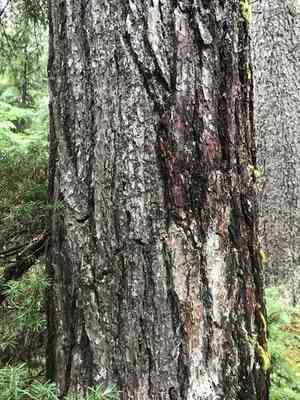
When considering adding Mountain Hemlock to your garden layout, it's vital to first recognize its unique attributes. Mountain Hemlock is celebrated for its appealing, needle-like leaves that offer a rich, green appearance throughout the year. The tree's graceful, conical form can introduce a touch of sophistication and height to your garden scheme. Furthermore, the bark of Mountain Hemlock possesses a characteristic texture, which adds an additional layer of visual interest, particularly during colder months.
Seasonal Aesthetic Transformations in Mountain Hemlock
Mountain Hemlock provides a dynamic seasonal beauty that can enhance your garden's visual appeal all year long. In spring and summer, the tree's vibrant green needles create a refreshing and tranquil atmosphere. As autumn approaches, the foliage might adopt a slightly bluish tint, offering a unique contrast to typical fall hues. During winter, the tree stands tall and majestic, often covered in snow, creating a picturesque winter wonderland sensation. This year-round allure makes Mountain Hemlock a versatile and valuable addition to any landscape design.
Selecting the Ideal Location for Mountain Hemlock in Your Garden
Considering Light and Shade Requirements
Choosing the correct spot for Mountain Hemlock in your garden largely depends on understanding its light and shade needs. Mountain Hemlock thrives in partial shade to full sun. However, it's important to note that while it can endure some shade, excessive shade can hinder growth and impact the tree's overall vitality. Ideally, select a location where Mountain Hemlock will receive at least four to six hours of sunlight daily. This balance will ensure robust growth and vibrant foliage colors.
Soil Types and Drainage Considerations
Mountain Hemlock prefers well-drained, acidic soils that mimic its native mountain environments. Proper soil drainage is crucial to prevent waterlogging, which can lead to root rot and other health issues. If your garden soil doesn't meet these criteria, consider enriching it with organic matter like compost to improve drainage and nutrient content. Raised beds can also be an excellent solution for better control over soil conditions. Regularly check the soil's pH and adjust as needed to maintain an ideal acidic environment for Mountain Hemlock.
Integrating Mountain Hemlock into Landscape Design
Creating Focal Points with Mountain Hemlock
Mountain Hemlock can serve as a stunning focal point in your landscape design due to its substantial size and distinctive appearance. Position Mountain Hemlock strategically at the center of a garden bed or as a standalone specimen to attract attention and create a sense of depth and structure. Its tall, elegant form can act as a natural sculpture, adding vertical interest and breaking up flat garden areas. Complement the tree with varied plant heights and textures to enhance its visual impact.
Utilizing Mountain Hemlock for Privacy and Screening
If privacy and screening are priorities in your garden design, Mountain Hemlock is an excellent choice for creating natural barriers. Planting Mountain Hemlock in a row along property lines or around outdoor living spaces can form a dense, evergreen screen that ensures privacy year-round. The tree’s thick foliage reduces noise and blocks unwanted views while adding aesthetic value to your landscape. Remember to space the trees appropriately to allow for growth and ensure effective coverage.
Companion Plantings Around Mountain Hemlock
To maximize the visual appeal of Mountain Hemlock, consider pairing it with complementary plantings. Understory plants like ferns, hostas, and shade-loving perennials can thrive under the tree's canopy, creating a lush, layered look. Ground covers such as moss or low-growing grasses can soften the base of Mountain Hemlock and provide a seamless transition to other garden areas. Additionally, flowering shrubs or small trees with contrasting colors can enhance the overall aesthetic and create a cohesive garden design.
Care Guidelines for Mountain Hemlock in Landscapes
Pruning and Trimming Techniques
Pruning and trimming are essential maintenance practices to keep Mountain Hemlock healthy and visually appealing. Regularly remove dead or diseased branches to prevent the spread of pests and diseases. If you wish to maintain a specific shape or size, carefully trim the tree in late winter or early spring before new growth begins. Use sharp, clean tools to make precise cuts and minimize stress on the tree. However, be mindful not to over-prune, as this can weaken the tree and reduce its natural beauty.
Mulching and Fertilization Requirements
Proper mulching and fertilization are crucial for the health and growth of Mountain Hemlock. Apply a layer of organic mulch around the base of the tree to retain moisture, suppress weeds, and regulate soil temperature. Refresh the mulch annually, especially in spring. Fertilize Mountain Hemlock with a balanced, slow-release fertilizer designed for acidic-loving plants to promote strong growth and vibrant foliage. Follow the manufacturer's instructions for application rates and timing to avoid over-fertilization, which can harm the tree.



