Enhancing Your Garden Design with the Oyster plant Plant: A Landscaping Guide
1
The vivid leaves of Oyster plant bring lively shades to any outdoor space.
2
Oyster plant flourishes in full sun or partial shade, making it versatile for diverse garden locations.
3
Adding Oyster plant to your garden design can enhance aesthetic appeal with little upkeep.
Exploring the Visual Appeal of Oyster plant
Color and Texture: How Oyster plant Enhances Visuals
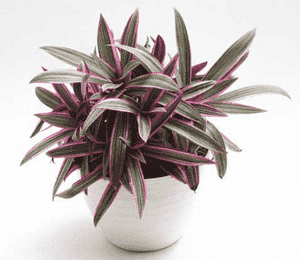
Oyster plant introduces a burst of color to your garden with its striking foliage. Its leaves display a rich, dark green on top and a vivid purple underneath, creating a distinct two-tone effect. This color contrast can brighten shaded areas and add depth to sunny spots. The texture of Oyster plant's leaves is smooth and slightly glossy, offering a pleasant visual break from the common matte leaves of many garden plants. These features make Oyster plant an excellent choice for adding visual interest and dimension to your landscape.
Size and Form: Integrating Oyster plant into Garden Layouts
Oyster plant typically grows in a rosette shape, with leaves extending outward from the center. This growth habit makes it perfect for ground cover or for placement at the front of garden beds. It remains relatively short, usually under a foot, allowing it to blend well with other plants without dominating them. You can use Oyster plant to border pathways, fill gaps in larger plantings, or even as part of a container garden. Its form complements both structured and informal garden designs effectively.
Seasonal Changes: Display Variation of Oyster plant
One of the many appeals of Oyster plant is its ability to maintain its beauty throughout the year. While some plants only shine during specific seasons, Oyster plant keeps its vibrant foliage across all seasons. This ensures consistent color and texture in your landscaping regardless of the time of year. Additionally, Oyster plant can produce small white flowers, adding an extra layer of beauty during its blooming period. This perennial's year-round attractiveness makes it a valuable addition to any landscape.
Incorporating Oyster plant in Various Landscaping Styles
Formal Gardens: Placement and Combinations for Oyster plant
In a formal garden, symmetry and order are paramount. Oyster plant's structured rosette form fits perfectly. Position Oyster plant along pathways or in uniformly spaced groupings to maintain a tidy appearance. Pair Oyster plant with other low-growing plants like boxwoods and ferns to enhance the formal feel. Its striking color can serve as a focal point in monochromatic garden sections, tastefully breaking uniformity. By integrating Oyster plant into a formal garden, you can achieve a balanced, elegant aesthetic.
Cottage Gardens: Achieving a Natural Look with Oyster plant
For a more relaxed, naturalistic feel, incorporate Oyster plant into your cottage garden. Its colorful foliage contrasts beautifully with the pastel blooms and green foliage typical of cottage gardens. You can use Oyster plant to line the edges of winding paths or as a filler in mixed borders. Its informal charm complements the free-flowing, lush nature of cottage gardens. Mix Oyster plant with perennials like Shasta daisies or lavender for a robust, charming look that invites admiration.
Contemporary Layouts: Oyster plant in Modern Landscape Designs
Modern landscape designs often favor clean lines and minimalist plant selections. Oyster plant fits this style perfectly with its bold leaves and defined shape. Use it as an accent plant against gravel or dark mulch for a sleek appearance. You can plant Oyster plant in geometric patterns or rows to reinforce the modern aesthetic. Combining it with architectural plants like succulents or ornamental grasses can further enhance the contemporary vibe. Oyster plant adds a touch of flair and sophistication to modern garden layouts.
Practical Advice for Landscaping with Oyster plant
Site Selection: Discovering the Ideal Spot for Oyster plant
Choosing the correct location for Oyster plant is vital for its growth and visual impact. This plant thrives in both full sunlight and partial shade, making it adaptable for various garden spots. Avoid areas with poor drainage as Oyster plant prefers well-drained soil. Consider its mature size when planting, ensuring it has ample space to spread without being cramped. Place Oyster plant where its vibrant colors can be best appreciated, such as along pathways, in front borders, or as a ground cover.
Grouping Strategies: How to Arrange Oyster plant for Maximum Effect
For a more dramatic effect, consider planting Oyster plant in clusters. Grouping them in threes or more can create a vibrant splash of color that's more impactful than a single plant. Clusters also help fill empty spots in your garden design, providing a lush, full appearance. Mixing Oyster plant with other complementary plants in groupings can create a visually balanced and harmonious look. For instance, pairing it with lighter green foliage or white flowering plants can make its colors stand out even more.
Mulching and Ground Cover: Enhancing Growth and Appearance
Mulching around Oyster plant not only helps retain moisture but also improves the plantâs appearance by providing a clean, finished look. Organic mulch such as bark or wood chips can regulate soil temperature and prevent weeds from sprouting. Using Oyster plant as ground cover can enhance your garden's overall aesthetic by adding a carpet of color and texture. Itâs also an excellent way to protect the soil and reduce erosion, ensuring your garden stays healthy and beautiful.



