Enhancing Your Garden Design with the Small-leaf spiderwort Plant: A Landscaping Guide
1
Small-leaf spiderwort is recognized for its abundant, verdant leaves and tiny white blooms, making it aesthetically pleasing for diverse garden aesthetics.
2
Small-leaf spiderwort flourishes in both ample sunlight and dappled shade, offering adaptability for different landscape layouts.
3
Consistent trimming and diligent upkeep are crucial for maintaining Small-leaf spiderwort's health and appeal in your outdoor space.
Understanding the Role of Small-leaf spiderwort in Landscaping
Overview of Small-leaf spiderwort's visual characteristics
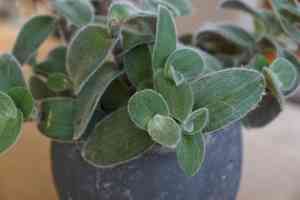
Small-leaf spiderwort presents a variety of appealing attributes that make it prominent in garden design. With its petite, shiny green leaves and delicate white blossoms, Small-leaf spiderwort adds a touch of grace and freshness to any outdoor space. The plant's creeping habit makes it an excellent ground cover, capable of quickly filling empty areas with lively foliage. Its compact size and adaptable nature mean it can be utilized in diverse settings, from garden beds to hanging baskets, making it a favorite among landscape designers.
Why Small-leaf spiderwort is a popular choice in landscape design
Several factors contribute to Small-leaf spiderwort's popularity in landscape architecture. Firstly, its capacity to flourish in both full sun and partial shade allows it to adapt to various garden conditions. Additionally, Small-leaf spiderwort requires relatively little upkeep, needing moderate irrigation and occasional trimming to maintain its best appearance. This makes it particularly attractive to both new gardeners and experienced professionals who value its hardiness and ease of care. Furthermore, Small-leaf spiderwort is excellent for preventing soil erosion, thanks to its dense root system, which anchors the soil, preventing runoff on sloped terrains.
Integrating Small-leaf spiderwort into Different Landscape Styles
Best practices for using Small-leaf spiderwort in formal gardens
In a formal garden, structure and balance are essential, and Small-leaf spiderwort can significantly contribute to these elements. Employ Small-leaf spiderwort as a ground cover to provide a rich, green carpet that beautifully contrasts with the more rigid lines of hedges and sculpted shrubs. Plant Small-leaf spiderwort in clearly defined borders to create a neat and orderly aesthetic. Its consistent growth pattern ensures it won't overshadow other plants, preserving the garden's carefully designed equilibrium.
Incorporating Small-leaf spiderwort in cottage-style landscapes
Cottage gardens are known for their charming, informal look, and Small-leaf spiderwort fits perfectly into this style. Its trailing growth habit allows it to cascade over edges and pathways, contributing to the relaxed and natural appearance typical of cottage gardens. Combine Small-leaf spiderwort with traditional cottage plants like roses, lavender, and daisies to enhance its quaint appeal. It's also ideal for filling in spaces between other perennials, adding texture and continuity to the garden.
Utilizing Small-leaf spiderwort in modern minimalist landscapes
In modern minimalist gardens, simplicity and clean lines are paramount. Small-leaf spiderwort's uniform, neat appearance makes it an ideal choice for this style. Use Small-leaf spiderwort to create ground cover in geometric planting areas or to soften the edges of hard landscaping elements like stone paths or concrete planters. Its subtle yet striking foliage adds a touch of greenery without overwhelming the minimalist aesthetic, allowing other design features to be the focal point.
Companion Plants and Pairing Ideas with Small-leaf spiderwort
Top companion plants that complement Small-leaf spiderwort's aesthetics
Selecting the right companion plants for Small-leaf spiderwort can enhance its beauty and the overall appeal of your landscape. Consider pairing Small-leaf spiderwort with plants like ferns, which offer a contrasting texture with their delicate fronds, or ornamental grasses that provide height and movement. For a burst of color, plants like impatiens or begonias complement Small-leaf spiderwort's green foliage with their vibrant blooms. These combinations not only look attractive but also create a dynamic and visually engaging garden.
Color and texture pairing strategies for Small-leaf spiderwort
Effective pairing involves both color and texture considerations. When planning your garden, think about creating contrast; Small-leaf spiderwort's small green leaves pair well with plants that have larger, bolder foliage, such as hostas or cannas. For color contrast, choose plants with flowers or leaves in colors that stand out against Small-leaf spiderwort's green, like purple salvias or silver artemisia. Blending these elements can help you create a garden that is visually stimulating and balanced.
Managing Small-leaf spiderwort in Your Landscape
Tips for maintaining the health and appearance of Small-leaf spiderwort
Maintaining Small-leaf spiderwort's health and appearance involves a few simple practices. Regularly trim back any overgrown sections to keep the plant compact and prevent it from becoming invasive. Ensure it receives adequate water, especially during dry spells, but avoid waterlogging the soil as it can lead to root rot. Fertilizing sparingly in the growing season can promote lush growth, but Small-leaf spiderwort generally thrives with minimal feeding as long as it's planted in nutrient-rich soil.
Seasonal care techniques for Small-leaf spiderwort
Caring for Small-leaf spiderwort throughout the year involves adapting to seasonal changes. In spring and summer, focus on regular watering and light feeding to support vigorous growth. As autumn approaches, reduce watering to prepare the plant for its dormant period. In colder climates, consider bringing container-grown Small-leaf spiderwort indoors to shield it from frost or mulching around outdoor plants to protect the roots. Following these seasonal care techniques will ensure that Small-leaf spiderwort remains healthy and vibrant year-round.



