Enhancing Your Garden Design with the Windmill palm Plant: A Landscaping Guide
1
The Windmill palm offers adaptability and visual appeal, fitting various garden designs.
2
For optimal growth, the Windmill palm needs particular light, substrate, and spatial arrangements.
3
Consistent care, such as routine trimming and health checks, guarantees the Windmill palm's extended life in your landscape.
Understanding the Role of Windmill palm in Landscaping
Why consider Windmill palm for your garden?
Incorporating Windmill palm into your garden offers numerous advantages, from its vigorous growth to its striking appearance. Gardeners value its resilience and superior pest resistance compared to many other ornamental plants. Envision Windmill palm as a versatile addition capable of fulfilling various roles, such as a focal point or a background element, providing adaptability to your landscape design.
The unique aesthetics of Windmill palm
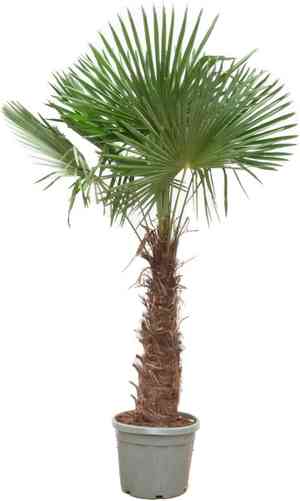
The distinctive visual appeal of Windmill palm can significantly elevate the beauty of any outdoor area. Its fan-shaped leaves and textured trunk impart a tropical and exotic ambiance, which can complement diverse garden styles. These characteristics make Windmill palm more than just a plant; it becomes a feature that enhances the overall look and feel of your garden.
How can Windmill palm enhance outdoor spaces?
Windmill palm enriches outdoor spaces by introducing structure, texture, and an exotic flair. It can function as a natural barrier, create shaded zones, or even be utilized to delineate paths and entryways. Furthermore, integrating Windmill palm into your landscape can foster a lush and inviting setting, ideal for outdoor relaxation and social gatherings.
Selecting the Perfect Spot for Windmill palm
Assessing sunlight and shading requirements
Choosing the optimal location for Windmill palm necessitates understanding its light and shade needs. Windmill palm flourishes in areas receiving ample sunlight, ideally six to eight hours daily. However, it also tolerates partial shade, making it adaptable for various garden environments. Ensuring proper light conditions is vital for its robust growth and vibrant look.
Understanding soil considerations
Soil quality is another critical factor for the successful cultivation of Windmill palm. It prefers well-draining soil with a pH level ranging from slightly acidic to neutral. You may need to test your garden soil and amend it as required with organic matter or other soil conditioners to create an ideal growing medium. Proper soil preparation can greatly influence the vigor and lifespan of Windmill palm.
Considering growth patterns and space needs
When planting Windmill palm, it's important to account for its growth habits and spatial demands. Windmill palm can grow quite tall, so it requires sufficient vertical clearance to mature without obstruction. Spacing is also crucial to prevent overcrowding and ensure each plant receives adequate light and air circulation. Planning for its mature size will help avert future landscaping issues and guarantee a balanced garden layout.
Integrating Windmill palm with Other Plants
Companion plants that thrive with Windmill palm
Integrating Windmill palm with other plants involves selecting companions that flourish under similar conditions. Plants that share comparable soil, light, and water requirements, such as certain ornamental grasses, ferns, and other tropical species, can beautifully complement Windmill palm. These companions can enhance the aesthetic appeal and ensure a harmonious and thriving garden ecosystem.
Designing for color and texture contrast
Designing your garden with Windmill palm entails considering contrasts in color and texture. The bold, green fronds of Windmill palm can be paired with flowering plants of diverse hues to create a vibrant and dynamic display. Additionally, contrasting the smooth texture of its fronds with plants featuring different textures â like spiky agaves or soft, flowing grasses â can add depth and visual interest to your garden.
Balancing evergreens and seasonal varieties
A well-balanced garden design incorporates a blend of evergreens and seasonal varieties. Windmill palm provides year-round structure and foliage, which can be complemented by seasonal plants that introduce different colors and blooms throughout the year. This combination ensures continuous interest and beauty in your garden, regardless of the season.
Maintenance Tips for Windmill palm in Your Landscape
Regular upkeep and seasonal care
Maintaining Windmill palm involves consistent upkeep and seasonal attention. This includes watering practices appropriate for your climate and ensuring the soil remains well-drained. Applying mulch around the base can help retain moisture and regulate soil temperature. Seasonal care, such as extra irrigation during dry periods and protection during cold snaps, ensures the health and resilience of Windmill palm.
Pruning and cleaning best practices
Pruning and cleaning Windmill palm are vital for its visual appeal and well-being. Regularly remove dead or damaged fronds to maintain its tidy appearance and prevent potential pest problems. Using clean, sharp tools to make cuts close to the trunk promotes healthy growth and avoids unnecessary harm to the plant.
Monitoring health and growth
Monitoring the health and development of Windmill palm is crucial for early detection of issues like pests or diseases. Look for changes in color, texture, or growth patterns as indicators of potential problems. Regularly inspect the trunk and fronds, and address any issues promptly with appropriate methods. Keeping a close watch on Windmill palm will help maintain its vitality and ensure it remains a stunning feature in your garden.



