Enhancing Your Garden Design with the Asiatic jasmine Plant: A Landscaping Guide
1
Asiatic jasmine serves as an adaptable ground cover suitable for diverse garden locations.
2
Place Asiatic jasmine in spots where it enhances surrounding flora and garden elements.
3
Integrating Asiatic jasmine with seasonal flora can maintain continuous aesthetic appeal in your garden.
Introducing Asiatic Jasmine in Landscape Design
Understanding the adaptability of Asiatic jasmine in garden layouts
Asiatic jasmine, recognized for its rich, green leaves, serves as an excellent groundcover in numerous landscaping projects. Its low-growing habit makes it ideal for covering expansive areas without overshadowing taller plants. Whether your garden is in a sunny spot or a shaded corner, Asiatic jasmine can adjust to various light conditions, making it a dependable choice for diverse garden designs. Its resilience to different climates further highlights its versatility, ensuring it remains a favorite for gardeners across various regions.
The aesthetic advantages of incorporating Asiatic jasmine into your outdoor areas
Asiatic jasmine offers more than just green foliage. Its dense, leafy structure provides a lush, carpet-like covering that can transform barren soil patches into visually appealing green zones. Furthermore, the small, star-shaped blossoms that occasionally dot its surface add subtle touches of beauty, enhancing your garden's overall visual appeal. Its capacity to unify disparate garden elements creates a cohesive look, making Asiatic jasmine a valuable addition to any outdoor space.
Optimal Placement for Asiatic Jasmine to Maximize Impact
Best spots for Asiatic jasmine in your yard
To get the most from Asiatic jasmine, consider placing it in areas that receive partial shade to full sun. It's particularly effective for covering large open spaces, creating a uniform appearance that can anchor your garden. Additionally, Asiatic jasmine works well around the base of larger trees, providing a green carpet that complements the tree's bark and leaves. You can also use it to fill in gaps between larger shrubs or as a ground layer beneath perennials.
How to utilize Asiatic jasmine to enhance paths and borders
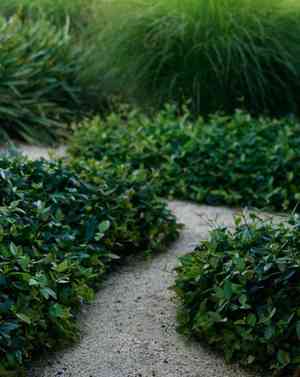
One of the best applications for Asiatic jasmine is to line pathways and garden edges. Its dense foliage forms a natural boundary that neatly frames walkways and separates lawn areas from flower beds. This can give your garden a clean, organized look while also preventing soil erosion. Moreover, Asiatic jasmine along paths can serve as a soft visual guide for visitors, subtly directing movement and adding an elegant touch to your garden's layout.
Pairing Asiatic Jasmine with Other Plants
The ideal companion plants for Asiatic jasmine
Combining Asiatic jasmine with suitable companion plants can significantly elevate your garden's aesthetics. Consider pairing it with taller flowering perennials like echinacea or ornamental grasses that can rise above the low-growing Asiatic jasmine, creating layers of visual interest. Additionally, shade-tolerant plants such as hostas and ferns can be excellent companions, especially in less sunny parts of your garden. The contrast between the textured, leafy greens of Asiatic jasmine and the diverse foliage of these companions can create a harmonious, visually appealing landscape.
Tips for crafting visually appealing plant arrangements
When arranging Asiatic jasmine with other plants, aim for a blend of textures, heights, and colors to create a dynamic and engaging garden. Begin with a few key focal points such as ornamental trees or large shrubs, then introduce Asiatic jasmine as a ground cover that unifies everything. Consider the seasonal changes in plants around Asiatic jasmine; select companions that bloom at different times of the year to ensure year-round appeal. Also, think about spacing; giving plants ample room to grow will help ensure that Asiatic jasmine and its companions thrive without overcrowding.
Seasonal Considerations for Asiatic Jasmine
How Asiatic jasmine appears throughout the year
Asiatic jasmine is a low-maintenance plant that can offer visual appeal across all seasons. In spring, its vibrant green leaves begin to emerge, providing a fresh look after the winter months. Come summer, small, delicate flowers may appear, adding subtle beauty against the lush green backdrop. In the fall, the foliage may take on a more muted hue, transitioning to a darker green or even a reddish tint in colder climates. Winter may see Asiatic jasmine retain its foliage, enduring mild frost without losing its charm.
Preparing Asiatic jasmine for varying weather conditions
To ensure that Asiatic jasmine remains healthy and vibrant through all seasons, a few simple preparations can be very beneficial. In the fall, consider applying a layer of mulch around the plant to protect its roots from early frosts. During the spring, a dose of balanced fertilizer can encourage healthy growth. If you reside in an area with harsh winters, it might be advantageous to provide some additional covering, such as a light blanket or frost cloth, to shield Asiatic jasmine from freezing temperatures.
Creative Design Concepts Using Asiatic Jasmine
Innovative ways to feature Asiatic jasmine in compact gardens
Even in small garden spaces, Asiatic jasmine can play a crucial role. Use it to create a lush ground cover in tiny plots, or let it cascade over the sides of raised beds for a picturesque, flowing effect. If you have a small patio or balcony garden, consider planting Asiatic jasmine in containers to add a touch of greenery. Its easy-to-manage growth habits make it ideal for confined spaces, giving small gardens a full, vibrant look without overwhelming the area.
Utilizing Asiatic jasmine for vertical gardening areas
Asiatic jasmine is not limited to horizontal surfaces. With a bit of ingenuity, it can be incorporated into vertical gardening as well. Train it to grow up trellises or along fences to add a green backdrop to your vertical spaces. This can be particularly effective in urban gardens, where space is limited but vertical structures are common. Its clinging nature allows it to adhere to vertical surfaces, transforming plain walls into lush, green canvases.



