Enhancing Your Garden Design with the Tipu tree Plant: A Landscaping Guide
1
The Tipu tree contributes distinct beauty and architectural grace to any outdoor space.
2
Proper positioning of the Tipu tree guarantees its vitality and improves the garden's aesthetic harmony.
3
Integrating the Tipu tree with non-living landscape features elevates the entire garden layout.
Introducing the Tipu Tree in Landscape Design
Understanding the Tipu tree's unique visual appeal
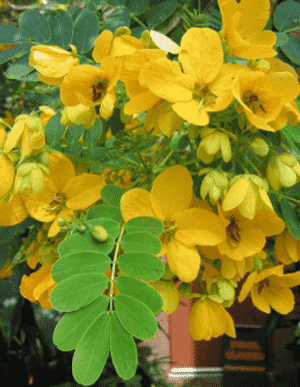
For elevating your landscape's visual charm, the Tipu tree stands out with its captivating beauty and distinct structural form. Its abundant green leaves and impressive height offer a sense of grandeur, making it an ideal selection for those aiming to craft an elegant and refined garden space. With its delicate blooms adding seasonal beauty, the Tipu tree serves as a living testament to nature's artistry.
Advantages of integrating the Tipu tree into contemporary landscapes
Within modern landscaping, the Tipu tree provides several benefits. Firstly, it boosts biodiversity, attracting various birds and insects. Additionally, it offers shade, a valuable asset in warmer climates, creating a comfortable outdoor area. Its strong root system also aids in preventing soil erosion, thus promoting environmental sustainability. Furthermore, its pleasing form can act as a natural focal point or a peaceful backdrop in residential and public gardens.
Overview of landscaping styles suitable for the Tipu tree
The Tipu tree is adaptable and can be smoothly incorporated into various landscaping styles. Whether you prefer a modern garden with clean lines and minimal elements or a more traditional garden rich in flora, the Tipu tree fits well. In Mediterranean-themed landscapes, its lush foliage adds a touch of green allure. In formal gardens, it contributes to structured beauty, while in more relaxed, informal settings, its natural elegance adds charm. Thus, the Tipu tree offers flexibility in landscape design, catering to diverse aesthetic preferences.
Optimal Placement of the Tipu Tree in Your Garden
Determining the best spot for the Tipu tree based on light and space
The placement of the Tipu tree in your garden is vital for its health and the overall visual appeal of your landscape. As a sun-loving plant, the Tipu tree thrives in locations where it can receive ample sunlight throughout the day. Ensure there's sufficient room for it to reach its full potential, considering its mature height and spread. Planting it away from structures or other large trees can prevent overcrowding and maintain its striking visual presence.
Visual balance: How to blend the Tipu tree with other plant varieties
Achieving visual harmony in your garden involves carefully integrating the Tipu tree with other plant species. Select companion plants that complement its size and shape. For instance, pairing it with smaller shrubs and groundcovers can emphasize its height and give your garden a layered look. Balance the colors and textures to ensure a cohesive design. Additionally, considering the growth rate and care needs of the Tipu tree and its companions can facilitate a balanced and complementary garden layout.
Tips for creating focal points with the Tipu tree in landscape design
Using the Tipu tree as a focal point in your landscape design can heighten your garden's visual interest. Position it strategically where it can draw the eye, such as at the center of a circular driveway or at the end of a pathway. Accentuate its presence with garden features like lighting or a nearby water element. Another effective approach is planting it in isolation with mulch or decorative stones around its base, which can underscore its prominence and create a striking visual impact.
Seasonal Considerations for the Tipu Tree in Landscaping
Understanding the Tipu tree's seasonal behavior
The Tipu tree displays distinct seasonal behaviors that can influence your landscaping plans. In spring and summer, it typically flourishes with vibrant foliage and blooms, offering a burst of color and life. However, understanding its seasonal dormancy is also crucial. During autumn and winter, when growth slows, it may shed leaves, and its appearance changes. Being aware of these seasonal cycles can help you manage your garden's aesthetics and maintenance throughout the year.
Adjusting your landscape design to accommodate seasonal changes
Adapting your landscape design to accommodate the Tipu tree's seasonal changes can ensure year-round appeal. For instance, incorporating evergreens or winter-blooming plants can maintain visual interest when the Tipu tree is dormant. Using mulch around its base during colder months can protect its roots and conserve moisture. Additionally, adjusting watering and fertilization routines according to seasonal needs can support its health and growth, ensuring it remains a beautiful and integral part of your garden.
Preventative measures for maintaining the Tipu tree's beauty year-round
To maintain the Tipu tree's beauty throughout the year, proactive care is essential. Regular pruning can promote healthy growth and prevent disease. During the growing season, feeding it with appropriate fertilizers can enhance its vigor. Additionally, being vigilant about pests and diseases, and taking prompt action when needed, can protect the Tipu tree from damage. Employing these preventive measures can help keep the Tipu tree in top condition, ensuring it continues to enhance your landscape's aesthetics over the years.
Complementing the Tipu Tree with Hardscaping Elements
Choosing the right hardscape materials to complement the Tipu tree
Selecting hardscape materials that complement the Tipu tree can significantly enhance your garden's overall design. Natural stone, wood, and wrought iron are materials that pair well with the Tipu tree's organic elegance. These materials offer a harmonious blend of texture and color, accentuating the tree's natural beauty. Ensure the chosen materials are suitable for the climate and garden conditions to ensure durability and maintain visual appeal.
Design ideas: Paths, benches, and patios that enhance the Tipu tree's presence
Incorporating paths, benches, and patios into your landscape design can enhance the Tipu tree's presence. Paved pathways leading to or around the tree can create a guided visual journey. Placing a bench under its canopy provides a serene spot for relaxation, while a nearby patio can serve as a functional space for outdoor gatherings. These design elements can highlight the Tipu tree and make it a central feature of your outdoor living area.
Maintaining visual harmony between the Tipu tree and hardscape components
Achieving visual harmony between the Tipu tree and hardscape components involves thoughtful design and placement. The key is to ensure that hardscape elements like walls, fences, and patios enhance rather than overshadow the Tipu tree. Use complementary colors and materials that blend seamlessly with the tree's natural beauty. Maintaining proportion and scale is also crucial; the hardscape elements should support the landscape's overall aesthetic without dominating the natural charm of the Tipu tree.



