Enhancing Your Garden Design with the Sky plant Plant: A Landscaping Guide
1
The Sky plant is an epiphyte, capable of growing without soil, offering significant adaptability.
2
Sky plant prospers in ample, filtered sunlight, suitable for numerous exterior garden environments.
3
This species requires minimal upkeep and can improve the aesthetics of both structured and relaxed garden layouts.
Introducing Sky Plant in Outdoor Design
Explore the distinct aesthetic qualities of Sky plant that make it perfect for garden and landscape concepts.
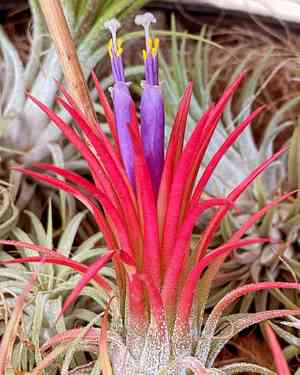
Sky plant is a remarkable specimen with an individual look, thanks to its rosette of silvery-green foliage that transforms into brilliant reds and pinks when flowering. This lively coloration brings a burst of color to any outdoor space, making it an appealing point of interest. Its compact size and epiphytic nature allow for versatile placement, from suspended gardens to wall installations, offering a adaptable choice for landscape architects aiming to add texture, hue, and visual appeal. Moreover, its distinctive shape and vibrant tone create a beautiful contrast with other vegetation, positioning it as a flexible option for both striking and subtle landscape designs.
Grasp the environmental conditions favored by Sky plant, improving sustainable land design practices.
For optimal growth, Sky plant thrives in bright, diffused light, making it suitable for various outdoor locations, including shaded patios or beneath tree canopies. It needs minimal soil since it absorbs moisture and nutrients from the air, reducing the requirement for water and fertilizers, which is ideal for eco-friendly landscaping. This characteristic lowers the garden's overall ecological footprint and is particularly advantageous in drought-prone areas or those with poor soil quality. The plant's adaptability to diverse environmental factors also means it can contribute to your landscape's biodiversity, fostering a healthy, balanced ecosystem.
Integrating Sky Plant into Diverse Landscape Styles
Discover how to utilize Sky plant in structured gardens: Crafting organized layouts.
In formal gardens where order and balance are essential, Sky plant can be used to create impactful geometric designs. Its compact, low-growing habit makes it perfect for bordering pathways or establishing distinct lines within flowerbeds. The bright hues can draw attention to specific zones, guiding the eye through the landscape. Arranging Sky plant in symmetrical patterns or alongside other architectural plants can elevate the garden's overall formality and tidiness.
Investigate the inclusion of Sky plant in casual gardens: Achieving a natural, effortless appearance.
For informal garden settings, Sky plant provides a more relaxed feel. Its ability to grow on various surfaces means it can be imaginatively placed among rocks, on tree limbs, or even hanging from pergolas to create a whimsical and organic look. This plant enhances the natural aesthetic by adding splashes of color and unique forms to a seemingly wild and unforced garden environment. Furthermore, its hardiness makes it perfect for blending seamlessly with other plants without requiring meticulous upkeep.
Suggestions for incorporating Sky plant into xeriscaped environments: Boosting drought resilience.
Sky plant is a superb addition to xeriscaped landscapes, designed to minimize water usage. Its low water requirements align perfectly with xeriscaping principles, and it can serve as an attractive alternative to traditional ground covers or other drought-tolerant species. By positioning Sky plant on rocks, within gravel beds, or alongside other succulents and cacti, you can cultivate a visually striking, water-efficient garden. Its vibrant appearance adds a dynamic element to xeriscaped areas, breaking up any monotony with its texture and color.
Imaginative Uses for Sky Plant in Outdoor Spaces
Developing vertical gardens with Sky plant: A step-by-step tutorial.
Vertical gardens offer a distinctive method to incorporate Sky plant into your landscape. Begin by selecting a suitable vertical surface—such as a wall, trellis, or frame—and ensure it has adequate support and light exposure. Attach a mesh or framework to this surface to hold the plants. Secure the Sky plant with fishing line, wire, or adhesive, making sure they are spaced appropriately for growth and air circulation. Mist the plants regularly to maintain humidity, creating a lush, living wall that can become a stunning focal point in your garden.
Establishing prominent features with Sky plant in landscape architecture.
Sky plant can be effectively utilized to create focal points within your landscape. Whether it's a striking individual plant placed in a decorative container or a cluster artfully arranged on a rock formation, Sky plant draws the eye and adds intrigue. Consider positioning Sky plant at entrances, along pathways, or in centerpieces to emphasize specific zones. The plant's vivid hues and distinct shape stand out against more muted foliage, making it an ideal choice for any focal area.
How to employ Sky plant in container arrangements: Adaptability in design and style.
Container gardening offers flexibility for those who wish to easily integrate Sky plant. Select containers that complement the plant's vibrant colors and unique form—consider materials like terracotta, ceramic, or even repurposed items for an eclectic touch. Ensure the container provides good air circulation. Sky plant can be combined with other epiphytic plants or used alone as a standout piece. Containers can be placed on patios, windowsills, or garden tables, offering versatile arrangement options that adapt to your gardening preferences and space limitations.
Care Guidelines for Sky Plant in Outdoor Settings
Seasonal maintenance advice for Sky plant: Maximizing allure and vitality throughout the year.
Although Sky plant requires minimal care, a few seasonal tips will ensure it remains vibrant year-round. During warmer months, increase misting frequency to compensate for evaporation and ensure it receives sufficient indirect sunlight. In colder seasons, reduce watering and protect it from frost by moving containers indoors or providing cover. Regularly remove any dead leaves or spent blooms to encourage new growth and maintain the plant's aesthetic appeal.
Typical problems and remedies for Sky plant in gardens.
While resilient, Sky plant can encounter common issues such as rot due to overwatering or insufficient air circulation. Ensure water does not accumulate in the plant's center to prevent rot. If the plant exhibits signs of dehydration (browning leaves), increase misting and check humidity levels. Pests are rarely a problem, but if they appear, treat with a gentle insecticide. By monitoring and promptly addressing these concerns, you will keep your Sky plant healthy and flourishing.



