Enhancing Your Garden Design with the American basswood Plant: A Landscaping Guide
1
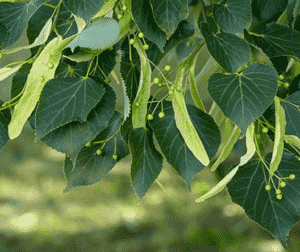
The American basswood offers aesthetic appeal and practical advantages such as shade and refuge.
2
American basswood flourishes under particular soil and light circumstances.
3
Combining American basswood with suitable companion plants can improve your garden's general attractiveness and vitality.
Why Opt for American Basswood in Your Landscape?
Visual Allure: Boosting Aesthetic Interest
A primary reason American basswood excels as a landscape choice is its undeniable visual appeal. Its lush, wide leaves and grand size make it a captivating focal point in any garden. The tree's structure adds vertical dimension, and its green canopy offers a refreshing contrast to other plant types. Throughout the year, American basswood's visual dynamics present an evolving palette of colors, from vivid greens in spring and summer to golden tones in autumn, ensuring your garden remains visually engaging all year long.
Shade and Protection: Practical Advantages in Garden Design
Beyond its visual charm, American basswood also provides numerous practical benefits, particularly shade and shelter. During hot summer months, the tree's large, spreading canopy offers much-needed shade, creating a cool haven for both people and wildlife. This makes American basswood an excellent option for planting near patios, play areas, or outdoor seating. Furthermore, its dense foliage acts as a windbreak, shielding other plants from harsh gusts and fostering a more hospitable microenvironment within your garden.
Optimal Placement of American Basswood in Your Garden
Considering Soil and Sunlight Needs
To ensure American basswood flourishes in your landscape, it's vital to consider its soil and sunlight requirements. American basswood prefers well-drained, fertile soils and will perform best in locations receiving full sun to partial shade. Avoid planting it in areas with poor drainage or overly compacted soils, as this can hinder its growth. Conducting a soil test is also beneficial to determine any specific amendments needed to optimize soil conditions for planting American basswood.
Proximity to Other Plants and Structures
When choosing a spot for American basswood, it's important to consider its closeness to other plants and structures. Given its potential to grow into a large tree, ensure there's ample room for its roots and canopy to expand. Avoid planting it too near buildings, sidewalks, or driveways to prevent root interference and structural damage. Additionally, plan for sufficient distance from smaller plants that might be overshadowed by American basswood's expansive canopy. This careful placement ensures both the basswood and surrounding plants coexist harmoniously and thrive.
Seasonal Considerations for American Basswood
Spring and Summer Care Advice
During the spring and summer, American basswood requires specific care to maintain its health and vigor. Regular watering is crucial, especially during early growth stages and dry periods. Mulching around the base helps retain soil moisture and regulate temperature. Additionally, seasonal fertilization can promote robust growth and enhance the tree's natural resistance to pests and diseases. Pruning any dead or diseased branches in late winter or early spring ensures a strong structure and encourages new growth as warmer months approach.
Autumn and Winter Appearance
As seasons shift to autumn and winter, American basswood undergoes a notable change. Its leaves turn a striking golden color, adding a beautiful splash of fall color to your landscape. Once winter arrives and leaves have fallen, the bare branches create a sculptural quality, adding structural interest to your garden. Despite its leafless state in winter, American basswood remains a significant feature, providing habitat for birds and contributing to the overall architectural framework of your landscape.
Complementary Planting: What Pairs Well with American Basswood?
Selecting Understory Plants
Pairing American basswood with suitable understory plants can enhance your garden's visual appeal and ecological balance. Consider shade-tolerant ground covers, shrubs, and perennials that thrive in the dappled light beneath its canopy. Examples include hostas, ferns, and astilbes, which add layers of texture and color below the tree. These plants not only beautify the base of American basswood but also help suppress weeds, retain soil moisture, and provide additional wildlife habitat.
Creating Color and Texture Contrast
To maximize American basswood's aesthetic potential in your landscape, introduce complementary plants that create striking color and texture contrasts. Opt for plants with vibrant blooms or contrasting foliage colors. For instance, pair it with flowering plants like azaleas or hydrangeas that can add pops of color throughout various seasons. Additionally, combining different textures, such as the broad leaves of American basswood with the fine foliage of ornamental grasses, can create a visually dynamic and cohesive garden design.
Long-Term Growth and Care
Understanding Growth Patterns and Life Span
Understanding American basswood's growth patterns and life span is crucial for long-term landscape planning. It can grow into a large tree, often reaching 60 to 80 feet tall with a similar spread. It's also known for its long life, potentially living for decades, if not centuries, under optimal conditions. This longevity makes it a valuable addition to any landscape, providing lasting beauty and benefits. Awareness of these growth characteristics helps in making informed decisions about placement and care to ensure it thrives without outgrowing its space.
Maintenance Tips to Sustain Health and Beauty
Maintaining American basswood involves a combination of regular care practices to sustain its health and beauty. Consistent watering, especially during dry periods, is crucial. Mulching aids in moisture retention and weed suppression. Periodic pruning is needed to remove dead or diseased branches and to maintain a strong, healthy structure. Monitoring for pests and diseases and taking prompt action can prevent significant health issues. Additionally, fertilizing as needed, based on soil tests and tree requirements, supports sustained growth and vitality, ensuring it remains a stunning centerpiece in your landscape.



