Enhancing Your Garden Design with the Tiger grass Plant: A Landscaping Guide
1
Tiger grass serves as an effective natural barrier for garden privacy.
2
Its distinctive shape and build provide lively aesthetic appeal.
3
Tiger grass is simple to care for, needing little attention.
Introducing Tiger Grass in Landscape Design
Overview of Tiger grass's visual appeal
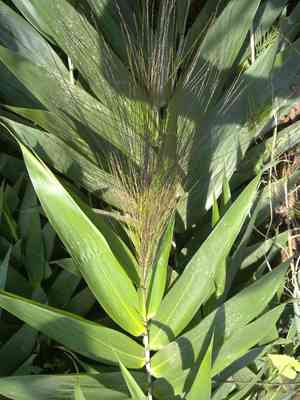
Tiger grass offers a striking look, making it a top choice for landscape architects. Its tall, bamboo-like stems and rich, green leaves bring a calm, exotic feel to any garden. Its upright growth adds height and depth, making it an excellent backdrop or a key element in garden beds. Whether in a modern or classic setting, Tiger grass effortlessly boosts the landscape's aesthetic.
Advantages of incorporating Tiger grass into your garden
Adding Tiger grass to your garden provides numerous benefits. First, its fast growth and dense foliage create an effective natural privacy screen, shielding your garden from view. Second, Tiger grass is relatively easy to care for, thriving in various soil types with minimal watering. Third, it supports local wildlife, offering shelter and food for diverse insects and birds. Additionally, its root systems help prevent soil erosion, making it a practical and beautiful garden addition.
Optimal Placement of Tiger Grass in Your Garden
Evaluating your space for Tiger grass placement
Before planting Tiger grass, it's crucial to assess your garden area to find the best spot. Consider the plant's mature height and width, ensuring ample room for growth without overshadowing other plants. Tiger grass thrives in both full sun and partial shade, so select a location with sufficient light. Avoid areas with heavy foot traffic, as this can harm the plant's roots and impede growth.
Strategies for maximizing visual impact
To enhance Tiger grass's visual appeal, consider thoughtful placement and grouping. Plant Tiger grass along garden edges to form a natural green barrier or use it to line pathways and entrances, providing an inviting and structured appearance. Grouping several Tiger grass plants can create a lush, jungle-like atmosphere, while a single plant can serve as a prominent focal point. Combining Tiger grass with plants of varying heights and textures will improve your garden's overall look.
Companion Plants for Tiger Grass
Selecting plants that complement Tiger grass's characteristics
When pairing Tiger grass with other plants, choose species that enhance its tall, graceful form. Consider plants with contrasting shapes and sizes to achieve a visually balanced garden. For example, low-growing ground covers or medium-height shrubs can emphasize Tiger grass's vertical presence. Flowering perennials with complementary colored blooms can add a vibrant touch, while foliage plants with different leaf textures offer interesting contrast.
Color schemes and textural contrasts
The vivid green of Tiger grass pairs well with various color palettes. For a striking visual effect, combine it with plants featuring bold, bright flowers like reds, yellows, and purples. For a more subtle and harmonious look, pair Tiger grass with plants that have different shades of green or variegated foliage. Texture is another key element—mixing Tiger grass with plants that have broad, smooth leaves or delicate, feathery foliage can create a rich, multi-dimensional garden landscape.
Maintaining Tiger Grass Aesthetics
Basic care tips for Tiger grass in landscapes
Maintaining Tiger grass in your landscape is relatively simple. Consistent watering during dry spells helps keep its foliage vibrant and green. Pruning is essential to prevent the plant from becoming too tall and to remove any dead or damaged leaves. Annual fertilization with a balanced fertilizer will supply the necessary nutrients for healthy growth. Additionally, monitoring for pests and diseases ensures Tiger grass remains lively and attractive year-round.
Seasonal considerations for optimal appearance
To keep Tiger grass looking its best throughout the seasons, certain considerations are important. In spring, provide a thorough watering to encourage new growth and apply a layer of mulch to retain moisture. Summer may require more frequent watering, especially during extended dry periods. In autumn, trim back any old foliage to promote healthy regrowth in the spring. Winter care typically involves minimal maintenance, but in colder regions, a protective mulch layer over the roots can help guard against frost damage.
Innovative Design Concepts Using Tiger Grass
Creating focal points with Tiger grass
One of the most effective ways to use Tiger grass in your garden is by establishing focal points. Planting it in a central spot or at the end of a path draws the eye and creates a sense of direction and flow. For added interest, consider installing garden lighting to highlight Tiger grass's structure after dark. By incorporating decorative elements such as sculptures or water features around Tiger grass, you can enhance its role as a garden centerpiece.
Integrating Tiger grass into contemporary garden designs
Tiger grass is an ideal fit for modern garden designs due to its sleek, clean lines and minimalist appeal. It works well in contemporary settings with geometric shapes and simple designs. Consider planting Tiger grass in large, minimalist planters to create a structured look that complements modern architecture. Its versatility also allows it to blend seamlessly with other modern elements such as concrete walls, metal sculptures, or glass features, adding a touch of natural elegance to a modern outdoor space.



