Enhancing Your Garden Design with the Japanese thuja Plant: A Landscaping Guide
1
Japanese thuja adapts well to various climates, making it a flexible option for diverse garden settings.
2
Incorporating Japanese thuja can contribute to better air quality in your surroundings.
3
Consistent care routines are crucial for ensuring the robust development of Japanese thuja.
An Introduction to Japanese Thuja in Garden Design
Understanding the distinctive beauty of Japanese thuja
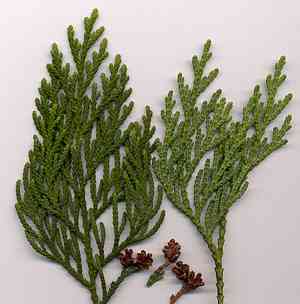
Japanese thuja offers a unique and attractive visual element to any outdoor space. With its rich, evergreen foliage, it provides consistent color and texture throughout the year. The dense, conical form of Japanese thuja can serve as an excellent background for other plants or stand alone as a garden highlight. Its deep green leaf tones add depth and a feeling of calm, making it a favored option for creating peaceful environments.
The popularity and adaptability of Japanese thuja across various climates
Japanese thuja is renowned for its ability to thrive in diverse climates, from mild regions to those experiencing colder winters. Its resilient nature allows it to endure a range of environmental conditions, making it a dependable addition to many gardens. This versatility, combined with its visual appeal, has contributed to its widespread adoption by both new and experienced gardeners.
Design Principles: Integrating Japanese Thuja into Your Garden
Selecting the optimal site for Japanese thuja
When choosing the ideal spot for Japanese thuja, consider areas that receive ample sunlight, as this will encourage robust growth. Well-draining soil is essential to prevent root rot and ensure the plant flourishes. Optimal locations offer some protection from strong winds, further nurturing your Japanese thuja and helping it develop sturdily.
Companion plants and design concepts
Pairing Japanese thuja with complementary plants can elevate your garden's visual appeal. Consider planting flowering shrubs or perennials that contrast with the deep green leaves of Japanese thuja. Japanese maples, azaleas, and rhododendrons are excellent choices that can create a harmonious garden scheme. Themed gardens, such as Japanese-inspired landscapes, are perfect for showcasing the elegance of Japanese thuja.
Creating focal points with Japanese thuja
Japanese thuja can serve as a striking centerpiece in any garden. Its tall, commanding presence makes it ideal for anchoring garden beds or as an eye-catching feature along pathways. Placing Japanese thuja at key visual points can draw attention and establish balance within your landscape design, making your garden more inviting and organized.
Care and Seasonal Considerations for Japanese Thuja
Fundamental maintenance tips for healthy development
Caring for Japanese thuja involves consistent watering, especially during dry periods, and mulching to retain soil moisture. Pruning should be performed annually to remove any dead or diseased branches and to maintain its desired shape. Fertilize in early spring with a balanced fertilizer to supply essential nutrients and promote vibrant growth.
Managing seasonal changes and safeguarding Japanese thuja
Japanese thuja requires specific attention during seasonal transitions. In winter, protect younger plants from heavy snow by gently shaking off the snow to prevent breakage. Apply mulch around the base in autumn to insulate the roots and retain warmth. Regularly inspect for pests and diseases, particularly during the growing season, and treat promptly to avoid any lasting damage.
Environmental Advantages of Planting Japanese Thuja
Contribution to ecological diversity
Planting Japanese thuja enhances local biodiversity by offering shelter and sustenance for various wildlife species. Birds, in particular, are drawn to Japanese thuja for nesting and protection. By incorporating Japanese thuja into your landscape, you help support the ecosystem and maintain a healthy, varied environment.
Improving air quality and aesthetic enhancement
Japanese thuja plays a crucial role in enhancing air quality by absorbing pollutants and releasing oxygen. Its evergreen nature ensures these benefits are available year-round, making it a valuable addition to urban and suburban landscapes. Furthermore, the presence of Japanese thuja significantly boosts the aesthetic appeal of an area, providing visual interest and a sense of calm.
Innovative Uses of Japanese Thuja in Landscape Design
Creative applications of Japanese thuja in small and large areas
Japanese thuja is adaptable enough to suit both small and large garden spaces. In smaller gardens, use Japanese thuja as a living privacy screen or hedge. For larger landscapes, consider creating groves or avenues lined with Japanese thuja to form natural walkways. Its flexible nature allows for imaginative uses that enhance the spatial dynamics of any garden.
Examples of landscape projects featuring Japanese thuja
Many successful landscape projects showcase the versatility of Japanese thuja. For instance, Japanese thuja is often the focal point in Japanese gardens, paired with stone lanterns and koi ponds to create a serene setting. In public parks, Japanese thuja is used to form natural barriers and provide shaded areas. These examples illustrate how Japanese thuja can be effectively integrated to meet various aesthetic and functional requirements.



