Enhancing Your Garden Design with the Arborvitae Plant: A Landscaping Guide
1
Arborvitae flourishes in diverse soil conditions, allowing it to readily adjust to various garden settings.
2
Consistent trimming assists in preserving Arborvitae's form and vitality, extending its lifespan in landscape designs.
3
With appropriate spacing, Arborvitae serves as an effective natural barrier, improving the utility of your exterior area.
Understanding the Role of Arborvitae in Landscaping
Why choose Arborvitae for your garden?
Selecting Arborvitae for your garden is a smart choice for several reasons. First, it provides a year-round green presence, keeping your landscape vibrant through all seasons. Second, Arborvitae is known for its low-maintenance nature, needing minimal water and care once established, which is perfect for busy homeowners. Its longevity and resilience also mean you're investing in a plant that will enhance your garden for many years. Additionally, it offers excellent windbreaks and noise reduction, creating a more comfortable outdoor space.
The aesthetic appeal of Arborvitae
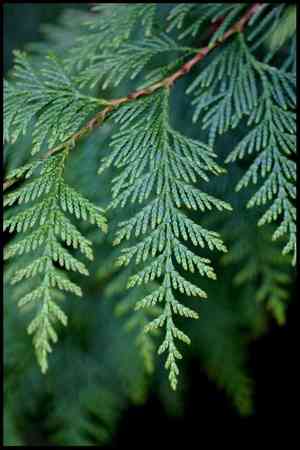
The visual charm of Arborvitae cannot be overstated. Its dense, lush foliage forms a natural screen that adds depth and texture to your landscape design. Whether utilized as a backdrop for blooming plants, a hedge for privacy, or a standalone specimen, Arborvitae effortlessly elevates the visual appeal of any garden. Its varied green hues offer a calming color palette that blends seamlessly with other plants, making it a versatile option for diverse landscaping themes.
Arborvitae's adaptability to different climates and soils
Arborvitae is remarkably adaptable, thriving across a broad spectrum of climates, from temperate to colder regions. This adaptability extends to soil conditions as well; Arborvitae can flourish in everything from loamy to sandy soils, provided they are well-drained. This versatility makes it a robust choice for gardeners facing challenging environmental conditions. Furthermore, Arborvitae can tolerate urban pollution better than many other plants, making it ideal for city gardens and roadside plantings.
Designing with Arborvitae: Incorporating Structure and Form
Starting with a blueprint: Visualizing Arborvitae in your space
Before planting Arborvitae, it's essential to envision how it will integrate into your overall landscape design. Begin with a blueprint or sketch that includes the placement of Arborvitae, considering its mature size to prevent overcrowding. Think about the purpose of each Arborvitae plant â whether it's for screening, defining borders, or as focal points. By planning ahead, you can ensure that Arborvitae enhances both the aesthetic and functional aspects of your garden.
Balancing height and density with Arborvitae
Balancing height and density when designing with Arborvitae is crucial for creating a cohesive landscape. Position Arborvitae strategically to leverage its vertical growth, which can add dimension and height to flat areas of your garden. Arranging Arborvitae in clusters or rows can create visual density while maintaining a structured look. Remember to space the plants adequately to ensure air circulation and healthy growth while achieving the desired density for privacy or windbreaks.
Combining Arborvitae with other plants for harmony and contrast
Combine Arborvitae with other plants to create a harmonious and visually appealing garden. The deep green foliage of Arborvitae pairs well with colorful flowering plants, offering a striking contrast that highlights the beauty of both. Use it as a backdrop for perennial flowers or alongside ornamental grasses for textural contrast. Mixing Arborvitae with deciduous shrubs can also add seasonal interest, as their varied foliage colors and shapes create a dynamic and ever-changing landscape.
Practical Tips for Planting and Maintaining Arborvitae
Best time of year for planting Arborvitae
The optimal time to plant Arborvitae is in early spring or fall when temperatures are milder, allowing the plant to establish roots before the rigors of summer heat or winter cold. Planting during these seasons helps Arborvitae acclimate to its new environment, promoting vigorous growth. Ensure the planting site receives ample sunlight, as Arborvitae thrives in full sun to partial shade.
Soil preparation and initial care
Proper soil preparation is vital for successful planting. Start by digging a hole twice as wide and just as deep as the Arborvitae's root ball. Mix the excavated soil with compost to improve fertility and drainage. Place the plant in the hole, ensuring the root ball is level with the ground surface, then backfill with the soil mixture. Water thoroughly after planting to settle the soil around the roots. Mulching around the base helps retain moisture and regulate soil temperature, giving Arborvitae a strong start.
Ongoing maintenance tips
Maintaining Arborvitae involves consistent watering, especially during dry periods, to keep the soil evenly moist but not waterlogged. Pruning is essential to maintain its shape and remove any dead or diseased branches, typically done in late winter or early spring before new growth emerges. Fertilize annually with a balanced slow-release fertilizer to encourage robust growth. Additionally, inspect Arborvitae regularly for signs of pests or diseases to address issues promptly and maintain overall plant health.
Overcoming Challenges: Managing Common Issues with Arborvitae
Identifying and treating common pests and diseases
Arborvitae can be vulnerable to pests like spider mites and bagworms, as well as diseases such as root rot and blight. Regular inspection of the plant can help detect these issues early. Treat pests with appropriate insecticides or neem oil, and ensure good air circulation around the plants to prevent fungal diseases. Removing affected branches and disposing of them properly can also prevent the spread of diseases.
Weather-related concerns and Arborvitae
Extreme weather can pose challenges for Arborvitae. During hot summers, ensure consistent watering to prevent drought stress. In areas with heavy snowfall, gently brush off snow accumulation to prevent branch breakage. For regions prone to strong winds, consider planting Arborvitae in sheltered spots or using windbreaks. Cover young plants with burlap in winter to protect them from frost and wind damage.
Tips for revitalizing underperforming Arborvitae
If Arborvitae is not thriving, assess its growing conditions. Yellowing or sparse foliage may indicate nutrient deficiencies or improper watering. Adjust watering schedules to avoid over or under-watering, and apply a balanced fertilizer to replenish soil nutrients. Pruning can rejuvenate the plant by removing old or diseased growth, encouraging new shoots. Relocating Arborvitae to a site with better sunlight or soil conditions can also vastly improve its health and appearance.



