Enhancing Your Garden Design with the Rice-paper plant Plant: A Landscaping Guide
1
This plant exhibits rapid growth, quickly establishing dense, tropical-looking leaves.
2
It integrates well into diverse garden designs, ranging from contemporary to exotic.
3
Adequate spacing and care are essential for its robust growth within any garden setting.
Understanding the Growth Characteristics of Rice-paper plant
Overview of size and growth rate
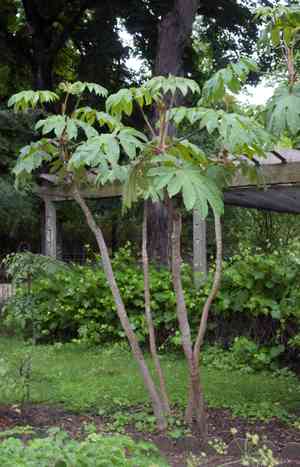
When designing your outdoor space, comprehending the growth habits of Rice-paper plant is crucial. This species is recognized for its expansive, striking foliage and rapid development, making it a prominent element in any garden. Typically, Rice-paper plant can reach heights of up to 10 feet and spread extensively, creating a significant visual impact.
Predicting the spread of Rice-paper plant over time
Rice-paper plant tends to propagate via subterranean rhizomes, meaning it can quickly extend beyond its initial planting location. It's vital to consider this when deciding where to place Rice-paper plant. Ample room should be provided for its expansion, and containment methods like root barriers can help control its spread effectively.
Seasonal behavior of Rice-paper plant
Understanding the seasonal patterns of Rice-paper plant can aid in its better care. This plant is perennial but may display varying growth behaviors depending on the climate. In colder regions, Rice-paper plant might die back in winter, only to re-emerge robustly in spring. In warmer areas, it retains its leaves throughout the year, offering a lush green presence across all seasons.
Incorporating Rice-paper plant into Different Landscape Styles
Minimalist and modern landscapes
For those who favor clean lines and a contemporary aesthetic, Rice-paper plant can be an ideal selection. Its large leaves and architectural form create a bold statement without overpowering the minimalist design. Strategically placing Rice-paper plant as a focal point or along pathways can produce a striking effect that enhances the modern appeal of your landscape.
Cottage or country gardens
Rice-paper plant also fits well in cottage or country gardens, where its abundant foliage can add a touch of wild, natural charm. Pairing Rice-paper plant with other blooming plants and shrubs can create an enchanting, layered appearance. Its large leaves provide an excellent backdrop for vibrant flowers, contributing to a delightful, rustic garden ambiance.
Tropical-themed spaces
If you're aiming for a tropical haven in your backyard, Rice-paper plant is indispensable. Its exotic look and swift growth make it a superb choice for establishing a lush, jungle-like environment. Combining Rice-paper plant with other tropical flora such as ferns, palms, and colorful bromeliads can transform your area into a vibrant tropical sanctuary.
Choosing Complementary Plants for Rice-paper plant
Selecting colors and textures that enhance Rice-paper plant
When choosing companion plants for Rice-paper plant, consider those with contrasting hues and textures. The large, prominent leaves of Rice-paper plant pair well with finer, more delicate foliage, such as ornamental grasses or ferns. Additionally, opting for plants with colorful blossoms, like begonias or impatiens, can create a vivid contrast that accentuates the unique beauty of Rice-paper plant.
Recommended plant pairs for year-round interest
To ensure continuous appeal in your garden, combine Rice-paper plant with species that offer diverse seasonal attractions. For instance, evergreen shrubs can provide structure in winter, while flowering perennials can add color in spring and summer. Consider plants like hostas, which thrive in similar conditions and can beautifully complement Rice-paper plant's foliage.
Managing plant competition in your design
Controlling plant competition is crucial when integrating Rice-paper plant into your landscape. Its vigorous growth can sometimes overshadow smaller plants. Ensuring adequate spacing and selecting plants that can hold their own against Rice-paper plant's robust nature can help maintain equilibrium. Mulching and regular trimming are also effective strategies to manage competition and keep your garden flourishing.
Installation Tips for Rice-paper plant
Best practices for planting and initial care
When planting Rice-paper plant, select a site with well-drained soil and partial shade to full sun. Ensure the planting hole is twice the width of the root ball to allow for easy root expansion. Water the plant thoroughly after planting and maintain consistent moisture during its initial growth phase. Applying mulch around the base can help retain moisture and suppress weeds.
Spacing considerations for landscape balance and health
Appropriate spacing is vital for the healthy development of Rice-paper plant. Given its potential to spread, allow at least 5-6 feet between Rice-paper plant and other plants. This spacing prevents overcrowding and ensures each plant has sufficient nutrients and light. Planning your layout with these considerations can lead to a more balanced and visually appealing garden.
Common initial challenges and how to overcome them
Some initial difficulties in cultivating Rice-paper plant include managing its rapid growth and ensuring it adapts well to its new surroundings. To overcome these, regular monitoring of growth patterns and timely interventions like pruning or installing root barriers can be beneficial. Ensuring the plant receives adequate water and protection from extreme conditions will help it establish itself more robustly.
Maintaining Rice-paper plant for Long-Term Landscape Success
Routine upkeep and seasonal adjustments
Routine maintenance for Rice-paper plant includes regular irrigation, especially during dry periods, and periodic fertilization to support its growth. Seasonal modifications, such as protecting the plant in winter with mulching in colder regions or providing extra water during hot summers, can help maintain its health and vigor.
Monitoring and managing growth
Monitoring the growth of Rice-paper plant is essential to prevent it from becoming invasive. Regularly checking for signs of spreading and addressing them promptly, whether through pruning or installing barriers, can keep its growth in check. Consistent observation ensures that Rice-paper plant does not overshadow other plants and maintains its intended role in your landscape.
Renewing and rejuvenating mature Rice-paper plant plants
Rejuvenating mature Rice-paper plant plants involves trimming old stems to encourage new growth and maintaining soil health with organic matter. If the plant becomes too dense, consider thinning out some of the older canes to allow light and air to reach the base. This renewal process helps keep Rice-paper plant looking fresh and vigorous, enhancing its presence in your landscape for years to come.



