Enhancing Your Garden Design with the Japanese ternstroemia Plant: A Landscaping Guide
1
Japanese ternstroemia provides continuous color and tactile interest in your outdoor space.
2
Optimal positioning for Japanese ternstroemia involves assessing light exposure, soil conditions, and nearby flora.
3
Companion plantings and landscape elements can heighten the aesthetic charm of Japanese ternstroemia.
Introducing Japanese Ternstroemia in Garden Design
Overview of Japanese ternstroemia's traits and appeal in garden settings
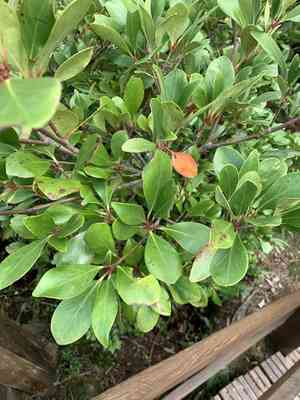
To elevate your garden's appearance, Japanese ternstroemia offers distinct characteristics and visual charm. This evergreen plant is recognized for its dense leaves and vivid colors, which can vary from deep green to a striking reddish tint, depending on the time of year. It's a versatile addition to any garden, fitting into diverse design styles from minimalist to lush and vibrant. Its compact, rounded form makes it an excellent option for hedges, borders, and individual focal points. Furthermore, Japanese ternstroemia's minimal upkeep and hardiness make it a favorite among both new and seasoned gardeners.
The role of Japanese ternstroemia in enhancing garden beauty
The visual allure of Japanese ternstroemia can transform an ordinary garden into an enchanting outdoor space. This plant's abundant foliage provides a rich array of colors and textures throughout the year, creating a dynamic and ever-changing landscape. In autumn, its leaves turn a brilliant red, adding a burst of color as other plants begin to fade. During spring and summer, Japanese ternstroemia maintains a lush, green presence that serves as an ideal backdrop for blooming flowers and other decorative plants. Its visual appeal isn't limited to its leaves; the plant also produces small, delicate flowers that can add another layer of beauty to your garden. By incorporating Japanese ternstroemia into your landscape plan, you can create a visually appealing garden that offers both beauty and interest year-round.
Optimal Placement of Japanese Ternstroemia in Your Garden
Factors for positioning Japanese ternstroemia for maximum effect
To maximize the benefits of Japanese ternstroemia in your garden, choosing the correct location is vital. Consider elements such as sunlight, soil type, and available space. Japanese ternstroemia thrives in well-drained soil and can tolerate various light conditions, from partial shade to full sun. However, for best growth and color, a spot with morning sun and afternoon shade is perfect. Think about the plant's mature size when deciding where to place it, ensuring ample room for growth without crowding other plants. By strategically placing Japanese ternstroemia, you can enhance its visual impact and contribute to a balanced and harmonious garden design.
Tips on integrating Japanese ternstroemia with other plants
Combining Japanese ternstroemia with other plants in your garden can boost its aesthetic appeal and create a unified landscape design. Pair Japanese ternstroemia with plants that have contrasting textures and colors to generate visual interest. For instance, companion plants with lighter foliage or bright flowers can create a striking contrast against Japanese ternstroemia's dark green leaves. Consider using Japanese ternstroemia as a background for shorter plants or as an accent plant in a mixed border. You can also use Japanese ternstroemia to form natural hedges or screen walls, providing structure and privacy to your garden. By carefully selecting companion plants, you can create a visually stunning garden that highlights the beauty of Japanese ternstroemia.
Seasonal Considerations for Japanese Ternstroemia
How Japanese ternstroemia's appearance changes with the seasons
One of the appealing aspects of Japanese ternstroemia is its dynamic look throughout the year. In spring, new growth often appears a lighter green, offering a fresh and vibrant appearance. As summer approaches, the foliage deepens to a rich green, remaining consistent and providing a lush backdrop for summer blooms. Come autumn, Japanese ternstroemia undergoes a beautiful transformation; its leaves may turn to stunning shades of red and orange, adding a warm, seasonal touch to your garden. Understanding these seasonal shifts can help you plan your garden design to leverage Japanese ternstroemia's year-round appeal.
Preparing your Japanese ternstroemia for various weather conditions
Preparing Japanese ternstroemia for different weather conditions is crucial for maintaining its health and beauty. During winter, ensure the plant is well-watered before the ground freezes to help it endure cold temperatures. Mulching around the base can also protect the roots from extreme cold. In hot summer months, consistent watering is essential, especially during dry spells. However, avoid over-watering as this can lead to root rot. Pruning in late winter or early spring can help maintain its shape and encourage healthy growth. By taking these steps, you can ensure your Japanese ternstroemia remains robust and vibrant throughout the year, regardless of the weather.
Complementary Plants and Features with Japanese Ternstroemia
Selecting plants that enhance the beauty of Japanese ternstroemia
Choosing the right companion plants can significantly amplify the visual impact of Japanese ternstroemia in your garden. For example, flowering plants like azaleas or hydrangeas can complement Japanese ternstroemia's lush foliage with their colorful blooms. Ornamental grasses can add texture and movement, creating a dynamic contrast with Japanese ternstroemia's more rigid structure. Additionally, ground covers like creeping thyme or periwinkle can provide a colorful, low-growing layer that complements the height and form of Japanese ternstroemia. By thoughtfully selecting complementary plants, you can create a harmonious and visually appealing garden that showcases the beauty of Japanese ternstroemia.
Incorporating hardscaping elements with Japanese ternstroemia
Integrating hardscaping elements with Japanese ternstroemia can further enhance your garden's design. Consider adding pathways, stone borders, or decorative pots to highlight the plant's features. A well-placed bench or garden statue can create a focal point, drawing attention to Japanese ternstroemia and providing a place to enjoy the garden. Water features, such as small ponds or fountains, can add a serene ambiance and contrast beautifully with Japanese ternstroemia's foliage. By combining hardscaping with Japanese ternstroemia, you can add structure, functionality, and visual interest to your garden landscape.
Common Challenges and Solutions in Japanese Ternstroemia Landscaping
Addressing typical landscaping challenges with Japanese ternstroemia
Like any plant, Japanese ternstroemia may encounter certain difficulties in the landscape. Common issues include improper watering, pests, and diseases. Over-watering can lead to root rot, so ensure the soil is well-drained and avoid waterlogged conditions. Common pests such as aphids or scale insects can be managed with regular inspections and appropriate treatments. Diseases like leaf spot or fungal infections can be mitigated by avoiding overhead watering and ensuring good air circulation around the plant. By being aware of these potential challenges and addressing them promptly, you can keep your Japanese ternstroemia healthy and thriving.
Practical solutions for maintaining the aesthetic appeal of Japanese ternstroemia
Maintaining the aesthetic appeal of Japanese ternstroemia involves consistent care and attention. Pruning is essential to preserve the plant's shape and remove any dead or diseased branches. Fertilizing in spring with a balanced, slow-release fertilizer can encourage healthy growth and vibrant foliage. Mulching around the base can help retain moisture and suppress weeds, improving the plant's appearance and health. Regularly inspect the plant for any signs of pests or diseases and treat them promptly to prevent further damage. By following these practical solutions, you can ensure that your Japanese ternstroemia remains a beautiful and integral part of your garden landscape.



