Enhancing Your Garden Design with the Japanese yew Plant: A Landscaping Guide
1
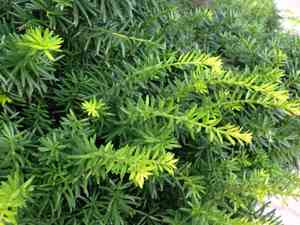
The Japanese yew offers continuous aesthetic appeal due to its evergreen leaves.
2
This adaptable plant fits well into diverse garden designs, from classic to contemporary.
3
Correct planting and care methods are crucial for ensuring the Japanese yew remains robust and flourishes.
Why Incorporate Japanese Yew into Your Outdoor Space?
Visual Appeal: Explore the Aesthetic Advantages
A primary reason to feature Japanese yew in your landscape is its undeniable visual charm. Its rich, green foliage offers a pleasing backdrop, ideal for any garden. Whether utilized as a hedge, a solitary specimen, or within a mixed border, Japanese yew adds texture and depth to your outdoor area. Its dense growth and ease of shaping allow it to suit diverse design requirements, from formal garden structures to more organic, flowing layouts.
Year-Round Beauty: The Evergreen Allure of Japanese Yew
Unlike plants that lose their appeal in colder months, Japanese yew maintains its beauty throughout the year. As an evergreen, it showcases vibrant green foliage even in winter. This consistent greenery ensures your garden looks lively and inviting regardless of the season, providing a strong foundation for seasonal flowers and plants with shorter bloom periods. Its dependable, year-long display makes Japanese yew a foundational plant for cultivating a perpetually beautiful garden.
Space Efficiency: Perfect for Gardens of All Sizes
Japanese yew is renowned for its efficient use of space, making it an excellent choice for gardens of any dimension. In smaller gardens, its compact growth habit can be easily managed with regular pruning, allowing you to shape it to fit confined areas perfectly. For larger landscapes, Japanese yew can serve as an impressive hedge or screen, offering privacy and a sense of enclosure. Its adaptability to various sizes means you can use it creatively in different parts of your garden without concern of it overpowering other plants.
Integrating Japanese Yew into Various Landscape Styles
Traditional Gardens: Blending with Classic Designs
Japanese yew integrates seamlessly into traditional garden designs, where its formal, structured appearance can complement classic garden elements like boxwood hedges and topiary. In a traditional setting, Japanese yew can be used to delineate pathways, encircle garden beds, or act as a backdrop for ornamental statues and fountains. Its timeless look ensures it will retain its charm and elegance as other garden trends come and go.
Modern Landscapes: Japanese Yew in Contemporary Settings
Even in modern landscapes, Japanese yew proves to be an excellent selection. Its clean lines and adaptable form can enhance the minimalist aesthetic typical of contemporary garden designs. Planted in geometric patterns or used to anchor sleek garden beds, Japanese yew can introduce a touch of nature to modern, often stark outdoor spaces. Its evergreen nature also adds warmth, softening the sharp edges commonly associated with modern design.
Japanese-Inspired Themes: A Natural Match for Japanese Yew
Given its origins, Japanese yew naturally complements Japanese-inspired garden themes. In such environments, Japanese yew can be used to create bonsai, form elegant hedges, or serve as a focal point in rock gardens. Its ability to be pruned into various shapes makes it ideal for achieving the serene, controlled look characteristic of Japanese gardens. Whether paired with stone lanterns, koi ponds, or bamboo, Japanese yew helps bring an authentic touch to your Japanese-themed landscape.
Practical Advice for Planting Japanese Yew in Your Garden
Selecting the Right Spot: Sunlight and Soil Preferences
For optimal results, plant Japanese yew in a location receiving partial to full sunlight. While quite adaptable, it thrives in well-drained soil rich in organic matter. Before planting, ensure the site is free of waterlogging and receives at least a few hours of direct sunlight daily. Testing the soil pH to ensure it's slightly acidic to neutral can also promote healthier growth for your Japanese yew plants.
Planting Methods: Best Practices for Robust Growth
Begin by digging a hole twice the width of the root ball and of equal depth. Carefully position your Japanese yew, ensuring the top of the root ball is level with the soil surface. Backfill with excavated soil, mixed with compost if necessary, and water thoroughly to eliminate air pockets. A layer of mulch around the base can help retain moisture and suppress weeds. Remember to space multiple Japanese yew plants adequately to allow for proper airflow and development.
Landscaping with Multiple Japanese Yew Plants: Layout Considerations
When incorporating multiple Japanese yew plants into your landscape, consider their mature size and growth habits. Space them appropriately to prevent overcrowding, which can lead to fungal issues and stunted growth. Arrange them in staggered rows or cluster patterns for a natural appearance, or in straight lines for a formal look. Proper spacing ensures each plant has ample room to grow healthy and strong, contributing to an overall harmonious garden design.
Long-Term Care: Keeping Japanese Yew Thriving
Routine Care Tips: Ensuring Plant Vitality
Regular maintenance is crucial for keeping your Japanese yew healthy and flourishing. Consistent pruning helps maintain its shape and encourages vigorous growth. Water your Japanese yew plants thoroughly during dry spells, ensuring the soil remains consistently moist but not waterlogged. Applying a balanced fertilizer in the spring can provide a nutrient boost, supporting robust growth throughout the year.
Seasonal Preparation: Protecting Japanese Yew from Extreme Weather
Japanese yew is resilient, but preparing it for extreme weather can help it endure harsh conditions. In colder climates, mulching around the base provides insulation against freezing temperatures. For regions with hot summers, ensure they are well-watered to cope with the heat. Providing wind protection can also help minimize winter burn on its foliage during cold, dry winds.
Pest and Disease Prevention: Key Strategies
Keeping your Japanese yew free from pests and diseases involves both proactive and reactive measures. Regularly inspect your plants for signs of problems such as discolored leaves, unusual growths, or visible insects. Use appropriate fungicides or insecticides when necessary, and maintain good garden hygiene by removing dead leaves and debris that can harbor pests. Companion planting with pest-repellent species can also serve as a natural deterrent.



