Enhancing Your Garden Design with the Common yew Plant: A Landscaping Guide
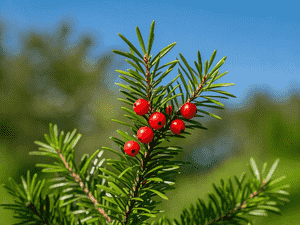
1
The common yew is an evergreen tree, offering continuous foliage for your garden throughout the year.
2
It responds well to shaping and trimming, making it an excellent choice for creating hedges and topiary forms.
3
Beyond its visual charm, the common yew also contributes to ecological diversity.
Introducing the Common Yew in Garden Design
Appreciating the distinctive visual charm of Common yew
To elevate your garden's appearance, the Common yew stands out with its deep green leaves and graceful form. Its evergreen nature guarantees your outdoor space stays vibrant throughout the year. Furthermore, its thick foliage offers a refined texture and a rich backdrop that complements other plants. Whether your preference is for a formal or informal garden layout, the Common yew brings a classic elegance to any outdoor setting.
Why opt for Common yew in your garden?
The Common yew provides numerous advantages for gardening enthusiasts. Its tolerance for pruning makes it adaptable for various landscaping styles, from neat border hedges to whimsical topiary creations. Moreover, the Common yew is robust and flourishes in diverse soil types and climate conditions, making it a dependable option for many gardeners. If you seek a plant that is both attractive and practical, the Common yew certainly fits the description.
Integrating Common Yew into Your Landscape Plan
Optimal placements for Common yew within your garden layout
When deciding where to position Common yew, consider areas where it can serve as both a focal point and a functional element. Ideal spots include garden edges, pathways, and entrances. Strategic placement of Common yew can direct the eye through the landscape, add depth, and establish structure in your garden. Also, its shade tolerance means it can prosper in both sunny and partially shaded locations, offering flexible planting choices.
Companion plants for Common yew: Boosting variety
Pairing Common yew with suitable companion plants can enhance your garden's overall biodiversity and beauty. Consider planting shade-loving perennials like hostas or ferns beneath it to create a lush ground layer. Flowering plants such as azaleas or rhododendrons can introduce seasonal color and contrast against the Common yew's dark green. This variety not only heightens visual appeal but also supports a healthy garden ecosystem by attracting pollinators and beneficial insects.
Seasonal Considerations for Common Yew
What to anticipate from Common yew across different seasons
A significant benefit of having Common yew in your garden is its consistent appeal year-round. In spring and summer, its abundant foliage provides a deep green canvas for seasonal blooms to shine. During autumn, while many plants shed leaves, Common yew retains its verdant look, offering steadfast greenery. In winter, it becomes a focal point against a potentially barren landscape, adding structure and interest during colder months. Understanding these seasonal behaviors will aid in better planning your landscape around Common yew.
Preparing Common yew for seasonal transitions
To maintain Common yew's health throughout the seasons, certain care tasks are crucial. In spring, check for any winter damage and prune as needed to encourage new growth. Summer is ideal for shaping and ensuring adequate water during dry spells. During autumn, clear away any fallen debris to prevent fungal issues. Winterizing Common yew might involve mulching around its base to shield roots from extreme cold. Proper seasonal care ensures Common yew remains a strong and attractive feature in your garden.
Long-Term Advantages of Common Yew in Your Garden
How Common yew contributes to the ecosystem over time
Beyond its visual appeal, Common yew plays a vital role in supporting the garden's ecosystem. Its dense foliage offers shelter and nesting sites for birds, fostering avian diversity. The plant also provides a habitat for beneficial insects and wildlife, which can help maintain ecological balance in your garden. Over the years, as Common yew matures, its presence cultivates a thriving, biodiverse environment.
The lasting influence of Common yew on landscape aesthetics
Common yew boasts a long lifespan, often thriving for centuries, and its enduring presence adds historical and aesthetic value to landscapes. As it grows, its size and shape can be adapted to suit evolving garden designs through careful pruning. This versatility, coupled with its timeless beauty, ensures that Common yew will remain a cherished part of your landscape for generations, enriching both the visual and ecological aspects of your garden.
Preserving the Health and Beauty of Common Yew
Advice for routine upkeep of Common yew
Regular maintenance is essential for keeping Common yew in prime condition. Prune annually to shape and manage its growth, removing any dead or diseased branches. Ensure it receives sufficient water, especially during dry periods, but avoid waterlogging. Mulching around its base helps retain moisture and regulate soil temperature. Applying a balanced, slow-release fertilizer in early spring can promote vigorous growth. Consistent care routines will help Common yew flourish and remain a stunning element in your landscape.
Indicators of health to observe in Common yew
Monitoring Common yew for health concerns is critical for prompt intervention. A healthy Common yew exhibits vibrant green foliage and consistent new growth. Look out for signs of distress such as yellowing needles, sparse foliage, or visible pests. Early detection of problems like fungal diseases or pest infestations allows for quick treatment, preserving the plant's health. Regularly inspect the plant to ensure it stays in optimal condition, guaranteeing its longevity and beauty in your garden.



