Enhancing Your Garden Design with the Common tansy Plant: A Landscaping Guide
1
Tansy, a common plant, offers lively hues and interesting textures to your garden during its active growth.
2
Selecting suitable companion flora for Common tansy helps establish a harmonious and unified garden aesthetic.
3
Regular upkeep of Common tansy guarantees its continued health and extended presence in your garden.
Introducing Common Tansy in Landscape Design
Understanding Common Tansy's role in landscape planning
Integrating Common Tansy into your landscape scheme can transform a dull garden into a lively and visually engaging area. As a perennial, Common Tansy offers distinct texture and color, making it ideal for border plantings or as a filler among other plants. Its vigorous growth and striking foliage provide a pleasing contrast to many other species, simplifying your garden layout while achieving a dynamic look.
The visual impact of Common Tansy in garden settings
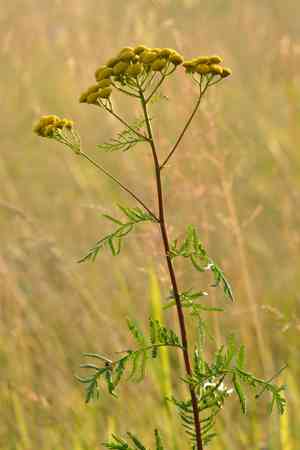
Common Tansy stands out with its vibrant green leaves and bright yellow blooms, creating a strong visual statement in any garden. The clusters of button-like flowers produce a captivating effect, drawing the eye and adding a cheerful atmosphere. Placed thoughtfully, Common Tansy can act as a natural divider or backdrop, enhancing the overall beauty without dominating your garden's existing features.
Integrating Common Tansy with Other Flora
Selecting companion plants for Common Tansy
For a cohesive garden, it's vital to choose companion plants that complement Common Tansy. Select species that thrive in similar conditions, such as full sun and well-drained soil. Consider pairing Common Tansy with plants offering contrasting textures and colors, like ornamental grasses, purple coneflowers, or lavender, to add visual depth and interest. Additionally, choosing plants that flower at different times ensures your garden remains appealing throughout the growing season.
Design tips for a harmonious plant arrangement
When arranging Common Tansy with other plants, consider their height, texture, and color to create a balanced layout. Position taller plants like Common Tansy towards the rear of your garden beds, or use them as a natural screen. Group plantings in odd numbers for a more organic appearance, and alternate clump placements to avoid a rigid look. Incorporating pathways and focal points can guide the viewer's gaze and enhance the garden experience.
Seasonal Considerations for Common Tansy
Optimal planting times for Common Tansy
The best time to plant Common Tansy is during the cooler periods of early spring or autumn. Planting in early spring allows it to establish strong roots before summer heat, while fall planting benefits from cooler temperatures and more consistent moisture. These seasons enable Common Tansy to adapt to its new environment, promoting robust growth and a thriving garden display.
How seasonal changes affect Common Tansy's appearance
Throughout the year, Common Tansy undergoes changes that can enhance your garden's look. In spring, new foliage emerges, providing a fresh, lush backdrop. By summer, Common Tansy produces its iconic yellow flowers, adding a vibrant display. As autumn nears, its foliage often takes on richer hues, adding warmth to the garden before dormancy. Understanding these seasonal shifts helps you plan and maintain a visually interesting garden year-round.
Creating Focal Points with Common Tansy
Methods for making Common Tansy a central feature
Creating garden focal points with Common Tansy involves strategic placement and thoughtful design. One effective method is to plant Common Tansy in clusters or drifts, ensuring its bright flowers and textured foliage capture attention. You can also use Common Tansy to anchor a key feature, such as a garden bench, birdbath, or sculpture, making it a natural centerpiece. Height variation is another powerful tool—using elevated planters or slight mounds can bring Common Tansy into the spotlight.
Balancing the garden's layout with Common Tansy as a focal point
To achieve balance in your garden with Common Tansy as a focal point, consider principles of symmetry and proportion. Position Common Tansy at strategic intervals or use it to frame key garden features, ensuring it provides a visual anchor without overwhelming other elements. Combining Common Tansy with a mix of shorter and taller plants creates layers and depth, fostering a cohesive and well-planned garden design. Balancing color and texture among various plants also contributes to a harmonious garden aesthetic.
Maintenance Tips for Sustainable Common Tansy Growth
Routine care practices for healthy Common Tansy plants
Maintaining Common Tansy in your garden involves several routine practices to ensure its healthy growth. Regular watering, especially during dry spells, keeps the soil consistently moist but not waterlogged. Mulching around the base of Common Tansy helps retain moisture, suppress weeds, and stabilize soil temperatures. Pruning spent flowers not only keeps the plant tidy but also encourages further blooming and vitality. Monitoring for pests and diseases and addressing them promptly can prevent potential damage.
Natural ways to foster Common Tansy's longevity in a garden
To promote the longevity of Common Tansy in your garden, consider adopting natural and sustainable practices. Enrich the soil with organic compost to provide essential nutrients and improve soil structure. Companion planting with beneficial plants, such as marigolds or nasturtiums, can naturally deter pests. Rotating plant placements seasonally or yearly helps prevent soil depletion. These methods not only support the well-being of Common Tansy but also contribute to a healthier, more resilient garden ecosystem.



