Enhancing Your Garden Design with the Tamarind Plant: A Landscaping Guide
1
Tamarind provides visual appeal and ecological advantages to any landscape.
2
Make sure Tamarind receives sufficient light, shielding it from severe conditions.
3
Combine Tamarind with suitable companions for a balanced garden aesthetic.
Introducing Tamarind in Landscape Design
Overview of Tamarind's unique characteristics and origins
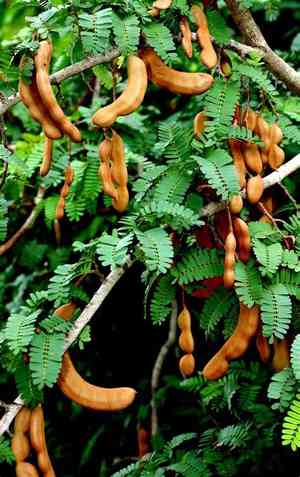
Tamarind, recognized for its lively, green foliage and distinct fruit pods, originates from tropical Africa. Its expansive canopy offers ample shade, making it a favored option for gardeners aiming to integrate both aesthetic appeal and utility into their outdoor spaces. With its deep root system and drought resilience, Tamarind is well-suited for diverse climates, establishing it as a versatile addition to gardens globally.
Benefits of integrating Tamarind into your landscape
Incorporating Tamarind into your landscape provides numerous advantages. Its dense foliage delivers excellent shade, decreasing the need for artificial cooling in adjacent areas. Furthermore, Tamarind is renowned for its rich, dark wood, which can impart a touch of sophistication and permanence to any garden. The tree's capacity to flourish with minimal water once established makes it an environmentally friendly selection for sustainable gardening.
Selecting the Ideal Location for Tamarind
Assessing sunlight and shade requirements for Tamarind
Tamarind thrives in full sunlight but can also endure partial shade. It's crucial to select a location where the tree will receive at least six hours of direct sunlight daily. You should also ensure that the site is not susceptible to excessive wind, which can harm the delicate branches and leaves of the young tree.
Preferred soil types for Tamarind
Tamarind favors well-draining, slightly acidic to neutral soil. While it can tolerate a range of soil types, from sandy to loamy, ensuring proper drainage is vital to prevent root rot. Incorporating organic compost can improve soil structure and supply essential nutrients for healthier growth.
Water drainage considerations specific to Tamarind
While Tamarind is drought-tolerant, adequate water drainage is crucial for its well-being. Avoid planting Tamarind in low-lying areas where water tends to collect. If your soil's drainage is insufficient, consider constructing a raised bed or mounding the soil to allow excess water to flow away from the root zone.
Integrating Tamarind into Your Garden Layout
Harmonizing Tamarind with your garden's aesthetic
Tamarind's majestic appearance and spreading canopy can complement various garden styles, from tropical to traditional. Consider the overall theme of your garden - whether it's a tranquil Japanese garden or a vibrant cottage garden - and position Tamarind as a central feature. Its substantial size and striking presence can anchor your garden design, fostering a cohesive and harmonious look.
Companion plants that complement Tamarind
Pairing Tamarind with complementary plants can amplify its visual impact. Consider underplanting it with shade-tolerant ground covers like ferns or hostas, which flourish in the dappled light beneath Tamarind's canopy. Flowering plants such as hibiscus or plumeria can introduce bursts of color, creating a lively and balanced landscape.
Seasonal Maintenance for Tamarind
Seasonal care advice to ensure Tamarind thrives
To ensure Tamarind flourishes throughout the year, adjust your care routine according to the season. During the active growth period, consistent watering and mulching are essential to maintain soil moisture. Prune any dead or diseased branches to encourage robust growth. In the colder months, reduce watering, as Tamarind enters a dormant phase and requires less moisture.
Preparing Tamarind for challenging weather conditions
Adverse weather can present difficulties for maintaining Tamarind. In regions with strong winds, consider utilizing windbreaks or planting Tamarind in a protected location. For areas prone to frost, safeguard young trees with frost cloths or similar coverings. Regularly monitoring the tree's health and promptly addressing pests or diseases can also prevent weather-related stress.
The Aesthetic and Practical Advantages of Tamarind
How Tamarind enhances the visual appeal of outdoor areas
Tamarind's lush canopy and distinctive pods add unique visual charm to any garden. Its large, spreading branches create a grand, imposing look, making it an excellent choice for establishing focal points in landscape design. The contrast between its green leaves and brown pods can add depth and variety to your garden's color palette.
Environmental benefits of selecting Tamarind
Choosing Tamarind for your landscape also offers environmental advantages. Its extensive root system helps prevent soil erosion, while its ability to fix nitrogen improves soil fertility. Moreover, Tamarind provides valuable habitat for birds and other wildlife, promoting biodiversity in your garden. Its drought tolerance further conserves water, making it a sustainable option for eco-conscious gardeners.



