Enhancing Your Garden Design with the French marigold Plant: A Landscaping Guide
1
Tagetes patula is ideal for introducing vivid hues and substantial density to any outdoor space.
2
This plant requires minimal upkeep, making it suitable for both beginner and seasoned horticulturists.
3
French marigold draws in helpful insects, fostering a more robust garden environment.
Introduction: The Role of French Marigold in Landscape Design
Understanding the Visual Appeal of French Marigold
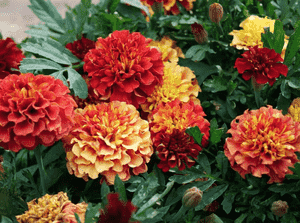
The visual charm of French marigold in garden design is undeniable. Its lively blossoms, in shades of yellow, gold, and orange, create a brilliant spectrum of hues that invigorate any outdoor space. The intricate structure of each flower's petals adds depth and texture, making it a captivating focal point in any arrangement. The compact size and bushy growth habit of French marigold make it an excellent choice for borders, beds, and containers, enhancing visual interest and crafting harmonious, attractive garden layouts.
The Popularity of French Marigold in Modern Garden Settings
French marigold has seen a rise in popularity in contemporary landscaping due to its adaptability and resilience. Gardeners value its capacity to flourish in various soil types and diverse climatic conditions, making it a dependable option for a range of environments. Furthermore, its vibrant colors and continuous flowering from spring through autumn make it a favorite for achieving dynamic and colorful garden areas. Its hardiness and impressive display have established French marigold as a staple in current garden designs globally.
Advantages of Incorporating French Marigold into Your Garden
Enhancing Color and Texture
French marigold is renowned for its capacity to boost garden color and texture. The intense shades of its flowers stand out against green foliage, creating striking color contrasts that elevate the garden's visual appeal. The textural diversity in its petals, ranging from single to semi-double and fully double blooms, adds layers and intricacy to garden aesthetics. This characteristic makes French marigold an excellent choice for gardeners aiming to infuse their spaces with lively and varied visual elements.
Minimal Upkeep Requirements
One of the significant benefits of including French marigold in your garden is its minimal maintenance needs. It is a robust plant that tolerates a variety of soil types and moisture levels, requiring little care to thrive. Regular watering and occasional deadheading to remove spent flowers are typically sufficient to keep French marigold looking its best. This makes it an ideal plant for busy gardeners or those new to gardening, who desire beautiful gardens without demanding upkeep.
Attracting Beneficial Insects
French marigold is not only attractive but also highly beneficial for garden health. It draws in helpful insects like bees and ladybugs, which aid in pollination and pest control. The presence of these insects can lead to a more balanced and flourishing garden ecosystem. Additionally, French marigold's ability to deter certain harmful pests makes it a valuable companion plant in vegetable gardens, contributing to the overall health and productivity of your garden.
Integrating French Marigold into Various Garden Styles
Cottage Gardens
French marigold fits perfectly into the charming, informal style of cottage gardens. Its bright flowers can be intermingled with other blooming plants like daisies and roses, creating a rich tapestry of colors and textures. Planting French marigold in clusters or drifts can enhance the whimsical, naturalistic feel of a cottage garden, while its compact growth helps keep the garden tidy and manageable. The plant's vibrant blooms offer an inviting and cheerful ambiance, characteristic of cottage garden aesthetics.
Formal Landscapes
In formal landscapes, French marigold can be utilized to create structured and symmetrical designs. Its uniform growth and bright, consistent flowers are ideal for edging pathways, framing garden beds, or forming geometric patterns. For a formal appearance, consider using French marigold to line walkways or create low hedges that define distinct garden areas. Its controlled height and predictable blooming patterns ensure that formal landscapes maintain their orderly and sophisticated look while benefiting from a burst of color.
Contemporary Designs
Contemporary garden designs greatly benefit from the inclusion of French marigold. Its bold colors and textural variety add visual interest, complementing the clean lines and modern materials typical of contemporary gardens. Plant French marigold in sleek containers or raised beds to highlight its vibrant blooms against minimalist backgrounds. Combining French marigold with ornamental grasses and other modern plants can create striking contrasts that enhance the sleek, modern aesthetic of contemporary landscape designs.
Seasonal Considerations for French Marigold
Optimal Planting Times for French Marigold
For best results, French marigold should be planted after the last frost in spring. This timing ensures that young plants are not exposed to freezing temperatures, which can impede their growth. Planting in the spring allows French marigold to fully utilize the warm growing season, leading to vigorous growth and abundant blooms throughout the summer and into the fall. Starting seeds indoors a few weeks before the last frost can also give plants a head start, ensuring a robust and extended display of flowers.
Preparing for Seasonal Transitions
As the growing season concludes, preparing French marigold for seasonal changes is crucial for maintaining garden health. Deadhead any remaining blooms and clear the plant base to prevent the accumulation of dead material that can harbor pests and diseases. In regions with mild winters, French marigold may continue to offer some blooms, but it's often treated as an annual in colder climates, requiring replanting each spring. Saving seeds from mature plants can also provide a ready supply for the next growing season, ensuring your landscape remains vibrant year after year.



