Enhancing Your Garden Design with the Eastern skunk cabbage Plant: A Landscaping Guide
1
Grasping the distinct look of Eastern skunk cabbage allows you to utilize its unique characteristics in your garden design.
2
Incorporating Eastern skunk cabbage into different landscape designs brings a wild, natural beauty and variety to your outdoor areas.
3
Proper positioning of Eastern skunk cabbage is vital for both its aesthetic contribution and overall well-being.
Exploring the Distinctive Appearance of Eastern Skunk Cabbage
Introduction to the unique characteristics of Eastern skunk cabbage
A thrilling aspect of incorporating Eastern skunk cabbage into your garden scheme is its singular look. This plant is recognized for its thick, cabbage-like leaves that can grow quite large, forming a lush, dense ground cover. Its deep green foliage offers a vivid contrast to typical garden hues, making it an excellent choice for adding visual variety. Additionally, Eastern skunk cabbage emits a peculiar scent when its leaves are crushed, giving it its common name and providing a unique sensory element to your landscape.
Seasonal transformations of Eastern skunk cabbage and their aesthetic value
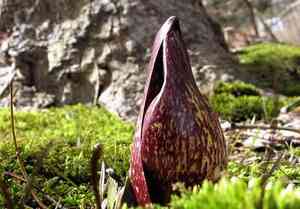
Eastern skunk cabbage provides dynamic visual interest throughout the year. In early spring, its large, purplish-brown flowers emerge, bringing early color to your garden before many other plants bloom. These flowers are followed by bright green, sprawling leaves that create a full, lush appearance during summer. As autumn nears, the leaves can turn a striking yellow, offering a brilliant splash of color before winter. This cycle ensures Eastern skunk cabbage remains a focal point in your landscape across all seasons.
Incorporating Eastern Skunk Cabbage into Various Garden Styles
Best practices for integrating Eastern skunk cabbage into formal gardens
Integrating Eastern skunk cabbage into formal garden settings demands careful planning and precise placement. Due to its large leaves and spreading habit, it functions best as a background plant or in mass plantings along paths and borders. The key is balance; too many can overwhelm the space, but a few strategically placed specimens can provide a lush, structured backdrop that enhances formality. Pair Eastern skunk cabbage with structured plants like boxwoods or hedges to maintain the formal aesthetic while enjoying its unique foliage.
Utilizing Eastern skunk cabbage in informal, naturalistic environments
Eastern skunk cabbage excels in informal and naturalistic garden settings where its robust and wild appearance can be fully appreciated. Thriving in moist, shaded areas, consider planting it along stream banks, ponds, or under large trees where other plants might struggle. Its ability to spread and fill spaces makes it ideal for creating a lush, woodland garden feel. Combine Eastern skunk cabbage with other native plants and wildflowers to create a habitat that feels both vibrant and harmonious with nature.
Placement and Positioning of Eastern Skunk Cabbage for Optimal Impact
Ideal locations to plant Eastern skunk cabbage for visual appeal
For maximum visual impact, plant Eastern skunk cabbage where its dramatic leaves and seasonal color changes can be fully appreciated. Key spots include along garden paths where visitors can get an up-close view of its unique foliage, as well as in shaded garden corners that need a vibrant pop of color. Placing Eastern skunk cabbage near water features or shaded areas with consistent moisture will not only support its growth but also add a natural, cohesive look to your landscape design.
Considerations for positioning Eastern skunk cabbage in your landscape
When positioning Eastern skunk cabbage in your landscape, consider its preference for moist, shaded environments. Ensure the planting site retains adequate moisture but also drains well to prevent root rot. It's also essential to leave enough space for the plant to spread, as overcrowding can lead to competition for nutrients and light, impacting growth. Furthermore, avoid placing Eastern skunk cabbage too close to seating areas, as its distinctive odor might be too strong for some garden visitors to enjoy.
Addressing Challenges with Eastern Skunk Cabbage in Landscaping
Common challenges and their solutions
A common challenge with Eastern skunk cabbage is managing its spread, as it can quickly take over flowerbeds if not contained. To control its growth, consider using barriers or containment strategies and regularly monitor its expansion. Another issue can be its strong odor; planting Eastern skunk cabbage downwind from popular garden areas can minimize exposure. Additionally, ensure it is planted in consistently moist areas to prevent drought stress.
Tips for maintaining the health of Eastern skunk cabbage in landscapes
Maintaining the health of Eastern skunk cabbage involves ensuring it has the right growing conditions and care. Regular watering, especially during dry periods, is crucial for keeping it healthy. Mulching around the plant can help retain soil moisture and reduce weed competition. Periodically checking for signs of pests or disease can also help address problems before they become severe. Lastly, if you need to transplant Eastern skunk cabbage, it's best done in early spring when the plant is just beginning to grow.



