Enhancing Your Garden Design with the Coralberry Plant: A Landscaping Guide
1
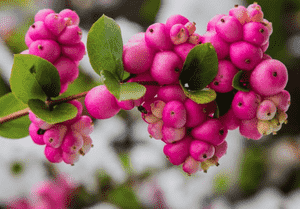
Coralberry provides vivid seasonal hues, boosting garden beauty throughout the year.
2
Plants that complement Coralberry with differing textures and shades can create a stunning effect.
3
Simple seasonal care ensures Coralberry remains robust and attractive in your outdoor space.
Landscape Design Concepts for Highlighting Coralberry
Suggestions for prominent placements and central features
Coralberry excels as a central element in diverse garden environments. Positioning it centrally in a flower bed or beside a path attracts attention and forms a natural gathering area. It also thrives beneath larger trees or as an accent near garden elements like birdbaths or seating. When used as a focal point, ensure it's encircled by compatible plants that emphasize its distinct characteristics without vying for notice.
Utilizing Coralberry in edgings and as ground cover
Coralberry is ideally suited for borders and as a ground cover, thanks to its dense, spreading growth pattern. For an impactful border, plant it along walkway edges or property boundaries. Its compact growth deters weeds and establishes a clear edge. As a ground cover, plant Coralberry in large groups to cover expansive areas. Its adaptability to various soil types makes it a practical option for preventing erosion on inclines or uneven ground.
Achieving harmony and scale with Coralberry
Preserving harmony and scale in your garden layout is vital for an attractive landscape. Ensure Coralberry's position and amount do not overshadow other garden components. Use it sparingly to enhance other plants and features. Consistent trimming helps maintain its form and promotes vigorous growth, keeping the garden neat. Account for Coralberry's mature dimensions when planning your design to prevent congestion and guarantee ample space for each plant to thrive.



