Enhancing Your Garden Design with the West indian mahogany Plant: A Landscaping Guide
1
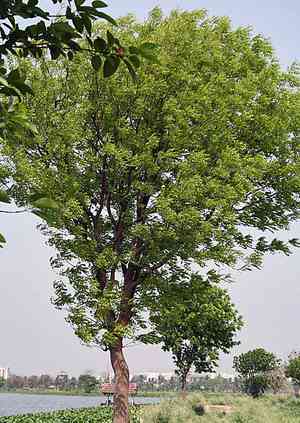
West Indian mahogany is recognized for its distinct visual charm and versatility, making it a favored option across diverse landscaping designs.
2
West Indian mahogany contributes significantly to enhancing air purity and offering crucial shade.
3
Integrating West Indian mahogany into your outdoor design can foster local ecological diversity and aid in environmentally friendly landscaping methods.
Introducing West Indian Mahogany to Your Landscape
An overview of its distinct beauty and adaptability.
West Indian mahogany is prized for its unique look, characterized by its rich, dark timber and lush, green leaves. These attributes make it a striking feature in any outdoor setting. Its ability to adapt to various soil types and weather conditions further boosts its appeal. Whether you have a large estate or a small garden, West Indian mahogany can flourish and add sophistication to your space. Its versatility allows it to fit seamlessly into traditional, modern, or even tropical-themed designs.
Briefly noting its widespread use in various garden designs.
The popularity of West Indian mahogany extends across numerous landscaping styles. In formal gardens, it can be shaped into impressive forms that capture attention. In more relaxed, natural environments, its organic growth pattern adds a sense of abundance and vitality. The tree is also a favorite in urban settings, where its hardy nature helps it endure the challenges of city life.
West Indian Mahogany's Contribution to Ecological Services
Enhancing air quality and offering shade.
West Indian mahogany significantly improves air quality by absorbing pollutants and releasing oxygen. This makes it an excellent option for urban areas struggling with pollution. Additionally, the broad canopy of West Indian mahogany provides ample shade, which can lower temperatures and create a pleasant atmosphere for outdoor activities. This shade can also help protect other plants in your garden from excessive sun and heat.
Boosting biodiversity by supporting local fauna.
West Indian mahogany supports local wildlife, serving as a home for various birds, insects, and small mammals. Its blossoms attract pollinators like bees and butterflies, contributing to the overall health of your garden's ecosystem. By planting West Indian mahogany, you not only improve the visual appeal of your landscape but also contribute to regional biodiversity, supporting many species that depend on native trees for survival.
Designing with West Indian Mahogany: Optimal Placement and Visual Appeal
Identifying prime spots in your garden for West Indian mahogany.
When planning your landscape with West Indian mahogany, consider placing it where it can be a central feature, such as in the middle of a lawn or alongside a driveway. Its impressive size and rich foliage can create a powerful visual statement. Ensure the location provides enough room for its mature size to prevent overcrowding and ensure optimal health. Pairing it with other plants that thrive in similar conditions can also create a harmonious garden design.
Companion plants that complement West Indian mahogany.
West Indian mahogany pairs well with a variety of plants that flourish in similar environments. Consider understory plants like ferns, hostas, or shade-loving perennials that can highlight its beauty while benefiting from the shade it provides. Flowering shrubs and groundcovers can also add layers of color and texture, creating a cohesive and vibrant landscape.
Using West Indian mahogany to create natural privacy screens or focal points.
West Indian mahogany can be strategically positioned to form natural privacy barriers, shielding your outdoor space from curious glances. Its dense foliage acts as an effective screen, offering seclusion and peace. Additionally, using West Indian mahogany as a focal point in your design can draw attention and create visual interest. Whether it's a single standout tree or a cluster, West Indian mahogany can anchor your landscape design and provide a sense of structure.
Care Guidelines for West Indian Mahogany in a Landscaped Setting
General advice on light and soil preferences.
West Indian mahogany thrives in full sun but can tolerate partial shade. It prefers well-drained, loamy soils but is adaptable to a range of soil types, including sandy and clay soils. Regularly testing your soil and enriching it with organic matter can help ensure ideal growth conditions. Pay attention to the planting site's drainage to avoid waterlogging, which can be harmful to West Indian mahogany.
Recommended watering frequency.
While West Indian mahogany is relatively drought-tolerant once established, it benefits from consistent watering, especially during dry periods. Water deeply and infrequently to encourage deep root development. When planting a new West Indian mahogany, ensure a regular watering schedule to help it establish a strong root system. Mulching around the base can help retain soil moisture and reduce the need for frequent watering.
Pruning times and methods specific to West Indian mahogany.
Pruning is crucial for maintaining the shape and health of West Indian mahogany. The best time to prune is during its dormant period, typically late winter to early spring. Remove any dead, diseased, or crossing branches to promote air circulation and prevent pest infestations. Regularly thinning out the canopy can help ensure that sunlight reaches the inner branches and prevents overcrowding.
Lasting Advantages and Sustainability of Incorporating West Indian Mahogany
The resilience and longevity of West Indian mahogany in various climates.
West Indian mahogany is known for its durability and can thrive in a wide array of climates, making it a robust choice for diverse landscapes. Its hardy nature means that once established, it requires minimal upkeep. This longevity makes it a valuable investment for enhancing your landscape over the long term.
Benefits of utilizing West Indian mahogany for eco-friendly landscaping practices.
Integrating West Indian mahogany into your landscape supports sustainable gardening practices. Its ability to improve air quality and provide habitat for wildlife contributes to a healthier environment. Furthermore, West Indian mahogany's minimal water requirements once established make it an eco-conscious choice, especially in areas prone to drought. By selecting West Indian mahogany, you are promoting a sustainable future through thoughtful landscaping.



