Enhancing Your Garden Design with the Japanese Snowbell Plant: A Landscaping Guide
1
The Japanese Snowbell provides aesthetic appeal throughout the year, showcasing flowers in spring and vibrant foliage in fall.
2
The Japanese Snowbell needs little upkeep, making it perfect for gardeners of any skill level.
3
The Japanese Snowbell benefits local fauna, contributing ecological advantages to your outdoor space.
Introducing Japanese Snowbell to Your Garden
Why Choose Japanese Snowbell for Your Landscape?
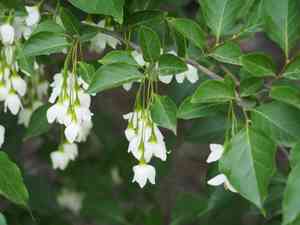
Selecting Japanese Snowbell for your outdoor space is a choice focused on boosting your garden's aesthetic appeal and ecological well-being. This deciduous tree showcases lovely, bell-shaped blossoms that hang gracefully, emitting a subtle scent that draws in pollinators like bees and butterflies. Its striking look not only offers visual delight but also positively impacts biodiversity. Moreover, Japanese Snowbell adapts well to various soil types, making it a flexible option for diverse garden conditions.
Ideal Placement Ideas for Japanese Snowbell
When positioning Japanese Snowbell in your garden, consider spots where its splendor can be fully appreciated. Near patios or seating areas, it can offer filtered shade and a stunning view for unwinding. Along garden paths, it forms captivating walkways with its arching branches. Furthermore, planting Japanese Snowbell as an understory tree among larger shade trees can mimic its natural environment, fostering a layered and dynamic landscape.
Visual Impact of Japanese Snowbell in Landscaping
Seasonal Beauty: What to Expect Throughout the Year
The allure of Japanese Snowbell transforms with the seasons, ensuring your garden remains captivating year-round. In spring, it erupts into a cascade of white or pink flowers, turning the tree into a spectacle of delicate blooms. Summer brings lush, green foliage that can provide a cooling canopy. As autumn nears, the leaves shift to shades of yellow and orange, adding warm tones to your garden. Even in winter, its attractive bark and intriguing branch structure maintain visual interest.
Complementary Plants for Japanese Snowbell
Pairing Japanese Snowbell with companion plants can heighten its beauty and create a unified garden design. Ground covers like hostas and ferns thrive beneath its shade, adding texture and variety. For extra color, consider planting hydrangeas or azaleas nearby, which can bloom in harmony with Japanese Snowbell. Ornamental grasses also make an excellent choice, providing contrast with their slender foliage and dynamic movement.
Practical Benefits of Incorporating Japanese Snowbell in Outdoor Spaces
Environmental Advantages
Japanese Snowbell is more than just a pretty face; it offers several ecological benefits. Its flowers attract pollinators, supporting local ecosystems and promoting biodiversity. The tree's root system helps prevent soil erosion, making it a stabilizing addition to slopes or uneven terrain. Additionally, Japanese Snowbell can improve air quality by absorbing pollutants and producing oxygen, creating a healthier environment for you and your family.
Maintenance and Longevity
One of the appeals of Japanese Snowbell is its low maintenance needs, making it an excellent choice for busy gardeners. Once established, it requires minimal pruning and is relatively pest-resistant. Regular watering during dry spells and an annual application of mulch can keep Japanese Snowbell thriving for years. Its longevity means you'll be able to enjoy its beauty and benefits for decades, providing lasting value to your landscape.
Creative Uses of Japanese Snowbell in Different Landscape Styles
Modern Landscaping
In modern landscape designs, Japanese Snowbell can add a touch of natural elegance. Its clean lines and structured form complement sleek, contemporary spaces. Plant Japanese Snowbell in a minimalist garden to soften hardscapes like concrete or stone. Its blossoms can introduce subtle color to predominantly green landscapes, adding interest without overwhelming the design. Additionally, Japanese Snowbell pairs well with sculptural elements and water features, enhancing the modern aesthetic.
Traditional Garden Settings
Japanese Snowbell fits seamlessly into traditional garden settings, where its classic beauty can shine. In cottage gardens, it blends effortlessly with perennial borders and mixed plantings, adding charm and vertical interest. In formal gardens, Japanese Snowbell can be used to frame entrances or create focal points with its elegant flower clusters. Its timeless appeal makes it a versatile addition to any traditional design, where it can enhance the overall harmony and balance.



