Enhancing Your Garden Design with the Celandine poppy Plant: A Landscaping Guide
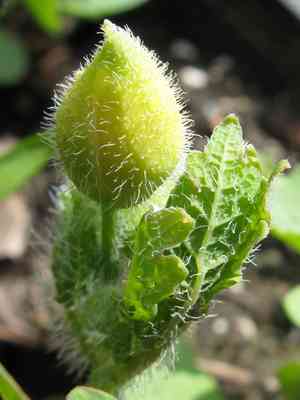
1
The Celandine poppy is an easy-to-care-for plant, ideal for novice gardeners.
2
Optimal growth for Celandine poppy occurs in areas with partial shade.
3
Celandine poppy contributes to both the beauty and environmental well-being of your garden.
Why Opt for Celandine Poppy in Your Garden?
Inherent Visual Charm
A key attribute of Celandine poppy is its inherent visual charm. It showcases vivid hues and a distinct leaf structure that can enrich any garden's appeal. Its blossoms are particularly striking, serving as focal points that attract attention and foster a balanced look in both classic and modern garden designs. Including Celandine poppy can transform an ordinary garden into an enchanting outdoor space.
Minimal Upkeep Requirements
For gardeners aiming to enhance beauty without constant effort, Celandine poppy is an excellent selection. This plant is recognized for its hardiness and capacity to flourish with little intervention. Infrequent watering and basic trimming are usually enough to maintain its well-being. This makes Celandine poppy an ideal choice for busy homeowners or gardening novices who may lack the time or expertise for more demanding plants.
Advantages for Local Ecosystems
Beyond its visual appeal and ease of care, Celandine poppy offers significant benefits to the local ecosystem. It draws in pollinators like bees and butterflies, thereby boosting biodiversity in your garden. Furthermore, Celandine poppy can provide a habitat for various beneficial insects and wildlife. By planting Celandine poppy, you contribute to the ecological health of your area, fostering a healthier environment for flora, fauna, and humans alike.
Optimal Placement of Celandine Poppy in Your Landscape
Selecting the Appropriate Spot
Correct placement is crucial for maximizing the beauty and vitality of Celandine poppy in your garden. Begin by choosing a location that complements your landscape's overall design. Celandine poppy performs well along garden edges, in woodland settings, or as part of mixed plantings. Ensure the chosen site offers ample room for the plant to reach its mature size without overcrowding nearby plants.
Considerations for Sunlight and Shade
Celandine poppy thrives best in partially shaded areas, making it a versatile addition to gardens with varied light conditions. While it can endure some direct sun, excessive exposure can stress the plant. A spot with morning sun and afternoon shade or filtered light throughout the day is perfect. This balance will help Celandine poppy flourish, effectively displaying its lovely blooms and lush foliage.
Companion Plants for Celandine Poppy
To create a visually pleasing and harmonious garden, it's important to consider which other plants will complement Celandine poppy. Pair it with perennials or shrubs that share similar light and soil needs. Plants with contrasting foliage or flowers, such as hostas or ferns, can enhance the overall aesthetic. The goal is to establish a balanced and dynamic landscape where Celandine poppy can shine alongside its companions.
Design Suggestions for Incorporating Celandine Poppy into Your Garden
Creating Color Contrasts
An effective design approach is to utilize Celandine poppy to introduce color contrasts in your garden. Its bold, vibrant flowers can stand out beautifully against green foliage or more subdued tones. Pairing it with plants that have complementary or contrasting colors can add visual interest. Consider your garden's color scheme and how Celandine poppy's hues can enhance or highlight other elements in the landscape.
Layering with Heights and Textures
To add depth and dimension to your garden, consider layering Celandine poppy with plants of varying heights and textures. Position taller plants behind Celandine poppy and shorter ground covers in front to create a tiered effect. Incorporating a mix of foliage types can also add visual interest, making your garden appear fuller and more diverse. This method not only improves aesthetics but also creates a more dynamic and engaging outdoor space.
Seasonal Considerations
When planning your garden, it's important to account for seasonal changes that may impact Celandine poppy. This plant typically blooms in spring, so consider what other flowers or plants will be in bloom concurrently. Including perennials that flower at different times can ensure continuous color and interest throughout the growing season. Additionally, think about how Celandine poppy will fit into the garden's winter landscape when its flowers are not present.
Maintenance Advice for Celandine Poppy in Landscaping
Watering Guidelines
While Celandine poppy is relatively low-maintenance, proper watering is essential for its health. Generally, it requires moderate irrigation, especially during dry periods. The soil should remain consistently moist, but not waterlogged. A good rule of thumb is to water when the top inch of soil feels dry to the touch. Deep watering sessions are more beneficial than frequent light watering, as they promote deeper root development.
Managing Overgrowth
To prevent Celandine poppy from becoming overgrown and encroaching on other plants, regular pruning is advised. Trim back any dead or untidy foliage after the blooming period. This not only keeps the plant looking neat but also encourages new growth. If Celandine poppy spreads more than desired, you can divide the plant in the fall or early spring, using the divisions to fill other parts of your garden or share with friends.
Seasonal Care Routines
Seasonal care is crucial to maintain the health and appearance of Celandine poppy. In the spring, apply a balanced fertilizer to support new growth and flowering. During the summer, monitor for pests and diseases, addressing any issues promptly. In the fall, add a layer of mulch around the base to protect the roots from winter cold. These routines help ensure that Celandine poppy remains a vibrant and healthy part of your garden year-round.



