Enhancing Your Garden Design with the Hairy feathergrass Plant: A Landscaping Guide
1
Nassella tenuissima adds a refined element to contemporary and classic garden designs.
2
Nassella tenuissima tolerates dry conditions, making it perfect for water-wise landscaping.
3
Strategic positioning of Nassella tenuissima can ensure continuous aesthetic appeal in your outdoor space.
Introducing Hairy Feathergrass in Garden Design
Appreciating the visual charm of Hairy Feathergrass
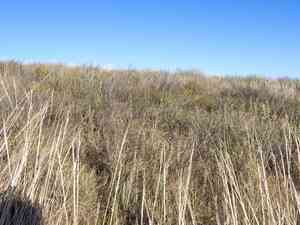
Hairy feathergrass offers a distinct visual allure to any outdoor space. Its delicate, hair-like leaves and airy flower plumes create a soft, flowing appearance that gently moves with the wind, bringing motion and a sense of calm to the garden. The plant's graceful shape and texture provide a striking contrast to more rigid or bold plants, making it an excellent choice for boosting visual interest and depth in your landscape design.
Brief overview of Hairy Feathergrass's growth patterns and visual traits
Hairy feathergrass grows in clusters, reaching heights of up to 1.5 meters and spreading about 0.5 meters. The plant features slender leaves and produces long, silky flower spikes from late summer to early autumn. These spikes begin green and mature to a golden shade, offering a vibrant color shift throughout the growing season. The plant's upkeep is relatively simple, requiring minimal trimming and showing resistance to most pests.
Integrating Hairy Feathergrass into Various Landscape Styles
Pairing Hairy Feathergrass with contemporary landscape designs
Hairy feathergrass integrates smoothly into modern landscape designs due to its minimalist and clean aesthetic. Its linear form and neutral color scheme complement contemporary garden elements such as geometric shapes, glass, and steel. Placing Hairy feathergrass alongside sleek pathways, stone sculptures, or water features can enhance the overall modernity of the space while adding a touch of natural softness.
Incorporating Hairy Feathergrass into classic garden layouts
Traditional gardens greatly benefit from the texture and movement that Hairy feathergrass provides. When combined with classic flowers like roses or hydrangeas, Hairy feathergrass offers a contrasting yet complementary backdrop. Additionally, it works well in cottage gardens, mixed borders, and alongside perennial beds, where its gentle form can soften the rigid lines of traditional garden plants.
Utilizing Hairy Feathergrass in xeriscape gardens for water conservation
Hairy feathergrass is an excellent option for xeriscape gardens due to its drought tolerance. Its ability to thrive in low-water conditions makes it ideal for drought-prone regions or for gardeners aiming to conserve water. Pairing Hairy feathergrass with other drought-tolerant plants such as succulents and native wildflowers can create a visually appealing, low-maintenance landscape that saves water without sacrificing beauty.
Optimizing Hairy Feathergrass Placement in Your Yard
Where to position Hairy Feathergrass for maximum visual impact
To maximize the visual impact of Hairy feathergrass, consider its placement in areas where its graceful movement and texture will be most appreciated. Ideal spots include borders of walkways, as a backdrop in flower beds, or as a focal point in small groupings. Placing Hairy feathergrass where it can catch the light and sway in the breeze will highlight its distinctive characteristics.
Considerations for sunlight and soil conditions
Hairy feathergrass thrives in full sun but can tolerate partial shade. It's important to plant it in well-drained soil to prevent root rot. While it can adapt to a variety of soil types, sandy or loamy soils are preferable for optimal growth. Providing adequate space for its clumping growth habit will also ensure healthy development and reduce competition with surrounding plants.
Seasonal and Year-Round Advantages of Hairy Feathergrass
How Hairy Feathergrass enhances seasonal landscapes
Hairy feathergrass brings seasonal beauty to the garden, particularly in late summer and early fall when its flower spikes are in full bloom. The transition of its flower color from green to golden adds a dynamic aesthetic change, providing visual interest as the seasons shift. In winter, the dried flower heads and foliage can lend a rustic, natural look to the garden landscape.
Year-round benefits of having Hairy Feathergrass in your garden
Beyond its seasonal appeal, Hairy feathergrass offers year-round benefits. Its hardy nature ensures that it remains an attractive garden feature even during the off-season. Whether standing tall amid summer blooms or providing structure and texture in winter, Hairy feathergrass consistently enhances the visual interest and overall health of your garden environment.
Companion Plants for Hairy Feathergrass and Synergistic Effects
Best companion plants to pair with Hairy Feathergrass
Hairy feathergrass pairs well with a variety of companion plants that can enhance its form and texture. Ideal companion plants include lavender, salvia, and ornamental alliums, which provide complementary colors and bloom times. Additionally, pairing Hairy feathergrass with other grasses, such as blue fescue or switchgrass, can create a harmonious and visually appealing garden bed.
How companion plants can enhance the growth and beauty of Hairy Feathergrass
Companion plants can help enhance the growth and aesthetic value of Hairy feathergrass. For instance, partnering it with nitrogen-fixing plants, like legumes, can improve soil fertility, benefiting Hairy feathergrass and other garden plants. Moreover, selecting plants with differing heights and bloom periods can create a layered, dynamic garden landscape that highlights the unique features of each plant, including Hairy feathergrass.



