Enhancing Your Garden Design with the Bridal wreath spirea Plant: A Landscaping Guide
1
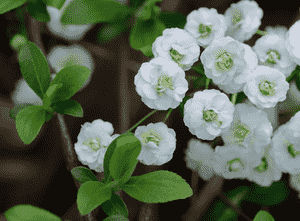
Spiraea prunifolia is recognized for its impressive, flowing bunches of white blooms that can enrich any outdoor space.
2
Placing Spiraea prunifolia in an appropriate spot can greatly improve the visual appeal and utility of your yard.
3
Consistent care for Spiraea prunifolia helps guarantee its robust development and preserves its ornamental charm all year long.
Introducing Bridal Wreath Spirea to Your Landscape
Key characteristics of Bridal Wreath Spirea
Bridal wreath spirea is a deciduous shrub recognized for its elegant, arching stems and striking white blossoms that appear in spring. This plant can reach up to 6 feet in both height and width, making it a significant feature in any garden. Its foliage transforms into beautiful yellow or red hues in autumn, offering multi-season visual appeal. Bridal wreath spirea thrives in well-drained soil and tolerates both full sun and partial shade, providing flexibility for various garden environments.
Why Bridal Wreath Spirea is a popular choice for gardens
Gardeners appreciate Bridal wreath spirea for its beauty and relatively simple care. The plant's abundant flowering and graceful, arching branches give it a unique look that can serve as a captivating focal point in outdoor spaces. Furthermore, Bridal wreath spirea is drought-tolerant once established and adapts to diverse soil types, making it an excellent option for low-maintenance gardens. Its ability to attract pollinators like bees and butterflies also enhances its appeal for eco-conscious gardeners.
Designing with Bridal Wreath Spirea: Blending Beauty and Practicality
Choosing the ideal spot for Bridal Wreath Spirea
Selecting the correct placement for Bridal wreath spirea is vital for its best growth and aesthetic impact. Ideally, Bridal wreath spirea should be planted where it receives full sun to partial shade, as this encourages optimal flowering. Ensure the soil drains well to prevent root rot, which can occur in overly moist conditions. Positioning Bridal wreath spirea near paths or borders can highlight its lovely, cascading blooms and allow for easy viewing and enjoyment.
Using Bridal Wreath Spirea as a garden centerpiece
Bridal wreath spirea can act as a stunning focal point in garden designs due to its impressive floral display and elegant form. Placing it in key areas such as the center of a flower bed, along patio edges, or close to entrances can create striking visual anchors. Pairing Bridal wreath spirea with complementary plants that bloom at different times can ensure continuous color throughout the growing season, enhancing your garden's overall beauty.
Tips for creating a cohesive design with other plants
When planning your garden with Bridal wreath spirea, consider incorporating plants with varied textures, colors, and heights to achieve a balanced and harmonious look. For example, planting low-growing ground covers or ornamental grasses at the base of Bridal wreath spirea can emphasize its stature and shape. Additionally, selecting companion plants with contrasting foliage, such as evergreens or dark-leaved shrubs, can make Bridal wreath spirea's white blooms stand out even more dramatically. Ensure that your chosen plants have similar soil and sunlight requirements to maintain a healthy garden ecosystem.
Seasonal Considerations for Bridal Wreath Spirea
Optimal planting times for Bridal Wreath Spirea
While Bridal wreath spirea can be planted at various times throughout the year, the best periods are typically early spring or fall. Spring planting allows the shrub to establish its root system before summer heat, while fall planting benefits from cooler temperatures and often moist soil. These timing strategies help ensure the plant establishes well and thrives robustly in the subsequent growing season.
Understanding Bridal Wreath Spirea's flowering cycle
Bridal wreath spirea is renowned for its spectacular spring bloom, where its branches become covered with small, white, double flowers. The flowering period usually lasts several weeks, offering a magnificent display. Understanding this cycle enables gardeners to plan their landscapes accordingly, ensuring that Bridal wreath spirea's peak bloom coincides with other seasonal garden highlights. Removing spent blooms can sometimes encourage a second, smaller flowering period.
Preparing Bridal Wreath Spirea for diverse weather conditions
Preparing Bridal wreath spirea for different weather conditions is crucial for its ongoing health and vibrancy. In regions with harsh winters, applying a layer of mulch around the plant's base can protect its roots from freezing temperatures. During dry spells, especially in summer, occasional deep watering will help maintain its health. In areas prone to heavy rainfall, ensuring proper drainage around Bridal wreath spirea is vital to prevent waterlogged soil and potential root rot.
Maintenance Guidelines for Bridal Wreath Spirea in Your Landscape
Routine care tasks for peak health and appearance
Maintaining Bridal wreath spirea involves several regular tasks to ensure its optimal health and visual appeal. Pruning is essential to remove dead or damaged branches and to maintain a desired shape. This is best done after the blooming period to avoid cutting off next year's flower buds. Additionally, applying a balanced fertilizer in early spring can support vigorous growth and flowering. Weeding around the base and monitoring for pests will also help keep Bridal wreath spirea in top condition.
Identifying and resolving common problems
Like all plants, Bridal wreath spirea can be susceptible to common garden issues such as pests and diseases. Watch for signs of aphids, spider mites, and scale insects, which can be treated with appropriate insecticidal soaps or natural predators. Fungal diseases, often caused by overly wet conditions, can be managed by ensuring good air circulation and avoiding overhead watering. Regular inspections and early interventions can help maintain the health and longevity of Bridal wreath spirea.



