Enhancing Your Garden Design with the Japanese meadowsweet Plant: A Landscaping Guide
1
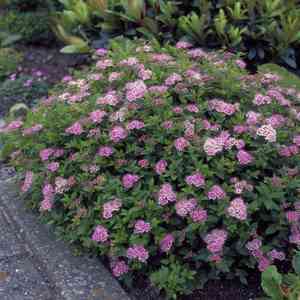
Japanese meadowsweet presents a captivating aesthetic with vivid hues and distinct textures.
2
Japanese meadowsweet delivers continuous appeal throughout the year through its seasonal changes.
3
Japanese meadowsweet represents a cost-effective option that benefits local ecosystems and fauna.
Exploring the Visual Charm of Japanese Meadowsweet
Visual Impact: Examining Color and Texture
A key attractive feature of Japanese meadowsweet is its aesthetic contribution to any setting. Its vivid hues, spanning from soft pinks to deep purples, establish a focal point that captures attention and imparts an air of sophistication and allure. Furthermore, the texture of Japanese meadowsweet adds richness and dimension, making your garden appear lush and full. This shrub's delicate blossoms and abundant foliage can enhance diverse garden styles, be they contemporary, rustic, or classic.
Seasonal Transformations: How Japanese Meadowsweet Changes Throughout the Year
Japanese meadowsweet offers a dynamic display year-round, providing interest in every season. In spring, the plant bursts into bloom with flower clusters, creating a stunning visual spectacle. As summer progresses, the flowers gradually fade, giving way to attractive foliage that remains vibrant until fall. By autumn, the leaves often turn a beautiful red or orange, adding warmth to your garden. Even in winter, the structure of Japanese meadowsweet, with its intricate branch patterns, can be a beautiful addition to the stark landscape.
Growth Dimensions: Optimal Development and Mature Sizes
Understanding the growth patterns and mature dimensions of Japanese meadowsweet is vital for garden planning. Typically, Japanese meadowsweet reaches a moderate height and width, making it suitable for various environments. It's crucial to consider its full size when initially planting to ensure adequate space for healthy development. Whether used as a border plant, in mass plantings, or as a standalone feature, Japanese meadowsweet can be a versatile addition to your landscape.
Practical Advice for Integrating Japanese Meadowsweet into Landscape Designs
Placement Strategies: Where to Position Japanese Meadowsweet for Best Effect
Selecting the appropriate site for Japanese meadowsweet is crucial for maximizing its visual and practical impact. Consider planting it in a sunny location as it thrives with ample light. Think about the sightlines in your garden; placing Japanese meadowsweet where it can be easily viewed from various angles will enhance the overall aesthetic. It can be used to highlight pathways, define garden areas, or create a colorful backdrop against more subdued plants.
Companion Planting: What Flourishes Alongside Japanese Meadowsweet
Japanese meadowsweet pairs well with a variety of other plants, creating harmonious and visually appealing combinations. Consider pairing it with other shrubs that have contrasting foliage colors or textures to create depth and interest. Perennials, such as lavender or coneflowers, can complement the color palette of Japanese meadowsweet's blooms. Additionally, grasses and ground covers can be used to fill in spaces around Japanese meadowsweet, ensuring a lush and cohesive garden design.
Managing Overgrowth: Effective Pruning Techniques
To maintain the form and vitality of Japanese meadowsweet, regular pruning is essential. The ideal time to trim is in late winter or early spring before new growth begins. Remove any dead or damaged branches, and thin out crowded areas to improve air circulation. Pruning also encourages new growth and more abundant flowering. For minimal upkeep, try shaping the plant to your desired form, whether a neat hedge or a more natural, flowing shape.
Economic and Environmental Advantages of Choosing Japanese Meadowsweet
Cost-Effectiveness: Why Japanese Meadowsweet is a Smart Option
Incorporating Japanese meadowsweet into your landscape design can be an economical choice. It's relatively low-maintenance, reducing the time and resources needed for garden upkeep. Additionally, Japanese meadowsweet is generally hardy and resilient, meaning it requires fewer replacements and less intensive care compared to more delicate plants. Its affordability and durability make it a valuable investment for any garden enthusiast looking to enhance their outdoor space without breaking the bank.
Supporting Local Ecosystems: Benefits for Native Wildlife
Japanese meadowsweet benefits your garden and supports local ecology by providing habitat and food for various wildlife. The flowers attract pollinators like bees and butterflies, aiding in the pollination of other plants in your garden. Small birds can also find shelter within the shrub's dense branches. By choosing Japanese meadowsweet, you contribute to a healthy ecosystem, promoting biodiversity and creating a thriving habitat in your backyard.



