Enhancing Your Garden Design with the White meadowsweet Plant: A Landscaping Guide
1
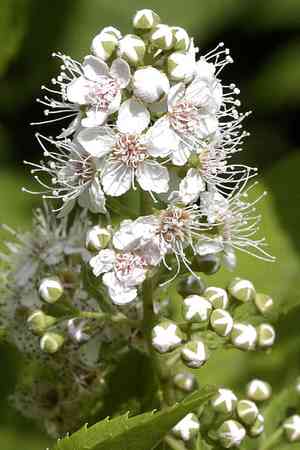
White meadowsweet enhances the beauty and ecological variety of your garden.
2
Suitable for diverse garden aesthetics, White meadowsweet integrates seamlessly into structured, rustic, and contemporary garden layouts.
3
White meadowsweet demands little upkeep, making it an excellent option for both new and seasoned gardeners.
Introducing White meadowsweet to Your Garden
Why Choose White meadowsweet for Landscaping?
When selecting plants for your outdoor space, White meadowsweet offers numerous advantages. This deciduous shrub is not only visually appealing with its clusters of white blossoms but also resilient and adaptable to various soil types. Its robust nature allows it to flourish in both sunny and partially shaded areas, providing versatility in landscape planning. Furthermore, White meadowsweet is a low-maintenance plant that can endure harsh weather and resists common pests and diseases, making it an appealing option for gardeners seeking a dependable and attractive addition to their property.
Ideal Locations for White meadowsweet in Landscape Plans
Choosing the optimal placement for White meadowsweet in your landscape design is crucial for maximizing its aesthetic and practical benefits. White meadowsweet thrives in moist, fertile soil, making it excellent for planting near water features like ponds or streams. It can also serve as a superb border plant along garden paths or as a backdrop for smaller flowering plants, adding depth and layered interest to your garden. Its adaptability permits its use in diverse settings, from the edge of woodland gardens to open, sunny spots where it can attract pollinators.
Complementing Plants for White meadowsweet
Pairing White meadowsweet with compatible plants can help create striking visual contrasts and harmonious garden compositions. Consider planting White meadowsweet alongside perennials such as daylilies or coreopsis, which can highlight its white flowers with their vibrant hues. Additionally, grasses like switchgrass or little bluestem can add texture and movement to your garden while providing a naturalistic setting that enhances White meadowsweet's beauty. Using evergreens as a backdrop can also offer year-round appeal, and White meadowsweet's deciduous nature will contribute seasonal variety to your landscape.
Designing with White meadowsweet: Visual Impact and Practical Benefits
Color and Seasonality: Enhancing Visual Appeal Through White meadowsweet
A primary draw of White meadowsweet is its capacity to significantly boost your garden's visual appeal through its colorful blooms and seasonal transformations. In summer, White meadowsweet graces gardens with its delicate white flowers that beautifully contrast against lush green foliage. As seasons shift to autumn, White meadowsweet's leaves can adopt warm shades of yellow and red, adding a dynamic element to your garden's palette. This seasonal variation ensures White meadowsweet remains a focal point and provides year-round interest in your landscape design.
Wildlife Attraction: How White meadowsweet Supports Local Ecosystems
White meadowsweet is not merely a visual delight but also a boon for local wildlife. Its flowers draw in a variety of pollinators, including bees, butterflies, and other beneficial insects, which are vital for maintaining healthy ecosystems. Moreover, its dense foliage offers shelter and nesting sites for small birds and other garden creatures. By incorporating White meadowsweet into your landscape, you contribute to biodiversity and help sustain the local ecosystem, creating a garden space that is as sustainable as it is beautiful.
Maintenance Aspects: Managing Growth and Health of White meadowsweet
One of White meadowsweet's outstanding characteristics is its low-maintenance nature, making it an excellent choice for both beginner and experienced gardeners. White meadowsweet requires minimal pruning, typically only to remove dead or damaged branches or to shape the plant. It resists many common pests and diseases, reducing the need for chemical interventions. Ensuring adequate moisture, especially during dry periods, and an annual application of mulch can keep White meadowsweet healthy and thriving. With these simple care steps, White meadowsweet can remain a robust and vibrant part of your landscape for years to come.
Creative Uses of White meadowsweet in Different Landscaping Styles
Formal Garden Settings: Integrating White meadowsweet for Structure and Elegance
In formal garden environments, White meadowsweet can be utilized to establish structure and a sense of order. Its symmetrical growth habit and manageable size make it perfect for forming neat, tidy hedges or for use in geometric planting patterns that define formal garden areas. Pairing White meadowsweet with classic elements such as clipped boxwoods and topiaries can enhance its formal appeal, while its floral displays add a touch of softness and elegance to structured garden designs.
Cottage Gardens: Utilizing White meadowsweet for a Relaxed, Flower-Filled Look
For a more relaxed and informal landscape, White meadowsweet fits perfectly into cottage garden styles. Its free-flowing form and abundance of blooms lend themselves to the layered, flower-filled aesthetic typical of cottage gardens. Plant White meadowsweet among a mix of other perennials and biennials like hollyhocks, lavender, and roses to create a charming, lush environment full of color and life. The relaxed nature of cottage gardens allows White meadowsweet to grow naturally, blending seamlessly with other plants to form a cohesive and inviting garden space.
Modern Landscapes: White meadowsweet's Role in Minimalist and Contemporary Designs
In modern landscaping, White meadowsweet can offer a unique blend of simplicity and texture that complements minimalist design principles. Its clean lines and understated flowers work well with sleek materials like concrete, steel, and glass, providing a natural counterbalance to modern architectural elements. Use White meadowsweet as a standalone specimen in a minimalist garden or group it with other structural plants like ornamental grasses and succulents to create a contemporary look that is both stylish and functional.



