Enhancing Your Garden Design with the Peace lily Plant: A Landscaping Guide
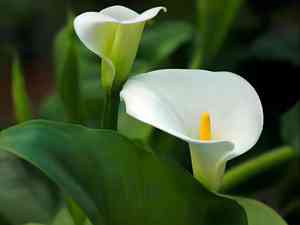
1
Peace lilies flourish in dim to medium light, offering flexibility for diverse garden locations.
2
Consistent trimming and thoughtful positioning aid in controlling the Peace lily's development.
3
Peace lilies are recognized for their air-cleansing properties, providing an additional advantage to your outdoor area.
Introducing Spathiphyllum into Your Landscape Design
Grasping the Fundamentals of Spathiphyllum Landscaping
Integrating Spathiphyllum into your landscape requires understanding its distinct traits and how they can be utilized to improve your outdoor space. Renowned for its vibrant, green leaves and graceful white blooms, Spathiphyllum brings a touch of elegance and tranquility to any garden. This plant demands relatively little upkeep, making it a superb option for both new and seasoned gardeners. By including Spathiphyllum in your landscape, you can forge a peaceful and welcoming setting that is both attractive and practical.
The Visual Appeal of Spathiphyllum in Garden Layouts
Spathiphyllum is an aesthetically pleasing plant that plays a vital role in garden aesthetics. Its glossy foliage and striking blossoms offer a stark contrast to other garden elements, making it perfect for creating focal points. Whether used as a solitary feature or as part of a larger arrangement, Spathiphyllum can instill a sense of grace and calm in your garden. Furthermore, its evergreen nature guarantees your garden remains lively and appealing throughout the year.
Optimal Placement of Spathiphyllum in Your Outdoor Area
Selecting the Ideal Location: Light and Shade Considerations
The positioning of Spathiphyllum in your garden significantly impacts its vitality and appearance. This plant thrives in low to moderate light, making it perfect for shaded or partially shaded spots. Avoid exposing Spathiphyllum to direct sunlight, as this can scorch its leaves and cause wilting. Instead, seek out areas beneath trees or in the shade of larger shrubs where it can receive indirect light. This ensures Spathiphyllum flourishes while enhancing your garden's overall beauty.
Pairing Spathiphyllum with Other Flora
To cultivate a harmonious and visually pleasing garden, it's crucial to combine Spathiphyllum with complementary plants. Consider using plants with diverse leaf textures and hues to contrast with Spathiphyllum's glossy, dark green leaves. Ferns, hostas, and caladiums are excellent choices that thrive in similar light conditions. Additionally, incorporating flowering plants with varied bloom times can ensure a continuous display of color and interest in your garden.
Seasonal Care and Maintenance Advice for Spathiphyllum
Spring and Summer Maintenance
During the spring and summer months, Spathiphyllum needs consistent watering to keep the soil uniformly moist but not waterlogged. These seasons are also when the plant is most actively growing, so consider applying a balanced, slow-release fertilizer every six to eight weeks. Regularly check for any yellowing leaves or spent flower stalks and remove them to encourage new growth and maintain the plant's appearance.
Autumn and Winter Considerations
As the weather cools in autumn and winter, Spathiphyllum's growth will slow. Reduce watering frequency to prevent root rot, as the plant requires less moisture during these months. It's also a good time to apply mulch around the plant's base to shield it from extreme temperature fluctuations. Additionally, if your region experiences frost, consider relocating Spathiphyllum to a more protected spot or providing frost protection to prevent damage.
Design Concepts and Inspiration Using Spathiphyllum
Creating Visual Anchors with Spathiphyllum
Spathiphyllum is an excellent choice for establishing focal points in your garden. Its striking presence draws the eye, making it perfect for filling voids or highlighting specific areas. Consider placing Spathiphyllum near water features, garden benches, or entryways to enhance these zones. You can also use Spathiphyllum in pots or planters for added flexibility and mobility in your design.
Integrating Spathiphyllum into Themed Landscapes
Spathiphyllum can be seamlessly incorporated into various garden themes, from tropical to minimalist designs. Its lush foliage works well in tropical-themed gardens, evoking a sense of exotic luxury. For minimalist or modern landscapes, Spathiphyllum's clean lines and simplicity provide a serene and uncluttered look. Experiment with different arrangements and combinations to discover how Spathiphyllum can enhance your garden's theme and atmosphere.
Common Issues and Solutions When Landscaping with Spathiphyllum
Addressing Typical Pests and Diseases
While Spathiphyllum is relatively robust, it can be vulnerable to pests like spider mites and aphids, as well as diseases such as root rot and leaf spot. Regularly inspect your plants for any signs of infestation or illness. For pests, consider using neem oil or insecticidal soap. Ensure proper drainage and avoid overwatering to prevent root rot. If leaf spots appear, prune affected leaves and consider using a fungicide if the problem persists.
Managing Growth: Pruning and Spacing Advice
To keep Spathiphyllum looking its best, regular pruning is essential. Trim any dead or yellowing leaves and remove spent flower stalks to promote new growth. When planting Spathiphyllum, ensure adequate spacing between plants to allow for air circulation and prevent overcrowding. This helps reduce the risk of disease and promotes healthier growth. Aim for a spacing of about 1 to 2 feet apart, depending on the mature size of the plants.



