Enhancing Your Garden Design with the Snow flower Plant: A Landscaping Guide
1
Snow flower flourishes in areas with partial or full shade, offering flexibility for diverse garden designs.
2
Thoughtful placement of Snow flower can establish impressive central features in both front and rear gardens.
3
Consistent seasonal maintenance is essential for preserving Snow flower's vitality and aesthetic appeal.
Understanding the Growth Characteristics of Snow flower
Seasonal growth patterns of Snow flower
Grasping the seasonal growth habits of Snow flower is crucial for successful landscaping. This plant typically exhibits robust development during the warmer spring and summer months, flourishing in temperatures between 60-75°F. Expect abundant green foliage and numerous white blooms in these periods. As colder weather approaches, growth diminishes, and the plant enters a dormant state, conserving energy. This insight aids in planning pruning and fertilization for year-round plant health.
Typical size and spread
Snow flower is recognized for its moderate dimensions, making it a practical choice for various garden designs. It generally reaches a height of 1-2 feet with a similar width, creating a neat and manageable footprint. This compact size is ideal for borders, containers, or as a low hedge. Its growth habit is typically upright, with gracefully arching leaves. Knowing its usual size helps in spacing and layout to prevent overcrowding and ensure ample room for growth.
Sunlight and shade preferences
Snow flower thrives in partial to full shade, making it perfect for garden areas receiving filtered light or shaded by trees and larger shrubs. While it can endure some morning sun, intense afternoon exposure can scorch its leaves, causing unsightly damage. Placing Snow flower in consistent indirect light promotes healthy growth and vibrant blooms. Understanding its light needs is vital for selecting the optimal garden location, ensuring adequate light without harsh direct sun.
Strategic Placement of Snow flower in Garden Layouts
Front yard versus backyard: Best practices
When deciding on Snow flower placement in the front or back yard, consider its aesthetic and functional roles. In the front, it enhances curb appeal with attractive foliage and flowers, creating a welcoming look. Position it near entryways or walkways for admiration. In the back, it can form serene, shaded areas, ideal for relaxation or alongside outdoor seating. Ensure it complements the overall garden design and existing plants for a cohesive, visually pleasing landscape.
Creating focal points with Snow flower
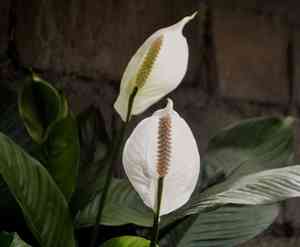
Snow flower excels at creating garden focal points due to its distinct appearance and lush greenery. Planting it as a solitary specimen in a prominent spot can draw attention and add elegance. Alternatively, group several Snow flower plants for a lush, eye-catching cluster. Using height variations and contrasting colors around Snow flower can further boost its visual impact. For instance, against darker foliage or bright flowers, its white blooms stand out as a perfect garden accent.
Complementing Snow flower with other plants
To achieve a harmonious and visually appealing garden, pair Snow flower with other shade-loving plants. Ferns, hostas, and impatiens are excellent companions, sharing similar light and moisture needs. Consider foliage textures and colors when pairing plants to add depth and interest. For example, hostas' broad leaves and ferns' delicate fronds contrast beautifully with Snow flower's smooth leaves. Layering plants of different heights and varied blooming periods ensures an attractive garden year-round.
Designing Paths and Borders with Snow flower
Choosing the right companions for pathway borders
Snow flower is ideal for lining garden paths and borders, providing structure and greenery. When selecting companion plants for pathway borders, choose those that complement Snow flower's growth habit and aesthetics. Low-growing ground covers like creeping Jenny or ajuga can offer textural and color contrast at the base, while taller plants such as astilbe can add vertical interest behind Snow flower. The key is to select plants thriving in similar conditions for a cohesive and healthy border.
Types of paths suitable for Snow flower
Snow flower flourishes along shaded and semi-shaded paths, adapting well to various garden path styles. Gravel paths, brick walkways, and stepping stone paths offer excellent drainage, preventing waterlogging which can harm Snow flower. Whatever path material you choose, ensure it complements Snow flower's natural elegance and fits the overall garden design. The subtle contrast between the hardscape of the path and the lush foliage of Snow flower can create a striking visual effect.
Maintenance tips for pathway aesthetics
Maintaining the visual appeal of your garden pathways featuring Snow flower requires consistent care. Prune Snow flower to keep it neat and prevent overgrowth onto the path. Mulching around the plant bases helps retain moisture and suppress weeds, keeping the pathway tidy. Additionally, regularly cleaning the path materialâwhether sweeping gravel or rinsing stepping stonesâensures the space remains inviting and visually pleasing. A well-maintained pathway not only looks good but also supports Snow flower's healthy growth.
Seasonal Care for Snow flower in Landscaping
Spring and summer care specifics
During spring and summer, Snow flower needs consistent watering to support its vigorous growth and blooming. Ensure the soil stays uniformly moist but not waterlogged. Fertilize with a balanced, slow-release product to supply essential nutrients throughout the growing season. Prune any dead or yellowing leaves to encourage healthy development and improve air circulation. These practices will keep Snow flower vibrant and thriving in warmer months.
Autumn and winter considerations
In autumn, as growth slows, reduce watering, allowing the soil to dry slightly between irrigations. This prepares Snow flower for its dormant winter period. Applying mulch around the base can protect roots from severe cold. During winter, avoid overwatering and fertilizing, as the plant's nutrient uptake is minimal. Shield Snow flower from frost damage by covering it with a cloth during extremely cold nights. These steps ensure it emerges healthy and ready for vigorous spring growth.
Weather and climate impacts on Snow flower
Weather and climate significantly influence Snow flower's growth and care needs. In humid regions with mild winters, it may continue growing with minimal dormancy. Conversely, colder climates necessitate more winter protection. Consistently monitor local weather and adjust care accordingly. For instance, extreme heat might require more frequent watering, while heavy rainfall periods may demand improved drainage. Understanding and adapting to these weather variations will help Snow flower thrive year-round.



