Enhancing Your Garden Design with the Spanish broom Plant: A Landscaping Guide
1
Spanish broom thrives in bright locations because it loves the sun.
2
Spanish broom aids in preventing soil loss, making it excellent for inclines.
3
Combine Spanish broom with other plants that tolerate dry conditions for a unified garden design.
Exploring the Allure of Spanish Broom
Highlighting its vivid aesthetics and growth patterns
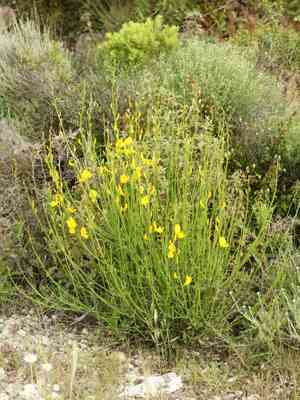
The appeal of Spanish broom lies in its brilliant yellow blooms that can produce a striking visual display, enhancing any garden's beauty. Recognized for its upright, rush-like stems, Spanish broom can introduce a distinctive, textured element to your landscape design. It typically develops into a sizable shrub, reaching up to 10 feet tall, making it a prominent feature in any garden. The plant flourishes in poor soils and exhibits remarkable drought tolerance, positioning it as a low-maintenance option for gardeners.
Discussing year-round advantages in landscaping
One of Spanish broom's impressive attributes is the continuous interest it brings to a garden. While its yellow flowers dominate spring and early summer, its evergreen nature ensures it provides greenery throughout the year. This consistent presence makes it a dependable choice for enduring beauty and structure in your landscape. Furthermore, the blossoms emit a sweet fragrance that can enrich your garden's sensory experience.
Optimal Planting Locations for Spanish Broom
Selecting sun-drenched areas to maximize development
Spanish broom thrives in full sun, so choose a garden spot that receives ample sunlight all day. Planting it in a sun-exposed area guarantees vigorous growth and an abundance of vibrant flowers. It also tolerates poor soil conditions well, suiting various garden types. Ensuring the plant gets plenty of light will help maintain its health and vitality.
Utilizing Spanish broom for inclines and erosion prevention
Spanish broom is an excellent choice for planting on slopes or embankments. Its extensive root system helps stabilize soil and prevent erosion, making it both a practical and attractive solution for challenging areas in your landscape. The dense growth habit of Spanish broom can cover large areas and provide effective ground coverage, further enhancing its usefulness in such settings. By selecting Spanish broom for these locations, you can address soil erosion concerns while adding beauty and interest to your garden.
Pairing Spanish Broom with Other Plants
Ideal companion plants for Spanish broom
To create a harmonious garden, consider pairing Spanish broom with other sun-loving, drought-tolerant plants. Excellent companions include lavender, rosemary, and ornamental grasses. These plants not only thrive in similar conditions but also complement Spanish broom with their contrasting textures and colors. The combination of Spanish broom's yellow blossoms with lavender's purple hues or rosemary's silvery foliage can create a visually appealing and cohesive garden design.
Tips for crafting aesthetically pleasing plant arrangements
When designing plant groupings with Spanish broom, consider the overall height, color, and texture of the plants. Layering plants by height, with taller plants like Spanish broom at the back and shorter plants in front, can create depth and visual interest. Additionally, mixing plants with different leaf shapes and colors can add variety and prevent monotony. Aim for a balanced arrangement that highlights Spanish broom's striking features while ensuring that companion plants also get their moment to shine.
Maintaining the Splendor of Spanish Broom
Fundamental care practices for sustained vitality
Maintaining Spanish broom is relatively straightforward, making it an excellent choice for both novice and experienced gardeners. Ensure the plant is watered during dry spells, especially in its first year after planting. Mulching around the base can help retain moisture and keep the roots cool. Regularly check for pests and diseases, although Spanish broom is generally resilient. Providing occasional feeding with a balanced fertilizer can promote healthy growth, although it usually thrives without much intervention.
When to prune for optimal growth and shape
Pruning Spanish broom is essential to maintain its shape and encourage new growth. The best time to prune is right after flowering, typically in late summer. Remove any dead or damaged branches, and trim back the flowering stems to promote bushier growth the following year. Avoid cutting into old wood, as this can hinder new growth. Regular pruning helps keep Spanish broom healthy, ensures a neat appearance, and enhances its flowering potential.



