Enhancing Your Garden Design with the Texas mountain laurel Plant: A Landscaping Guide
1
Incorporating Texas mountain laurel can bring vivid hues and distinct characteristics to your outdoor space.
2
Texas mountain laurel is adaptable and complements numerous other flora, making it an excellent inclusion for diverse garden schemes.
3
Grasping the developmental habits of Texas mountain laurel will assist in preserving its visual appeal year-round.
Introducing Texas Mountain Laurel to Your Landscape
An overview of Texas mountain laurel's visual appeal
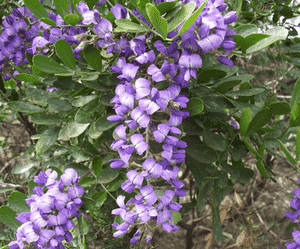
For those looking to enrich their garden with distinctiveness and allure, the Texas mountain laurel stands out as an excellent option. This plant showcases striking hues and a unique textural quality that can elevate any outdoor space. Its deep purple blossoms and shiny green foliage create a vivid contrast, bringing joy and vitality to your yard. Whether your goal is a tranquil, calming garden or a lively, energetic backyard, the Texas mountain laurel effortlessly fits the description.
The adaptability of Texas mountain laurel across diverse landscape designs
A key strength of the Texas mountain laurel is its flexibility. It flourishes in various environments, from rock gardens and urban settings to expansive rural properties. You can utilize it as a solitary specimen, a boundary hedge, or even as part of a mixed planting bed. Its capacity to adapt to different soil types and weather conditions makes it a resilient choice for numerous gardeners. Thus, whether your landscape aesthetic is minimalist, classic, or contemporary, the Texas mountain laurel can seamlessly integrate and enhance the overall look.
General advantages of incorporating Texas mountain laurel into your garden
Adding Texas mountain laurel to your garden offers several perks. Beyond its aesthetic contribution, it draws in pollinators like bees and butterflies, fostering biodiversity. This plant demands relatively little upkeep, requiring minimal irrigation and trimming once established. Furthermore, the Texas mountain laurel can serve as a natural privacy screen or windbreak, adding both beauty and utility to your outdoor area.
Designing with Texas Mountain Laurel: Arrangement and Placement
Optimal spots for planting Texas mountain laurel in your outdoor area
Selecting the appropriate location for Texas mountain laurel is vital for its development and your garden's overall attractiveness. Ideally, it should be planted in soil that drains well and receives full or partial sunlight. Consider positioning Texas mountain laurel where it can be a focal point, such as alongside walkways, near patios, or as a striking backdrop against walls or fences. Ensuring ample room for growth will help you maximize its lush foliage and magnificent blooms.
Suggestions for pairing Texas mountain laurel with other plant species
Combining Texas mountain laurel with other plants can result in a harmonious and balanced landscape. Match it with plants that offer complementary colors and growth habits. For instance, blooming perennials with contrasting shades, like yellow daffodils or white lilies, can create a captivating display. Additionally, think about using ground covers or low-growing shrubs to fill in the areas around Texas mountain laurel, providing a layered appearance and inhibiting weed growth.
How to utilize Texas mountain laurel as a central feature in landscape designs
Employing Texas mountain laurel as a focal point can anchor your landscape design and direct attention to specific zones. Consider planting it in central positions or as part of a deliberate grouping with other prominent plants. To emphasize its presence, you can also incorporate garden accessories, such as decorative stones or sculptures, around its base. The aim is to craft a 'visual narrative' that highlights the beauty of Texas mountain laurel while complementing the rest of your garden.
Seasonal Considerations for Texas Mountain Laurel
Understanding the seasonal development patterns of Texas mountain laurel
Being aware of how Texas mountain laurel grows throughout the year can help you plan your garden more effectively. Typically, it flowers in the spring, offering a burst of color after the dormant winter months. Its leaves stay vibrant all summer, providing continuous visual interest. In colder periods, the plant's structure can still add depth to your garden, even when not in full bloom.
Best times for planting and relocating Texas mountain laurel
Timing is crucial when it comes to planting or moving Texas mountain laurel. The ideal period for planting is late fall or early spring when the plant is inactive. This timing helps the Texas mountain laurel establish its root system without the stress of extreme weather. If you need to relocate it, doing so during these seasons minimizes shock and promotes healthy growth. Regardless of when you plant, ensure the soil is properly prepared and the roots are adequately protected.
Seasonal care advice for maintaining Texas mountain laurel's aesthetic appeal
To keep Texas mountain laurel looking its best, seasonal maintenance is essential. In spring, apply a slow-release fertilizer to encourage vigorous growth. During summer, ensure it receives sufficient water, especially during dry spells. As autumn approaches, trim any dead or damaged branches to maintain its shape and health. In winter, a layer of mulch can help shield the roots from freezing temperatures. By following these seasonal care tips, you'll ensure Texas mountain laurel remains a highlight in your garden year-round.
Long-Term Advantages and Difficulties
Longevity and resilience of Texas mountain laurel in various climates
Texas mountain laurel is renowned for its impressive lifespan and hardiness, flourishing in a range of weather conditions. Whether you reside in a hot, arid region or an area with cooler temperatures, Texas mountain laurel can adapt and continue to thrive. Understanding the specific requirements of your local climate will help you provide appropriate care, ensuring that Texas mountain laurel not only survives but prospers for many years.
Common issues and strategies for overcoming them
While Texas mountain laurel is quite robust, it can encounter some problems, such as pests and diseases. Frequent issues include aphids, caterpillars, and root rot. Regular observation and prompt action are key to managing these concerns. Use organic pest control and ensure proper watering practices to keep Texas mountain laurel healthy. Additionally, maintaining good air circulation around the plant can prevent fungal infections.
Financial and ecological benefits of selecting Texas mountain laurel
Opting for Texas mountain laurel in your landscape provides both financial and environmental advantages. Economically, its low-maintenance nature means reduced spending on water, fertilizers, and pesticides. Environmentally, Texas mountain laurel supports local ecosystems by offering habitat and food for pollinators. Furthermore, it can help lessen soil erosion and improve air quality. These combined benefits make Texas mountain laurel a smart and sustainable choice for any garden.



