Enhancing Your Garden Design with the Goldenrod Plant: A Landscaping Guide
1
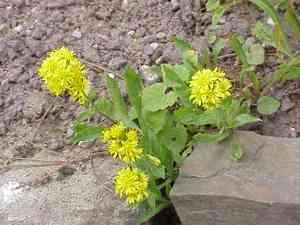
Goldenrod offers vivid hues and charming flowers, boosting visual attractiveness.
2
This species is adaptable, fitting diverse landscape aesthetics, from classic to modern to habitats for wildlife.
3
Correct placement and planting of Goldenrod guarantee its best development and ornamental value in your garden.
Appreciating Goldenrod's Aesthetic Qualities
Distinctive Hue and Blossoms
For injecting vivid color into your garden, Goldenrod stands out. Its rich, golden flower tones can sharply contrast with other plants' green foliage, making your garden a lively focal point. These colors are not just visually pleasing but also exude warmth, fostering feelings of joy and vitality, thereby making your outdoor area more inviting.
Seasonal Transformations and Their Effect
A notable characteristic of Goldenrod is its capacity to introduce dynamic seasonal shifts to your outdoor space. As seasons change, Goldenrod's look adapts, adding diversity and sustaining interest in your garden throughout the year. From the lush greens of spring and summer to the golden flowers in late summer and fall, Goldenrod ensures there's always something fresh to admire in your landscape.
Height and Structural Contributions
In garden design, structure is as vital as color. Goldenrod reaches a moderate height, providing excellent vertical interest without overshadowing other plants. It can serve effectively as a backdrop for shorter flora or as a standalone focal point. Its robust stems and flower clusters add texture and depth, contributing to a balanced and harmonious garden layout.
Integrating Goldenrod into Various Landscape Styles
For Classic Garden Settings
Within classic garden environments, Goldenrod can be seamlessly incorporated to enhance traditional aesthetics. Its enduring charm makes it suitable for bordered flower beds and mixed perennial gardens. Combine Goldenrod with other classic plants like roses, lilies, and lavender to forge a harmonious and visually appealing setting that aligns with time-honored gardening practices.
Utilizing Goldenrod in Modern Designs
For contemporary gardens, Goldenrod can introduce a touch of natural beauty amidst clean lines and minimalist aesthetics. Its vibrant color contrasts effectively with the neutral palettes often found in modern landscapes. Employ Goldenrod in groupings or as a focal point to break monotony and introduce a lively element. Its simplicity also complements modern architecture, bringing an organic feel to urban environments.
Wildlife-Friendly Designs Featuring Goldenrod
If your goal is to cultivate a garden that supports local wildlife, Goldenrod is an excellent option. It attracts pollinators such as bees and butterflies, contributing to your garden's ecological well-being. Planting Goldenrod alongside other native species can create a biodiverse habitat that offers refuge and sustenance to various creatures, transforming your garden into a thriving mini-ecosystem. This not only aids conservation but also adds a dynamic, living component to your landscape.
Practical Advice for Planting and Positioning Goldenrod
Selecting the Optimal Site
Choosing the best location for Goldenrod is crucial for its development and visual impact. This plant thrives in well-drained soil with ample sunlight, though it can endure partial shade. When planting, ensure sufficient space for air circulation to prevent diseases. Placing Goldenrod where it receives at least six hours of daily sunlight will help it flourish and maintain its vibrant blooms.
Companion Plants that Enhance Goldenrod
To maximize Goldenrod's aesthetic appeal, consider pairing it with complementary companion plants. Species like asters, sedums, and echinaceas can create a striking visual contrast with Goldenrod's golden flowers. These combinations not only boost your garden's beauty but also foster a healthy and diverse plant community, encouraging robust growth and minimizing pest issues.
Managing Growth and Expansion
Controlling Goldenrod's growth and spread is vital for maintaining an orderly garden. This plant can be quite resilient and may spread if not monitored. Regular pruning helps manage its growth and prevents it from overshadowing other plants. Dividing the clumps every few years will also keep Goldenrod healthy and vigorous, ensuring it remains an attractive feature of your landscape.



