Enhancing Your Garden Design with the Gray Goldenrod Plant: A Landscaping Guide
1
Gray Goldenrod demonstrates significant adaptability, flourishing across diverse environmental conditions.
2
Integrating Gray Goldenrod with other flora can result in aesthetically pleasing garden designs.
3
Incorporating Gray Goldenrod into your landscape contributes to the sustenance of local fauna and ecological diversity.
Introducing Gray Goldenrod to Your Landscape
Uncover the visual appeal of Gray Goldenrod
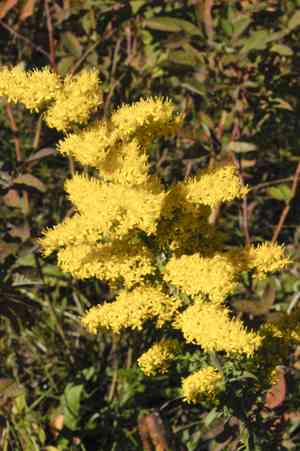
When designing an attractive and welcoming garden, Gray Goldenrod can be a vital element for achieving a desired look. Its bright golden-yellow blooms offer a striking contrast against green foliage, making it a prominent feature in any setting. Furthermore, the plant's varied height and dense growth habit provide a dynamic visual structure that can create an engaging focal point in your garden. Whether utilized in flower beds, borders, or as a solitary plant, Gray Goldenrod adds undeniable visual charm.
Understanding Gray Goldenrod's adaptability across climates
Gray Goldenrod is well-known for its versatility, flourishing in diverse climates and soil types. This hardiness makes it an excellent choice for gardeners in various regions. Whether your garden experiences hot, arid summers or cooler, damp conditions, Gray Goldenrod can adapt and thrive. This flexibility means fewer concerns about plant survival and more chances to enjoy year-round beauty in your landscape. Overall, its robust nature ensures it remains a dependable and low-maintenance option for any garden design.
Designing Your Garden Layout with Gray Goldenrod
Evaluating optimal spots for planting Gray Goldenrod
To maximize Gray Goldenrod's impact, consider the specific requirements and characteristics of your garden area. Gray Goldenrod prefers well-drained soil and can thrive in full sun to partial shade. Identify sunny locations that provide the ideal amount of light and room for the plant to flourish. Placing Gray Goldenrod along garden edges, pathways, or as a central element in your garden beds can enhance these areas and create a unified design. Remember, the aim is to position Gray Goldenrod where its beauty and advantages are most evident.
Pairing Gray Goldenrod with other plants: Advice and methods
Integrating Gray Goldenrod with complementary plants can elevate your garden's visual appeal. Combine Gray Goldenrod with plants that have contrasting colors and textures, such as purple asters or blue salvias, to create a vibrant, eye-catching display. Additionally, pairing Gray Goldenrod with plants of varying heights will add depth and dimension to your garden. Be mindful of each plant's moisture and sunlight needs to ensure compatibility. The right combinations can transform your garden into a harmonious and visually stimulating sanctuary.
Seasonal Considerations for Gray Goldenrod
Optimal seasons for planting Gray Goldenrod
The best period to plant Gray Goldenrod is during spring or autumn. These seasons offer ideal conditions for growth, including moderate temperatures and consistent rainfall. Spring planting allows Gray Goldenrod to establish its root system before summer's heat, while fall planting gives it a head start before winter. By planting Gray Goldenrod in these seasons, you ensure the plant has ample time to acclimate and thrive in your garden.
Managing Gray Goldenrod's seasonal blooms and foliage
Managing Gray Goldenrod throughout its seasonal cycles involves observing its growth patterns and adjusting care routines accordingly. In summer, anticipate a burst of golden blooms that will persist well into fall, adding extended beauty to your garden. As cooler months approach, Gray Goldenrod foliage may begin to fade, at which point light pruning can be beneficial. Removing spent flowers and dead leaves ensures the plant stays healthy and encourages new growth when the next growing season arrives.
Ecological Benefits of Incorporating Gray Goldenrod in Your Garden
Support local wildlife with Gray Goldenrod
Adding Gray Goldenrod to your garden design does more than just enhance its beauty; it also supports local wildlife. The flowers of Gray Goldenrod are a rich source of nectar, attracting pollinators like bees, butterflies, and hummingbirds. By providing a food source for these creatures, your garden becomes a haven for wildlife, contributing to the overall health of the ecosystem. Creating such a supportive environment benefits not only the wildlife but also the health of your plants through enhanced pollination.
Contributions to biodiversity and the environment
Including Gray Goldenrod in your garden boosts biodiversity, increasing the variety of plant species in the area. This diversity is vital for a healthy ecosystem, as it promotes greater resilience to pests and diseases. Gray Goldenrod also helps improve soil health with its root system, which enhances soil structure and fertility. By planting Gray Goldenrod and encouraging biodiversity, you are contributing positively to the environment, ensuring a more sustainable and vibrant garden.
Care Guidelines for Gray Goldenrod
Basic maintenance and pruning recommendations
Maintaining Gray Goldenrod is relatively simple and requires minimal effort. Regular pruning helps to encourage healthy growth and extends the blooming period. Trim back spent flowers and any dead or damaged stems to keep the plant looking its best. Additionally, removing overgrown sections prevents overcrowding, ensuring each plant has enough space to flourish. Keeping these practices in mind will ensure that Gray Goldenrod remains a stunning feature in your garden.
Watering routines and seasonal adjustments
Though Gray Goldenrod is quite adaptable, proper watering is crucial for its health. Water Gray Goldenrod regularly during dry spells but be careful not to overwater, as it prefers well-drained soil. In summer, you might need to increase watering frequency, whereas in cooler months, reduce the amount to avoid waterlogged conditions. Adjusting your watering schedule according to the seasons will help Gray Goldenrod maintain its vitality year-round.



