Enhancing Your Garden Design with the Jerusalem cherry Plant: A Landscaping Guide
1
Jerusalem cherry introduces vivid hues, elevating the aesthetic charm of any garden space.
2
It's suitable for incorporation into diverse garden designs, spanning classic to modern.
3
Maintaining Jerusalem cherry is uncomplicated, making it an approachable choice for those who garden.
Introducing Jerusalem Cherry in Garden Design
Why Jerusalem Cherry is a Great Garden Addition
When designing a garden, choosing appropriate plants is key to achieving the desired look and feel. Jerusalem cherry stands out as an excellent option due to its adaptability and lively appearance. It's recognized for its vivid berries, which range from bright red to orange, adding a splash of color to any landscape. Furthermore, Jerusalem cherry thrives in various soil types and light conditions, making it suitable for diverse garden settings. Its compact size and appealing foliage further enhance its charm, allowing for easy integration into various garden schemes.
The Visual Appeal of Jerusalem Cherry
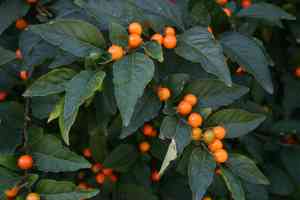
A striking characteristic of Jerusalem cherry is its visual appeal. The plant produces clusters of small, cherry-like fruits that create a stunning visual effect, especially during autumn and winter when many other plants are dormant. Its glossy green leaves provide a rich backdrop that accentuates the berries' bright hues. This combination makes Jerusalem cherry an excellent choice for gardeners seeking to add texture and year-round interest to their landscape. Moreover, Jerusalem cherry can be used in various arrangements, from borders to container gardens, enhancing your outdoor space's overall beauty.
Incorporating Jerusalem Cherry into Diverse Landscape Styles
Traditional Garden Use of Jerusalem Cherry
In traditional garden design, Jerusalem cherry can be employed to create structured and classic garden layouts. Its compact form makes it perfect for hedges, borders, and as an accent plant. When arranged symmetrically, Jerusalem cherry enhances the formal aesthetic typical of traditional gardens. Its vibrant berries can also introduce color and interest to more conservative landscape styles, making it a versatile addition that complements classic garden elements like boxwoods and roses.
Modern Designs Featuring Jerusalem Cherry
For those who prefer a contemporary look, Jerusalem cherry can seamlessly integrate into modern landscape designs. Its bold colors and distinct shape create contrast and act as a focal point in minimalist settings. In contemporary gardens, Jerusalem cherry can be paired with sleek hardscaping elements such as concrete or metal planters to highlight its vibrant berries. Its simplicity and striking visual impact make it an excellent choice for those aiming to create a clean, uncluttered, yet captivating outdoor space.
Creating Visual Highlights with Jerusalem Cherry
One of the best ways to use Jerusalem cherry in your landscape is by establishing focal points. Its vibrant berries naturally draw attention, making it an ideal plant for directing the eye to specific areas of your garden. Whether planted in pots on a patio or as a centerpiece in a garden bed, Jerusalem cherry can emphasize architectural features, water elements, or other decorative pieces in your landscape. By strategically placing Jerusalem cherry, you can guide visitors through your garden and create visually appealing scenes that showcase the plant's beauty.
Seasonal Considerations for Jerusalem Cherry Planting
Optimal Planting Time for Jerusalem Cherry
To ensure the health and longevity of Jerusalem cherry, it's important to plant it at the correct time. The best period to plant Jerusalem cherry is in the spring after the last frost. This allows the plant to establish itself during the active growth season. Spring planting ensures that Jerusalem cherry has ample time to develop strong roots and adapt to its new environment before facing winter's challenges. For regions with mild winters, fall planting is also viable, giving Jerusalem cherry time to acclimate while benefiting from cooler temperatures.
Managing Seasonal Changes for Jerusalem Cherry
As seasons shift, so do the care requirements for Jerusalem cherry. During the growing season, ensure it receives sufficient water and sunlight. Mulching around the plant's base helps retain moisture and regulate soil temperature. In colder climates, protect Jerusalem cherry from frost by covering it or moving potted plants indoors. Pruning in late winter or early spring helps maintain its shape and promotes vigorous growth. By adjusting care practices to align with seasonal changes, you can keep Jerusalem cherry looking its best throughout the year.
Maintaining Jerusalem Cherry's Aesthetic
Routine Care Tips for Jerusalem Cherry
Maintaining the visual appeal of Jerusalem cherry involves a few straightforward yet effective practices. Consistent watering, especially during dry periods, is essential. Fertilizing Jerusalem cherry in early spring with a balanced fertilizer encourages vibrant foliage and berries. Pruning any dead or damaged branches not only improves the plant's appearance but also promotes healthy growth. Additionally, monitoring for pests and diseases ensures that Jerusalem cherry remains healthy and attractive.
Addressing Common Issues
Like all plants, Jerusalem cherry can encounter certain difficulties. Common problems include pest infestations, such as aphids or spider mites, which can be managed with appropriate pest control methods. Fungi can also affect Jerusalem cherry, particularly in humid conditions; ensuring good air circulation and preventing waterlogging helps avert fungal diseases. If planted outdoors, Jerusalem cherry may attract birds that enjoy its berries, so using bird netting can protect the plant. By promptly addressing these challenges, you can preserve the beauty and health of Jerusalem cherry in your garden.



