Enhancing Your Garden Design with the Japanese skimmia Plant: A Landscaping Guide
1
Japanese skimmia is an evergreen shrub that provides continuous visual appeal to landscapes.
2
It flourishes optimally in conditions ranging from partial to complete shade, making it ideal for dimly lit spots.
3
Through appropriate seasonal maintenance, Japanese skimmia can retain its attractive appearance all year long.
Introducing Japanese Skimmia in Garden Design
Overview of Japanese skimmia's aesthetic attributes
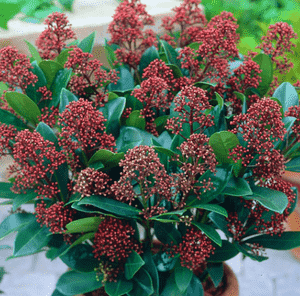
Japanese skimmia is recognized for its lively, lustrous green foliage and clusters of aromatic white to red blossoms that appear in spring. The plant yields red berries in autumn, providing a burst of color during colder periods. Its dense, compact growth makes it an excellent choice for hedges or as a solitary decorative shrub. Whether you desire a formal garden or a more relaxed, natural aesthetic, Japanese skimmia offers a versatile option that enhances various landscape styles.
Brief explanation of Japanese skimmia's popularity in landscaping
A primary reason for Japanese skimmia's popularity in landscaping is its minimal upkeep and year-round visual appeal. It adapts well to diverse soil types and resists pests and diseases, making it an ideal selection for both new and experienced gardeners. Furthermore, its tolerance for shaded conditions allows it to flourish where other plants might struggle, making it a valuable addition to any garden with varying light levels.
Strategic Placement of Japanese Skimmia in Garden Layouts
Selecting the optimal location for Japanese skimmia
Choosing the ideal spot for Japanese skimmia involves considering its light and soil needs. Ideally, Japanese skimmia prefers partial shade, but it can endure full shade, making it perfect for planting beneath trees or in shaded borders. Ensure the soil is well-drained and rich in organic matter to encourage vigorous growth. Avoid placing it in direct sunlight as this can scorch its leaves and diminish its overall vitality.
Advice on combining Japanese skimmia with other plants
When pairing Japanese skimmia with other plants, consider its growth habit and your garden's visual appeal. It complements shade-loving perennials like hostas and ferns, creating a lush, multi-layered look. Additionally, combining Japanese skimmia with spring bulbs can enhance early-season blooms, while its evergreen foliage provides a consistent green backdrop. Arranging Japanese skimmia in odd numbers can also create a more natural, visually pleasing composition.
Maximizing seasonal interest with Japanese skimmia
To enhance seasonal changes, strategically position Japanese skimmia where its flowers and berries will be most prominently displayed. In spring, the fragrant blooms will attract pollinators and add sensory delight. During autumn and winter, the bright red berries offer a striking contrast against the dark foliage and bare landscape, maintaining visual interest even in colder months. Integrating Japanese skimmia into areas with good winter visibility ensures your garden remains vibrant throughout the year.
Integrating Japanese Skimmia with Hardscape Elements
Ideas for pairing Japanese skimmia with rocks, pathways, and walls
Japanese skimmia can be seamlessly incorporated with various hardscape features to enhance your garden's structure. Planting it alongside stone paths or patios creates a soft border that beautifully contrasts with rigid textures. Consider using Japanese skimmia to line walkways, adding a layer of greenery and guiding the eye through the space. Its compact size and neat habit also make it perfect for framing entryways or as a low-maintenance alternative to traditional hedges.
How Japanese skimmia's color and texture complement man-made structures
The vibrant green foliage of Japanese skimmia and its seasonal berries offer a natural complement to man-made garden structures. When planted near walls or fences, Japanese skimmia can soften these hardscapes and integrate them more naturally into the landscape. Its texture contrasts well with materials like brick, stone, or wood, adding depth and interest to your garden design. Moreover, using Japanese skimmia in container gardens is an excellent way to adorn patios and balconies, making these spaces appear more inviting.
Seasonal Care for Japanese Skimmia in Gardens
General guidelines for maintaining Japanese skimmia throughout the year
Maintaining Japanese skimmia across seasons involves fundamental care practices that keep it healthy and thriving. Consistent watering during dry periods, especially in its first year after planting, is vital. Mulching around the base helps retain moisture and regulate soil temperature. Pruning after the flowering season encourages denser growth and maintains a neat appearance. Fertilize annually in spring with a balanced, slow-release fertilizer to promote vigorous growth and blooming.
Preparing Japanese skimmia for winter conditions
Preparing Japanese skimmia for winter involves a few simple steps to ensure it stays healthy and vibrant during colder months. Begin by applying a thick layer of mulch around the base in late autumn to protect roots from freezing temperatures. Watering deeply before the ground freezes can also help prevent winter desiccation. If your area experiences heavy snowfall, gently brush off the snow to avoid branch breakage. For added protection, consider covering younger plants with burlap to shield them from harsh winds and frost.
Common Errors to Avoid When Landscaping with Japanese Skimmia
Issues with overcrowding Japanese skimmia
Overcrowding is a frequent error when planting Japanese skimmia, as it needs ample space to flourish. Planting too closely can lead to poor air circulation, increasing the risk of diseases and pests. Ensure you space each plant approximately 2-3 feet apart to allow for their mature spread. This spacing not only promotes healthier growth but also ensures each plant has sufficient resources to develop fully, resulting in a more attractive and robust landscape.
Disregarding Japanese skimmia's growth habits
Ignoring Japanese skimmia's growth patterns can lead to maintenance difficulties and a less appealing garden. This shrub tends to grow slowly but can become quite dense over time. Regular pruning helps manage its shape and size, preventing it from becoming leggy or overly crowded. Pay attention to its natural form and prune accordingly to maintain a balanced and aesthetically pleasing appearance. Understanding and respecting Japanese skimmia's growth habits will ensure it remains a prominent feature in your landscape.



