Enhancing Your Garden Design with the Cup plant Plant: A Landscaping Guide
1
Cup plant draws in numerous pollinators, such as bees and butterflies, thereby improving the local environment.
2
Cup plant needs little care after it's rooted, perfect for gardeners with limited time.
3
Cup plant offers aesthetic appeal across all seasons, guaranteeing your garden consistently presents something engaging.
Why Select Cup plant for Your Garden?
Appealing to Pollinators: How Cup plant Supports Local Wildlife
Cup plant acts as a draw for bees, butterflies, and other helpful insects. These pollinators are vital for your garden's well-being, as they aid in plant fertilization, leading to more abundant blossoms. Simply adding Cup plant can transform your garden into a bustling, flourishing habitat.
Low Maintenance: The Durability and Resilience of Cup plant
Cup plant is recognized for its toughness and ability to flourish in diverse conditions, requiring minimal attention once established. This plant can endure dry spells and poor soil quality, making it a robust option for gardeners with limited time for intensive upkeep. Infrequent watering and occasional trimming are typically enough to keep Cup plant looking its best.
Year-Round Appeal: Describing the Seasonal Charm of Cup plant
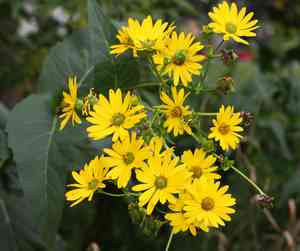
A key characteristic of Cup plant is its capacity to offer visual interest throughout the year. In spring and summer, its vivid yellow flowers bloom, attracting various pollinators. As autumn nears, the foliage develops a rich hue, adding warmth to your garden. Even in winter, the sturdy stems and seed heads provide structure and texture against the stark landscape.
Incorporating Cup plant into Various Garden Styles
Formal Gardens: Integrating Cup plant with Symmetrical Designs
Cup plant can be included in formal gardens by arranging them in balanced groups or rows. Their tall, upright growth habit adds height and structure, making them suitable for creating borders or as accent plants in geometric layouts. Combine Cup plant with neatly trimmed shrubs and hedges to maintain a tidy and organized appearance.
Cottage Gardens: Utilizing Cup plant to Enhance Informal, Flower-Rich Layouts
In a cottage garden, Cup plant can be a delightful addition due to its natural and relaxed aesthetic. Its large, bright flowers complement a mix of perennials and annuals, adding a burst of color and texture. Plant Cup plant alongside daisies, lavender, and foxgloves to create a charming, English country garden feel. The key is to plant them in clusters for a lush, overflowing effect.
Modern Landscapes: Positioning Cup plant in Minimalist and Functional Areas
For modern landscapes, Cup plant can serve as a striking focal point due to its bold and simple form. Its tall stature and clean lines fit well with minimalistic aesthetics, adding vertical interest without overwhelming the space. Use Cup plant in conjunction with materials like concrete, steel, and gravel to enhance the contemporary feel of your garden. Consider using it in planters or as part of a minimalist garden bed.
Site Preparation and Planting Advice for Cup plant
Soil Requirements: Optimal Conditions for Cup plant Development
While Cup plant is quite adaptable, providing ideal soil conditions will ensure its prosperity. Well-drained soil enriched with organic matter such as compost is perfect. It can tolerate a range of pH levels but prefers a slightly acidic to neutral environment. If your soil is heavy or clay-like, consider amending it with sand or perlite to improve drainage.
Planting Methods: Best Practices for Establishing Cup plant
To plant Cup plant, dig a hole twice as wide and just as deep as the root ball. Place the plant in the hole, ensuring the top of the root ball is level with the soil surface. Backfill with soil, pressing gently to remove air pockets. Water thoroughly after planting to settle the soil. Mulching around the base can help retain moisture and suppress weeds, giving Cup plant a strong start.
Spacing Guidelines: Ensuring Space for Growth and Health of Cup plant
Proper spacing is vital for the health and development of Cup plant. Each plant should be spaced at least 3 to 4 feet apart to allow adequate airflow and reduce the risk of diseases. This spacing also ensures that the plants have enough room to spread and develop fully. If planting in rows or groups, maintain this distance consistently for a uniform look.
Companion Planting: Ideal Neighbors for Cup plant
Visual Harmony: Selecting Complementary Colors and Textures
To create visual harmony in your garden, pair Cup plant with plants that complement its color and texture. Consider plants with contrasting foliage or flower colors. For instance, blue or purple flowers like salvia or lavender can create a striking contrast with Cup plant's bright yellow blooms. Additionally, grasses with fine textures can accentuate the bold structure of Cup plant.
Mutual Benefits: How Cup plant and Its Neighbors Can Thrive Together
Companion planting with Cup plant can offer reciprocal advantages. Plants that attract beneficial insects, such as dill or yarrow, can help control pests around Cup plant. Additionally, nitrogen-fixing plants like clover can improve soil fertility, benefiting all nearby plants. Consider interplanting with herbs and vegetables that can thrive under similar conditions, creating a more productive and healthy garden ecosystem.
Avoiding Conflict: Plants to Keep Away From Cup plant
While Cup plant is quite adaptable, some plants may not flourish in its company. Avoid planting it too close to smaller, more delicate plants that might be overshadowed or deprived of nutrients. Plants with aggressive root systems, like certain types of ivy or bamboo, should also be kept at a distance to prevent competition for resources. Careful planning will ensure all plants in your garden can shine.



