Enhancing Your Garden Design with the Sweet william catchfly Plant: A Landscaping Guide
1
Sweet william catchfly adds aesthetic appeal through its vivid hues and distinct blossom shape.
2
Optimal development for Sweet william catchfly occurs in soil that drains effectively and receives abundant sun.
3
Pairing Sweet william catchfly with suitable companion plants can achieve a cohesive and pleasing garden aesthetic.
Appreciating the Visual Qualities of Sweet william catchfly
Exploring Aesthetic Appeal: Color and Structure
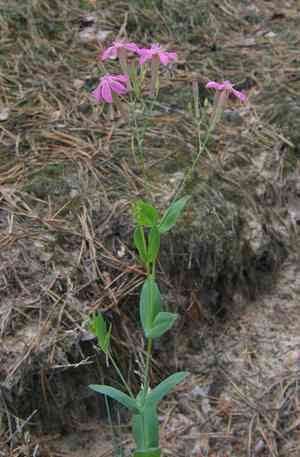
The allure of Sweet william catchfly stems from its strikingly vivid hues and captivating flower shapes. This plant typically displays a rich spectrum, from bright pinks to deep magentas, effortlessly drawing the eye and adding richness to garden environments. When planning your garden layout, consider how these bursts of color can highlight specific areas. Furthermore, the star-shaped blossoms of Sweet william catchfly introduce an intricate texture that beautifully contrasts with simpler foliage, providing an element of surprise and delight.
Seasonal Transformations: What to Expect from Sweet william catchfly
Understanding the seasonal behavior of Sweet william catchfly is vital for maintaining a dynamic landscape throughout the year. During spring and summer, Sweet william catchfly bursts into full bloom, displaying its vibrant colors and making a bold statement in any outdoor space. As seasons shift to fall and winter, the foliage may lose some of its brilliance, yet it still offers a charming backdrop for other seasonal plants. Planning for these changes ensures your garden remains vibrant and engaging year-round, with Sweet william catchfly playing a flexible role within your planting scheme.
Optimal Practices for Planting Sweet william catchfly in Gardens
Selecting the Appropriate Site
Choosing the ideal spot for Sweet william catchfly in your garden is crucial for its success. Seek an area that provides partial to full sun exposure, as this will promote vigorous growth and abundant flowering. Avoid low-lying areas where water might collect, as Sweet william catchfly prefers well-drained conditions. Enhance your landscape design by placing Sweet william catchfly in prominent spots like borders, front yards, or near pathways where its vibrant colors can be fully appreciated by visitors and passersby.
Soil and Sunlight Requirements
The correct combination of soil and sunlight is essential for Sweet william catchfly to flourish. Aim for soil that is rich in organic matter and possesses good drainage capabilities. To improve your garden soil, consider incorporating compost or a balanced garden mix. Moreover, ensure that Sweet william catchfly receives at least 4 to 6 hours of sunlight daily. This combination not only stimulates growth but also intensifies the vivid colors that Sweet william catchfly is known for, making your garden look its best season after season.
Pairing Sweet william catchfly with Other Plants
Suggested Companion Plants
Combining Sweet william catchfly with other plants can enhance the aesthetic appeal of your landscape. Consider pairing it with plants that offer contrasting foliage or complementary blooms, such as lavender, garden sage, or ornamental grasses. These plants not only introduce variety in texture and color but also share similar growth requirements, ensuring a harmonious and low-maintenance garden. The striking colors of Sweet william catchfly against the muted tones of grasses or the deep purples of sage can create a captivating visual balance.
Achieving a Harmonious Appearance
Creating a balanced garden involves thoughtful placement and careful selection of plant companions for Sweet william catchfly. Alternate tall and short plants to create depth and layers, and mix evergreen plants with seasonal bloomers for year-round interest. Consider the planting density as wellâspreading Sweet william catchfly clusters sporadically through other plant groupings can create natural-looking drifts that unify the garden design. The key is to allow each plantâs unique features to shine while contributing to the overall harmony of your landscape.
Ongoing Care for Sweet william catchfly in Landscaping
Watering and Fertilizing Needs
To keep Sweet william catchfly thriving, consistent watering and appropriate feeding are essential. While Sweet william catchfly does not require excessive watering, ensuring the soil remains consistently moistâespecially during dry periodsâwill support its growth. Water deeply but infrequently to encourage a robust root system. Additionally, feeding Sweet william catchfly with a balanced, slow-release fertilizer in the spring and mid-summer can promote abundant blooms and healthy foliage. Always adhere to the fertilizer manufacturerâs recommendations to prevent overfeeding.
Pruning and Seasonal Care Advice
Proper pruning and seasonal care are crucial for maintaining the visual appeal and health of Sweet william catchfly. Removing spent flowers periodically encourages new growth and keeps the plant looking neat. In late fall, consider trimming back the plant to prepare it for the winter season, which can help manage its size and encourage more vigorous growth in spring. Also, monitor for any pests or diseases and address them promptly to preserve the plantâs vitality. A little attention throughout the year significantly contributes to sustaining the beauty of Sweet william catchfly in your landscape.



