Enhancing Your Garden Design with the Common houseleek Plant: A Landscaping Guide
1
Sempervivum tectorum is remarkably resilient, perfect for diverse garden layouts.
2
Sempervivum tectorum provides both visual charm and ecological advantages.
3
Sempervivum tectorum holds deep historical importance in landscape architecture.
An Introduction to Sempervivum in Landscape Design
What is Sempervivum? Understanding its fundamental landscape characteristics
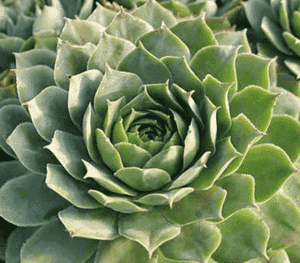
Sempervivum, commonly known as Common Houseleek, is a succulent perennial plant belonging to the Crassulaceae family. It is renowned for its capacity to flourish in harsh environments, making it a favored option for gardeners seeking low-maintenance yet visually appealing plants. Its rosette of thick, fleshy leaves comes in various hues, from green to a delicate purple, adding distinct texture and color to your outdoor space.
Why select Sempervivum for your garden? Exploring its aesthetic and ecological advantages
Integrating Sempervivum into your garden can enhance your landscape's beauty and positively impact the ecosystem. The plant's symmetrical rosettes and vibrant colors create a striking visual effect. Environmentally, Sempervivum is recognized for its drought-tolerant qualities, making it a sustainable choice by reducing the need for frequent irrigation. It can also prevent soil erosion and offer habitats for beneficial insects.
The historical importance of Sempervivum in garden aesthetics
Sempervivum boasts a rich history in garden design, dating back to ancient times. Traditionally, it was believed to safeguard homes from lightning and possess medicinal properties. Early European settlers frequently planted Sempervivum on rooftops, leading to its moniker 'roof houseleek.' Its enduring presence in gardens globally attests to its adaptability and lasting charm.
Design Concepts Utilizing Sempervivum
Incorporating Sempervivum into rockeries
Rock gardens offer a natural setting that emulates Sempervivum's native mountainous habitats. To integrate Sempervivum into your rockery, position it among stones and gravel to accentuate its geometric form. Its ability to grow in rocky soil makes it an excellent choice for creating impressive, low-upkeep displays.
Employing Sempervivum for border and edge solutions
Sempervivum serves as an excellent border or edging plant due to its compact growth habit. Planting Sempervivum along garden paths or the perimeters of flower beds can establish clear boundaries and create a neat, orderly appearance. Its low stature ensures it won't overshadow other plants, while its unique textures add visual interest.
Innovative ways to showcase Sempervivum in container plantings
Container gardens are a wonderful method to display Sempervivum's allure. Use shallow pots, troughs, or even repurposed items like teacups to craft miniature arrangements. Sempervivum's modest watering requirements make it well-suited for container life. Arrange multiple containers with other succulents to create a diverse and visually appealing setup.
Integrating Sempervivum into green roof systems
Green roofs present an inventive approach to utilize Sempervivum. Its minimal water needs make it ideal for rooftops exposed to the elements. A green roof planted with Sempervivum not only enhances visual appeal but also provides insulation and aids in managing rainwater runoff, contributing to energy efficiency and environmental sustainability.
Cultivation and Climate Considerations for Sempervivum
Understanding the optimal growing conditions for Sempervivum
Sempervivum thrives best in well-drained soil and sunny locations. While it can endure partial shade, full sun exposure ensures peak growth and vibrant colors. The plant prefers poor to average soil, eliminating the need for rich, fertilized ground. Once established, Sempervivum requires minimal watering, making it incredibly resilient in arid regions.
How to adapt landscaping practices for Sempervivum in diverse climates
While Sempervivum is highly adaptable, some climate-specific adjustments can optimize its growth. In colder areas, ensure adequate drainage to prevent root rot from wet, freezing conditions. In extremely hot climates, consider partial shade to protect against intense afternoon sun. Mulching around the base can help retain moisture and moderate soil temperatures.
The hardiness and adaptability of Sempervivum across various environments
Sempervivum's adaptability is one of its greatest assets. It can survive in rocky outcrops, sandy soils, and even poor, compacted ground. Its ability to thrive in diverse conditions makes it perfect for challenging landscaping areas where other plants might struggle. This resilience ensures that Sempervivum can be a steadfast feature in your garden for years to come.
Maintenance Guidelines for Landscaping with Sempervivum
Basic upkeep: Essential practices to keep Sempervivum flourishing in your garden
Maintaining Sempervivum is relatively straightforward. Ensure good drainage to prevent waterlogging, which can cause root rot. Removing dead leaves or spent rosettes helps maintain a clean appearance and promotes healthy growth. Occasional weeding is necessary to prevent competition for resources.
Seasonal care for Sempervivum: Preparing for changes throughout the year
Seasonal care for Sempervivum involves adjusting to weather conditions. In winter, protect it from extreme cold by providing a layer of mulch or cover. During the growing season, ensure consistent sunlight and minimal water. Trim back any leggy growth to maintain a compact, attractive shape.
Common challenges and solutions in Sempervivum landscaping
Common issues with Sempervivum include overwatering and pest problems. To resolve overwatering, ensure proper soil drainage and moderate your watering schedule. Pest issues, such as aphids or mealybugs, can be managed with insecticidal soap or natural predators like ladybugs. Regular observation helps catch and address problems early.



