Enhancing Your Garden Design with the Peacock moss Plant: A Landscaping Guide
1
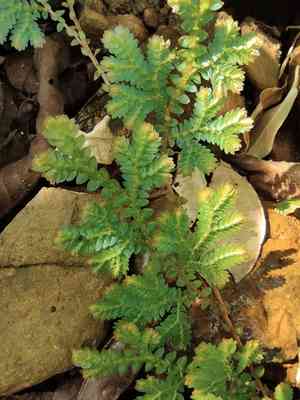
Peacock moss flourishes in dim garden spots, perfect for planting beneath trees.
2
Peacock moss is recognized for its vivid blue-green hue, bringing a distinct flair to any setting.
3
Requiring minimal upkeep and visually impressive, Peacock moss suits both new and seasoned gardeners.
Introducing Peacock Moss in Garden Design
Overview of Peacock moss as a landscaping option
Peacock moss has become a favored choice among garden enthusiasts due to its striking appearance and simple upkeep. Unlike typical ground covers, Peacock moss offers a distinct texture and vivid blue-green foliage that enhances any garden. This creeping plant is perfect for forming lush, carpet-like layers on the ground, adding both visual and tactile appeal to your outdoor area.
The visual impact of Peacock moss in garden layouts
The visual effect of Peacock moss is remarkable. Its shimmering foliage shifts hues between green and blue with changing light, bringing a dynamic element to garden designs. It's particularly effective when used extensively, covering larger areas or bordering pathways. This plant can transform a plain garden into a visually captivating sanctuary.
Advantages of incorporating Peacock moss into outdoor areas
Integrating Peacock moss into your garden offers numerous benefits. It not only fills empty spaces but also aids in erosion control on sloped terrains. Its dense matting habit suppresses weeds and retains soil moisture, simplifying garden upkeep. Furthermore, it provides a soft ground cover that visually softens hard garden elements like rocks and stepping stones.
Choosing the Optimal Spot for Peacock Moss
Analyzing light requirements for Peacock moss
Peacock moss thrives in shaded to partially shaded environments. While it can endure some direct sunlight, excessive exposure can cause its leaves to scorch and lose their characteristic sheen. A shaded or dappled sunlight setting, such as beneath trees or in the shadow of larger plants, is ideal for maintaining its vibrant colors and robust growth.
Considerations for space and arrangement
When planning your garden layout, it's crucial to consider the area Peacock moss will occupy. This plant spreads horizontally, often forming a dense, carpet-like layer. Ensure it has ample room to expand, especially if planting near other ground covers or perennials. Proper spacing will prevent overcrowding and encourage healthy development.
Integrating Peacock Moss with Other Flora
Complementary plants that enhance Peacock moss's beauty
Peacock moss pairs wonderfully with various plants. Hostas, ferns, and other shade-loving foliage plants create a harmonious and verdant garden scene. For added color, consider accompanying it with perennial flowers like Astilbe or Heuchera, which flourish in similar conditions and offer contrast without overshadowing the subtle charm of Peacock moss.
Tips for creating aesthetically pleasing plant groupings
To create visually appealing plant arrangements with Peacock moss, consider the principles of contrast and complement. Use Peacock moss as a foreground plant to frame vibrant perennials or as an underplanting for taller shrubs and trees. Mixing different textures and heights will add depth and interest to your garden design, allowing each plant to stand out while contributing to a unified look.
Avoiding common errors in plant compatibility
A frequent mistake when integrating Peacock moss with other plants is pairing it with species that have vastly different water or light needs. Ensure that all plants in the grouping share similar requirements to prevent one from dominating or hindering the growth of another. Avoid overly aggressive spreaders that might directly compete with Peacock moss for space and resources.
Maintenance Advice for Peacock Moss in Your Garden
Routine care practices for optimal health of Peacock moss
Regular care for Peacock moss involves consistent watering, especially during dry periods, ensuring the soil remains moist but not waterlogged. Periodically check for and remove weeds that may invade its area. Although it's relatively low maintenance, occasional trimming of overgrown edges can help maintain its tidy appearance and stimulate new growth.
Seasonal considerations for sustaining Peacock moss
Seasonal changes necessitate specific considerations for Peacock moss. In winter, protect it from frost damage by adding a layer of mulch. During the active growth season, feed it with a balanced, slow-release fertilizer to support vigorous development. If your region experiences extreme temperatures, create microclimates by planting it under tree canopies or near structures that provide shelter.
Addressing common challenges in landscaping with Peacock moss
While generally robust, Peacock moss can encounter challenges such as pest infestations or root rot. Combat pests by introducing beneficial insects or using natural deterrents like neem oil. Ensure your soil has excellent drainage to prevent rot. Should you notice any discoloration or wilting, promptly address the underlying issue to restore the plant's vitality.



