Enhancing Your Garden Design with the White stonecrop Plant: A Landscaping Guide
1
White stonecrop is recognized for its tolerance to dry conditions and capacity to flourish in infertile ground.
2
Including White stonecrop can decrease the necessity for regular irrigation and nutrient application.
3
White stonecrop contributes to establishing lively, easy-to-care-for environments that foster native wildlife.
Introducing White Stonecrop in Garden Design
Distinctive Features of White Stonecrop
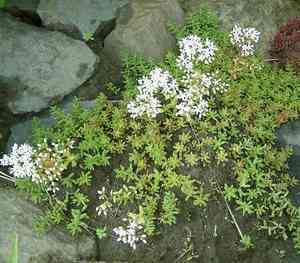
White stonecrop is an outstanding plant offering unique characteristics perfect for garden design. Renowned for its resilience, it thrives in diverse settings, from full sun to partial shade. Its drought tolerance makes it an excellent choice for water-efficient gardens. Furthermore, White stonecrop showcases lovely white blooms and fleshy green leaves, adding both texture and color to your garden year-round.
Benefits of Incorporating White Stonecrop into Your Garden
Selecting White stonecrop for your garden can offer many advantages. Its minimal care requirements mean less time spent on upkeep and more time enjoying your landscape's beauty. White stonecrop's ability to grow in poor soils allows you to utilize garden areas where other plants might struggle. Additionally, it serves as a versatile ground cover, preventing soil erosion and inhibiting weed growth.
Integrating White Stonecrop into Your Landscape Scheme
Design Concepts for Using White Stonecrop
Incorporating White stonecrop into your landscape design can be both enjoyable and rewarding. You can create beautiful rock gardens, where it complements stones and pebbles with its vibrant foliage. It also performs well in containers, adding a touch of green to your patio or balcony. For a striking effect, consider using White stonecrop in vertical gardens, where its trailing growth habit can create stunning visual displays on walls or trellises.
Companion Plants for White Stonecrop
Pairing White stonecrop with other compatible plants can enhance its visual appeal and ecological benefits. Succulents like Echeveria or Sempervivum make ideal companions, sharing similar water and light needs. For a more varied garden, consider adding ornamental grasses or perennial flowers such as lavender or salvia, which can provide contrasting textures and colors, making the landscape more dynamic and visually engaging.
Care Guidelines for White Stonecrop in Landscapes
Seasonal Maintenance for Optimal Growth
Caring for White stonecrop is relatively straightforward, but seasonal adjustments ensure peak growth. In spring, lightly trim White stonecrop to remove any winter damage and encourage new growth. Summer requires minimal intervention, apart from occasional watering during prolonged dry periods. In autumn, clear away fallen leaves to prevent moisture accumulation around the plant's base. During winter, White stonecrop typically needs no special care, as it is frost-hardy in most climates.
Common Problems and Solutions for White Stonecrop
Despite its robust nature, White stonecrop can sometimes encounter issues like overwatering or pest infestations. Overwatering is the most frequent problem, potentially leading to root rot. Ensure White stonecrop is planted in well-draining soil and avoid excessive irrigation. If pests such as aphids or mealybugs appear, a simple solution is to use insecticidal soap or a homemade mixture of water and mild detergent. Regular inspection and prompt action can prevent these issues from worsening.
Environmental Advantages of Adding White Stonecrop to Your Garden
Ecological Benefits of White Stonecrop
Adding White stonecrop to your garden can have positive ecological effects. Its succulent leaves store water efficiently, reducing the need for frequent irrigation. This not only conserves water but also lowers your garden's environmental impact. White stonecrop also helps improve soil health by increasing organic matter and fostering beneficial microbial activity, creating a more sustainable garden ecosystem.
Supporting Local Wildlife with White Stonecrop
White stonecrop plays a valuable role in supporting local wildlife, especially pollinators like bees and butterflies. Its small white flowers provide a nectar source when other plants may not be blooming. Ground-nesting bees can find shelter in the undisturbed soil around White stonecrop, contributing to the preservation of pollinator populations. Planting White stonecrop can transform your garden into a sanctuary for beneficial insects and other wildlife.
Innovative Applications of White Stonecrop in Landscape Architecture
Structural and Aesthetic Functions of White Stonecrop
White stonecrop excels in both structural and aesthetic capacities within landscape architecture. It is frequently used to soften the edges of pathways and patios, creating a seamless transition between hardscapes and greenery. Its mat-forming habit makes it suitable for filling gaps between stepping stones or as a living mulch beneath larger shrubs and trees. The bright white flowers and succulent leaves enhance the visual appeal of any garden space.
Project Examples and Successful Implementations
Numerous successful projects feature White stonecrop prominently. For instance, in urban environments, White stonecrop has been utilized in green roofs to provide insulation and aid stormwater management. In suburban areas, designers have employed White stonecrop in xeriscaping projects, significantly reducing water consumption while maintaining a lush, green appearance. These examples demonstrate White stonecrop's adaptability and effectiveness in various landscaping contexts.



