Enhancing Your Garden Design with the Goldmoss stonecrop Plant: A Landscaping Guide
1
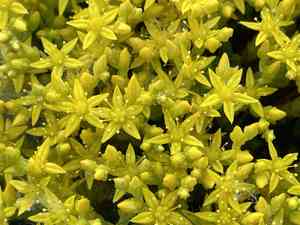
Sedum acre, or Goldmoss stonecrop, is recognized for its bright yellow blooms and fleshy green foliage.
2
This plant flourishes in sandy, well-draining soil and sunny spots, making it perfect for xeriscaping.
3
Incorporating Goldmoss stonecrop aids in water saving because of its ability to withstand dry conditions.
Introducing Goldmoss Stonecrop in Garden Design
Overview of Goldmoss Stonecrop's Appearance
When considering Goldmoss stonecrop for your outdoor space, you'll be pleased by its lively and captivating look. This plant displays tiny, star-shaped yellow blossoms that flower abundantly, offering a burst of color that's hard to overlook. Accompanying these blooms are its fleshy, green leaves that form dense mats. This blend of foliage and flowers makes Goldmoss stonecrop a visually engaging addition to any garden.
General Advantages of Using Goldmoss Stonecrop in Landscapes
Goldmoss stonecrop provides numerous benefits beyond its aesthetic appeal. It's a robust, low-maintenance plant suitable for various garden styles. Its drought-tolerant nature makes it an excellent choice for water-efficient gardening, promoting sustainability. Additionally, Goldmoss stonecrop aids in preventing soil erosion, making it perfect for sloped areas. The plant's hardiness and adaptability ensure it flourishes with minimal care.
Optimal Placement of Goldmoss Stonecrop in Landscape Design
Ideal Locations for Goldmoss Stonecrop in a Garden
Goldmoss stonecrop thrives best in spots receiving full or partial sunlight. It prefers well-drained soil and performs exceptionally well in rock gardens, where it can settle into crevices. This plant is also an ideal candidate for xeriscapingâlandscaping that reduces or eliminates the need for irrigation. Incorporating Goldmoss stonecrop into dry, rocky areas or sunny borders can bring both beauty and practicality to your garden.
Pairing Goldmoss Stonecrop with Other Plants: Harmony and Contrast
Creating a balanced and visually pleasing garden involves using a variety of plants that complement each other. Goldmoss stonecrop pairs beautifully with herbs, ornamental grasses, and other low-growing succulents. For a striking contrast, combine Goldmoss stonecrop with taller perennials or shrubs; the yellow blooms against green foliage can create an eye-catching display. This contrast not only adds visual interest but also ensures that different layers of height and texture are well-represented in your garden.
Design Concepts Featuring Goldmoss Stonecrop
Creating Focal Points with Artistic Goldmoss Stonecrop Arrangements
One creative way to showcase Goldmoss stonecrop is to establish focal points using artistic arrangements. Plant Goldmoss stonecrop in geometric patterns, spirals, or mosaics within a rockery or along pathways. This technique highlights the plant's natural beauty while adding a touch of creative design to your landscape. Such arrangements can become conversation starters and can significantly enhance the aesthetic appeal of your garden.
Utilizing Goldmoss Stonecrop as Ground Cover: Aesthetic and Practical Aspects
Goldmoss stonecrop serves exceptionally well as a ground cover, providing a lush green carpet that transforms bare spots into vibrant areas. It can effectively suppress weeds, reducing the need for herbicides and manual weeding. Moreover, using Goldmoss stonecrop as a ground cover helps in stabilizing the soil and preventing erosion. It is especially beneficial in gardens with slopes or uneven terrain. Its dense, mat-forming habit ensures coverage and creates a cohesive look.
Seasonal Changes and Their Effect on Goldmoss Stonecrop's Appearance
Goldmoss stonecrop offers subtle yet appealing seasonal variations. During its blooming period, typically in spring and early summer, the plant is adorned with bright yellow flowers. As the seasons change, flowers may fade, but the succulent foliage remains attractive year-round. These seasonal changes can add dynamic visual interest to your garden, ensuring it remains appealing through different times of the year.
Care Guidelines for Goldmoss Stonecrop in Landscapes
Essential Care Routines for Thriving Goldmoss Stonecrop
Maintaining Goldmoss stonecrop in your garden involves simple yet effective care routines. Ensure it receives adequate sunlight, preferably around six hours per day. Although Goldmoss stonecrop is drought-tolerant, occasional watering during prolonged dry spells can help keep it healthy. Prune away dead or damaged growth to encourage new development, and consider dividing overcrowded clumps every few years to maintain vigor.
Seasonal Adjustments for Optimal Goldmoss Stonecrop Growth
Adjusting care routines with the seasons can optimize the growth of Goldmoss stonecrop. In the spring, apply a light mulch to protect emerging shoots. Summer requires vigilant watering during extreme heat, while fall is an excellent time to divide and replant. In winter, minimal maintenance is neededâas the plant is quite hardyâbut ensuring good drainage will prevent root rot. These adjustments help Goldmoss stonecrop thrive in various conditions.
Eco-Friendly Advantages of Incorporating Goldmoss Stonecrop in Your Garden
Sustainability Aspects of Choosing Goldmoss Stonecrop
Choosing Goldmoss stonecrop for your garden aligns with sustainable gardening practices. Its resilience and low water requirements contribute to reduced resource consumption. By incorporating Goldmoss stonecrop, you're supporting an eco-friendlier garden approach that minimizes environmental impact. Moreover, this plant attracts pollinators, fostering a biodiverse ecosystem that benefits other plants and wildlife in your garden.
Water Conservation Benefits
Goldmoss stonecrop excels in water conservation, boasting succulent leaves that store moisture efficiently. This makes it perfect for arid environments or regions susceptible to drought. By requiring less frequent watering, Goldmoss stonecrop helps conserve waterâa critical resourceâwhile maintaining an attractive and sustainable garden presence. Its ability to thrive with minimal hydration highlights its role in eco-conscious landscaping.



