Enhancing Your Garden Design with the Portuguese squill Plant: A Landscaping Guide
1
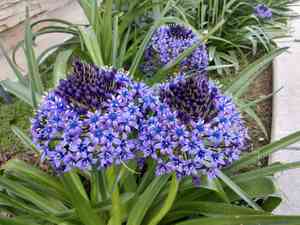
Portuguese squill provides vivid hues and captivating forms that significantly boost aesthetic charm.
2
This plant flourishes during particular times of the year, bringing continuous allure to your outdoor space.
3
It complements numerous other flora, rendering it exceptionally adaptable for diverse garden layouts.
Appreciating Portuguese Squill's Charm in Garden Design
Visual Appeal: Color and Form
Portuguese squill boasts a striking look that can instantly enhance any garden. Its blossoms' vivid color, combined with their distinct shape, offers a visually captivating element to your landscape. The radial arrangement of its flowers creates a full, dense appearance that can attract the eye and foster a lush, abundant feel. Whether it's the focal point or part of a mixed border, Portuguese squill undeniably makes a stunning impression.
Seasonal Interest: When Portuguese Squill Flourishes
A key characteristic of Portuguese squill is its peak growth period. Typically, Portuguese squill flowers in spring, providing a burst of color just as your garden awakens from winter slumber. This seasonal appeal helps ensure your garden has a dynamic and evolving look, offering a fresh appearance as seasons change. The anticipation of Portuguese squill's bloom becomes a seasonal highlight for any gardener.
Companion Plants: What Complements Portuguese Squill?
Portuguese squill pairs beautifully with various other plants, making it a versatile choice for mixed planting schemes. Consider combining it with early-blooming bulbs like daffodils or tulips to amplify its springtime presence. Ground covers such as creeping thyme or low-growing sedum can also create a lovely contrast and add diversity to your garden's texture. The secret to a harmonious garden design lies in selecting companions that complement Portuguese squill's color and growth habit while sharing similar care needs.
Designing with Portuguese Squill: Strategic Placement Ideas
Borders and Edges: Defining Areas
Portuguese squill is ideal for creating distinct borders and edges in your garden. Its structured blooms and foliage can serve as a natural frame, separating different garden zones and creating an organized yet lush aesthetic. Plant Portuguese squill along paths, driveways, or at the edge of flower beds to achieve a beautiful, layered effect that guides the eye and improves the overall garden layout.
Focal Points: Establishing Visual Anchors
Utilizing Portuguese squill as a focal point in your garden design can establish a powerful visual anchor. Its striking flowers and strong presence can draw attention and create a central point of interest in your garden. Placing Portuguese squill in a prominent, isolated spot, such as the center of a lawn or at the end of a garden path, can highlight its beauty and emphasize your gardenâs layout, adding a professional touch to any landscaping project.
Ground Cover: Maximizing Color Spread
Portuguese squill also functions well as a ground cover, especially in areas where you desire a pop of color without extensive upkeep. Its spreading habit and colorful blooms can help fill empty spaces and deter weeds, offering both beauty and utility. When using Portuguese squill for ground cover, ensure you plant in clusters to achieve a fuller look that truly maximizes its visual impact.
Maintaining Portuguese Squill in Your Garden: Essential Advice
Watering Needs: Keeping Portuguese Squill Healthy
Portuguese squill requires consistent moisture to thrive, particularly during its flowering period. Ensure the soil is damp but well-drained, as waterlogged conditions can lead to root rot. Water deeply but infrequently, allowing the soil to dry out slightly between watering sessions. This method helps establish strong roots and encourages abundant blooming.
Soil Preferences: Ensuring Optimal Growing Conditions
For best growth, plant Portuguese squill in soil rich in organic matter and well-draining. Sandy or loamy soils are especially suitable, as they prevent water from accumulating around the roots. Amending your garden soil with compost or well-rotted manure can enhance its fertility and texture, providing Portuguese squill with the nutrients it needs to flourish.
Lighting Considerations: Finding the Ideal Location
Portuguese squill prefers a spot that receives full sun to partial shade. The perfect location would get sunlight for at least 6 hours daily, helping to maximize flower production. In hotter climates, providing some afternoon shade can prevent scorching and ensure Portuguese squill remains healthy throughout the growing season.
Seasonal Care for Portuguese Squill: Preparing for Changing Seasons
Spring Preparation: Optimizing New Growth
Spring is the ideal time to ensure Portuguese squill is ready for its flowering period. Start by clearing any winter debris around the plant and applying a balanced fertilizer to encourage healthy growth. Mulching around the base can help retain moisture and suppress weeds, giving Portuguese squill the right conditions to thrive.
Summer Maintenance: Protecting from Heat
During the summer months, itâs vital to monitor Portuguese squill to prevent heat stress. Regular watering and light mulching can help maintain soil moisture and keep roots cool. Providing shade during the hottest part of the day can also protect Portuguese squill from burning and wilting.
Autumn and Winter Care: Preparing for Dormancy
As autumn approaches, begin preparing Portuguese squill for its dormant phase. Trim back any dead or dying foliage and reduce watering to prevent waterlogging. Applying a layer of mulch around the plant can insulate the roots and protect them from frost during the winter months, ensuring Portuguese squill emerges healthy and vigorous in the spring.



