Enhancing Your Garden Design with the False christmas cactus Plant: A Landscaping Guide
1
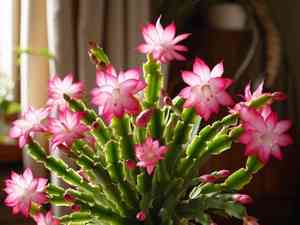
The False Christmas Cactus brings a distinctive aesthetic with its lively hues and interesting feel.
2
Selecting the appropriate placement and illumination levels is vital for the best development of your False Christmas Cactus.
3
Pair the False Christmas Cactus with other leafy greenery to improve the overall look of your planted space.
Appreciating the Aesthetic Qualities of False Christmas Cactus
Highlighting the distinctive form and dimensions of False Christmas Cactus
A prominent characteristic of False Christmas Cactus is its peculiar form and size. This plant typically develops flat, jointed stems that elegantly drape, producing an appealing outline that can serve as a central focus in any garden. Despite its relatively compact nature, False Christmas Cactus makes a considerable impact with its unique growth habit, offering a lush appearance without dominating your other plantings.
The changing hues of False Christmas Cactus throughout the year
False Christmas Cactus brings vibrant character to any garden, displaying a spectrum of color shifts as seasons progress. During its flowering period, expect blooms in shades from rosy pink to vivid red, delivering a burst of color when many other plants might be dormant. These colors not only grab attention but also blend well with other garden features.
How the texture of False Christmas Cactus enhances garden designs
The feel of False Christmas Cactus contributes a wonderful layer of depth and richness to garden compositions. Its stems possess a smooth yet robust quality, and the flowers present a soft, almost velvety touch that beautifully contrasts with stiffer plants nearby. This contrast can accentuate other elements of your landscape design, fostering a more dynamic and engaging visual experience.
Selecting the Ideal Spot for False Christmas Cactus in Your Garden
Considerations for optimal placement
Achieving the best placement for False Christmas Cactus in your garden requires weighing several aspects. Soil composition, drainage efficiency, and proximity to neighboring plants all factor into ensuring False Christmas Cactus flourishes. Guarantee that the soil is well-draining and rich in organic matter to promote healthy development. Avoid overly dense areas where air circulation might be restricted, which can hinder the plant from reaching its full potential.
Achieving a balance of sun and shade for False Christmas Cactus
False Christmas Cactus thrives in environments that provide an equilibrium of sun exposure and shade. While it needs bright light to prosper, direct, intense sunlight can be harmful. Ideally, position False Christmas Cactus in a spot where it receives filtered sunlight or partial shade, ensuring adequate light without the risk of sun scorch. This balance is especially crucial during the hotter summer months when the sun is at its peak.
Integrating False Christmas Cactus with other flora
To successfully incorporate False Christmas Cactus with other plants in your garden, consider both visual appeal and growth requirements. Pair False Christmas Cactus with plants that share similar needs for water and light to establish a unified and easy-to-maintain garden bed. Plants with contrasting textures or complementary colors can be strategically placed nearby to amplify the visual impact of False Christmas Cactus and create a layered, harmonious aesthetic.
Crafting Striking Plant Combinations with False Christmas Cactus
Pairing False Christmas Cactus with complementary foliage plants
Combine False Christmas Cactus with foliage plants featuring diverse textures and hues to forge a balanced and intriguing garden palette. For example, pairing False Christmas Cactus with the broad, darker leaves of a fern or the silvery foliage of a dusty miller can emphasize the distinct characteristics of each plant. This approach adds visual interest and ensures mutual enhancement among plants.
Design concepts for color harmony using False Christmas Cactus
For cohesive color schemes, consult the color wheel and select companion plants for False Christmas Cactus that exhibit complementary or analogous colors. The red or pink blossoms of False Christmas Cactus can be highlighted by the blues and purples of flowers like lavender or bluebells. This deliberate color planning can result in a more unified and aesthetically pleasing garden design.
Instances of themed garden designs featuring False Christmas Cactus
Incorporate False Christmas Cactus into themed garden designs for a captivating outcome. For instance, a tropical-themed garden can benefit from the vibrant colors and distinctive structure of False Christmas Cactus, alongside other tropical plants such as hibiscus and palms. Alternatively, in a Zen garden, False Christmas Cactus can introduce a splash of color amidst more subdued, minimalist elements, creating a tranquil yet visually stimulating space.
Maintenance Guidance for False Christmas Cactus in Landscaping
Seasonal care adjustments for False Christmas Cactus
Maintaining False Christmas Cactus requires year-round modifications to ensure its health and vibrancy. During spring and summer, prioritize hydration, watering the plant deeply but infrequently. In autumn and winter, decrease watering to prevent root rot and offer added frost protection. Seasonal fertilization with a balanced, slow-release formula can also aid the plant's year-long flourishing.
Managing the growth of False Christmas Cactus within a landscape setting
Controlling the growth of False Christmas Cactus involves regular trimming and pest vigilance. Prune after its blooming cycle to shape the plant and encourage new development. Keeping an eye out for common pests such as aphids or mealybugs and promptly treating them with suitable remedies is also vital. Consistent upkeep ensures False Christmas Cactus remains a healthy and appealing component of your landscape design.



